A warm, practical guide to the 60-30-10 color rule, plus room-by-room examples, easy palettes, and common mistakes to avoid.
Havitza Home
High-Low Living Room: Where to Splurge and Save
A smart, room-by-room guide to mixing investment pieces with budget finds in your living room, plus shopping priorities, lighting tips, curtain advice, and common mistakes to avoid.

Clara Jenkins
Clara Jenkins is a former theater set designer turned interior styling expert with over a decade of experience transforming everyday spaces into beautiful sanctuaries. Through her work at havitza.com, she shares practical styling tips, accessible furniture layouts, and inspiring color palettes to help anyone create a home they truly love.
Published October 17, 2026
Updated October 17, 2026
One of my favorite lessons from theater set design is that the audience can spot a “hero” from the back row. In a living room, your hero pieces work the same way. They anchor the scene, take the most wear, and quietly tell everyone what kind of home this is.
High-low decorating is simply choosing a few heroes worth investing in, then filling in the supporting cast with smart, affordable finds that still feel pulled together. Done right, it looks collected and personal, not “half pricey, half random.”
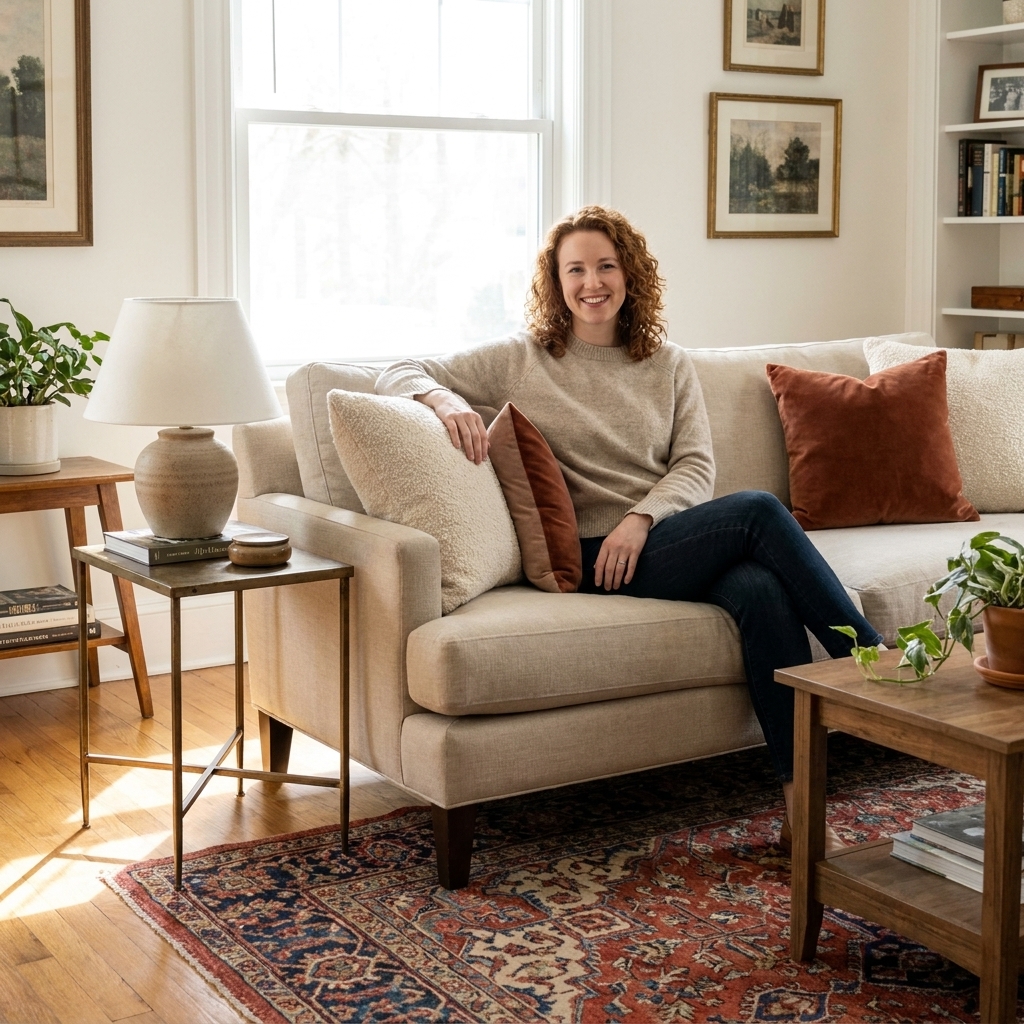
The quick rule: splurge on touch, save on trend
If you remember nothing else, remember this: splurge where your body goes and save where your eyes wander.
- Splurge on comfort, durability, and daily use: upholstery, rug underfoot, lighting that shapes how the room feels at night.
- Save on items you might swap as your taste evolves: accent tables, decor, trendy silhouettes, seasonal textiles.
And one more designer truth that helps budgets behave: a room does not need ten “nice” things. It needs two to four great decisions, repeated with consistency. Think: sofa plus rug plus two good lamps.
Where to splurge (your living room investment list)
1) Sofa (and the chair you always steal)
If your living room has a leading actor, it is the sofa. It carries the visual weight and takes the most physical wear. When a cheap sofa fails, it fails loudly: sagging seats, slouching arms, fabric pilling, and cushions that look tired even after fluffing.
What to prioritize when you splurge:
- Comfort first. Sit like you live. Feet up, leaning, reading posture, nap posture.
- Frame quality. Look for kiln-dried hardwood if possible, or a clearly stated sturdy frame material with a solid warranty.
- Suspension support. Sinuous springs or a well-built eight-way hand-tied system generally holds up better than thin webbing.
- Cushion construction. High-resilience foam wrapped in down or fiber gives support plus softness. (All-down is dreamy, but it can require more fluffing.)
- Performance fabric. Especially if you have kids, pets, or a red wine habit.
My tip: If you cannot splurge on a full sofa right now, invest in one high-quality lounge chair or loveseat as your “hero,” then keep a budget sofa in a simple, neutral slipcover until you upgrade.
2) Rug (the room’s stage floor)
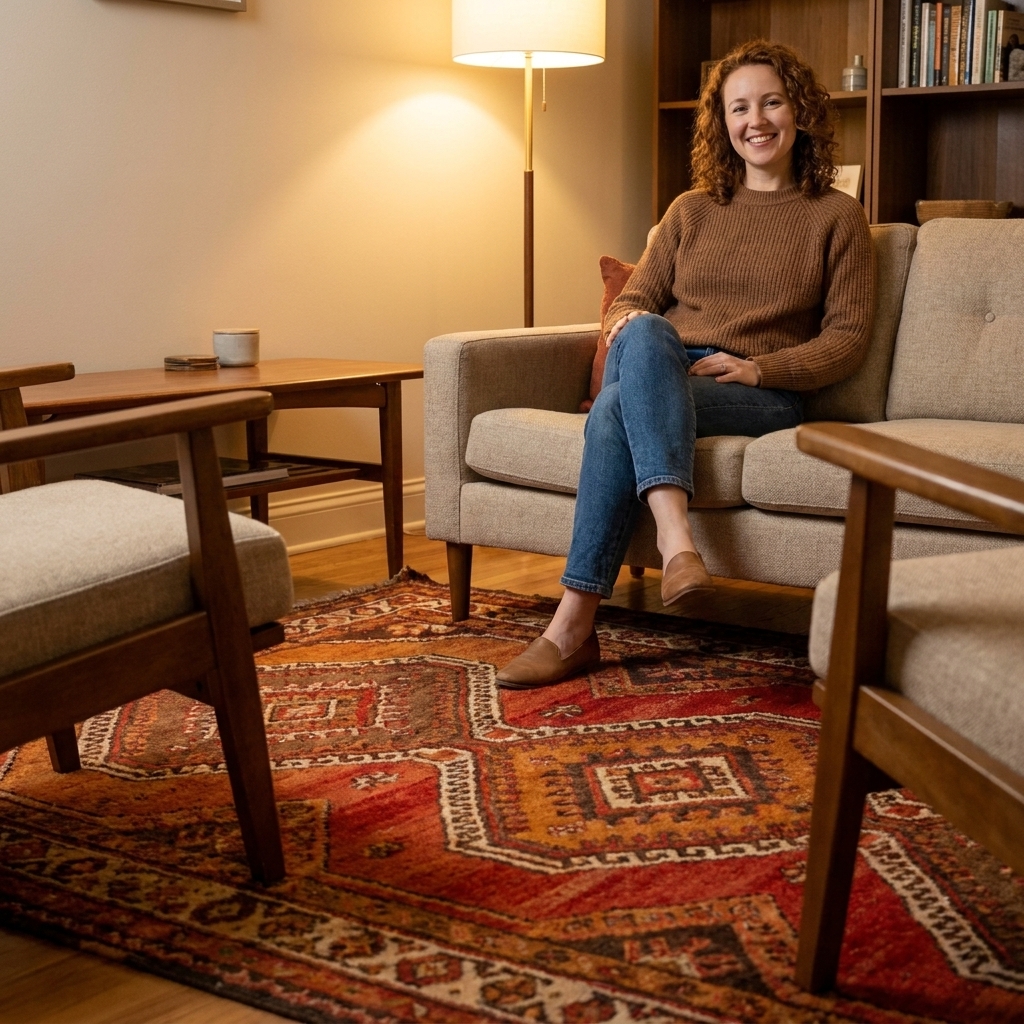
In theater, the floor treatment does half the storytelling. In a living room, the rug is the same. It sets tone, adds softness, improves acoustics, and visually groups your seating so it feels intentional instead of floating.
Splurge-worthy rug upgrades:
- Size. Bigger usually looks more expensive. Aim for the front legs of all seating on the rug.
- Material. Wool is naturally resilient and forgiving. It can shed at first, so expect a little vacuuming early on.
- Pattern that hides life. Vintage-inspired motifs or subtle texture can camouflage crumbs and everyday traffic.
Do not skip the rug pad. A good pad makes even a modest rug feel thicker, helps prevent slipping, and can extend the rug’s life.
3) Lighting (because overhead lighting is not a personality)
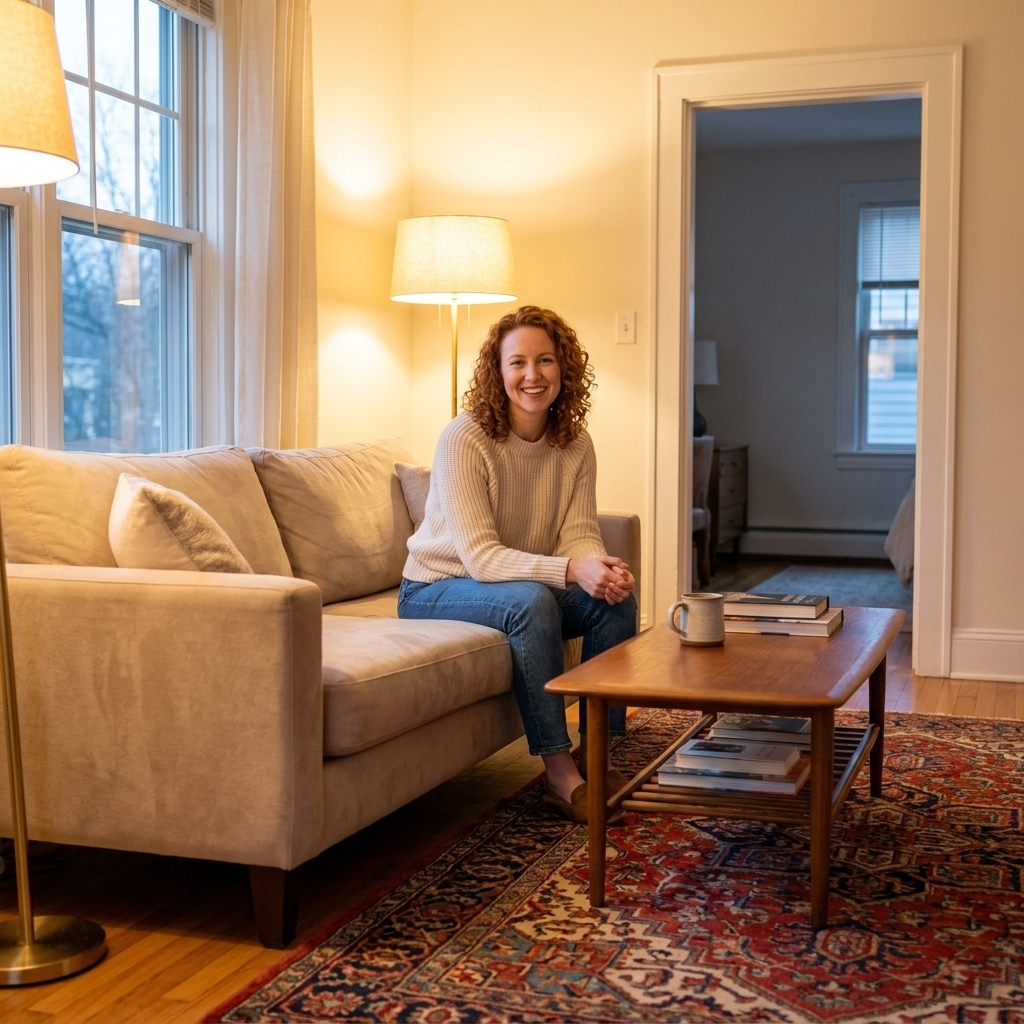
Lighting is where a room becomes a sanctuary. A single overhead fixture can make even a beautiful space feel like a waiting room. Investing in a few warm, layered light sources is one of the highest-impact upgrades you can make.
Splurge targets:
- A statement floor lamp with a shade you love and a base that feels stable.
- Quality table lamps that feel weighty and substantial.
- Dimmers when possible, even plug-in dimmers for lamps.
Bulb cheat code: Choose warm bulbs (around 2700K to 3000K) and keep color consistent across the room for a cohesive glow. If you can, aim for a high CRI (90+) so skin tones and paint colors look their best.
4) Coffee table (if you actually use it)
If your coffee table is a true workhorse, think: feet up, game nights, dinner on the couch, toddlers learning to cruise. In that case, it is worth investing in a durable surface and stable construction.
When to splurge: You want solid wood, a substantial vintage piece, or a table with excellent joinery that will not wobble.
When to save: You rarely use it, or you are in a phase of life where spills are inevitable and you need “wipeable and replaceable.”
Where to save (without it looking like you saved)
1) Side tables
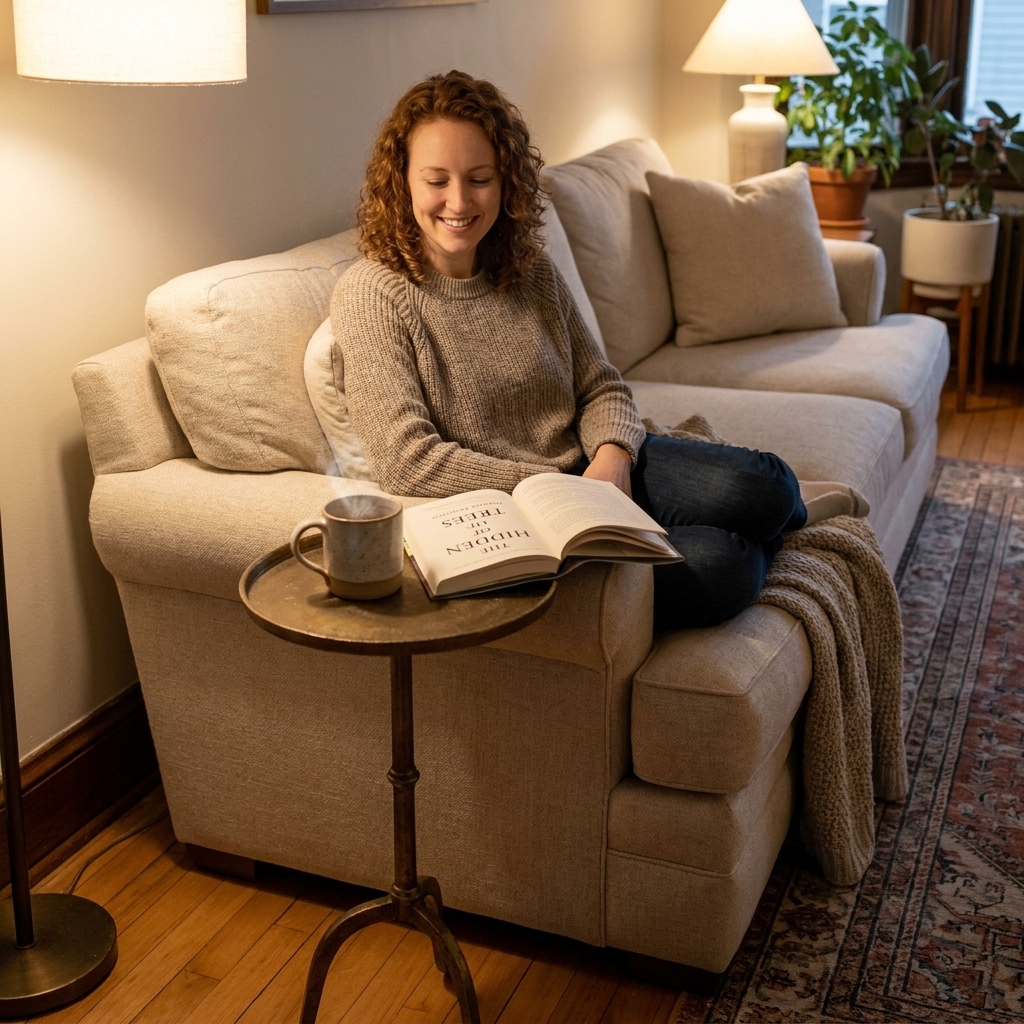
Side tables are an easy place to go budget-friendly because they read as accents, not foundations. The trick is to choose shapes and finishes that look intentional.
- Go inexpensive with clean silhouettes, especially in black, oak tones, or metal.
- Mix materials so it feels styled: one wood table, one metal, one small stone-look drink table.
- Prioritize function: stable enough for a drink, tall enough to reach from the sofa.
2) Media console and shelving (often great secondhand)
Unless you need a very specific built-in look, consoles and shelves can be smart budget finds. Secondhand pieces in real wood can often outperform flimsy new options at the same price.
What makes a budget console look expensive:
- Longer and lower proportions
- Simple hardware (or upgraded knobs)
- Doors that close cleanly and evenly
- Cable management that keeps visual clutter down
3) Throw pillows and blankets
This is my favorite “save” category because you can create a rich, layered look for very little money if you focus on texture.
- Choose texture over logos: boucle, linen-look, chunky knit, velvet.
- Use inserts that feel plush. A budget cover can look luxe with a fuller insert.
- Repeat a color twice. One color repeated in two textiles makes the room feel designed.
4) Art and decor
Art is personal, so I hesitate to tell anyone where to spend. But purely budget-wise, you can save a lot here while making the room feel more like you than any big-box print ever could.
- Frame favorite photos in consistent frames for a simple gallery wall
- Look for oversized pieces secondhand (bigger reads higher-end)
- Lean art on a console or shelf for a relaxed, collected feel
Curtains: high impact, flexible budget
Window treatments change the whole room, even when everything else stays the same. You can keep costs reasonable and still make it look tailored.
- Splurge on: proper length (close to the floor), sturdy hardware, and rings that glide easily.
- Save on: panels. Simple, solid panels can look expensive when they are long enough and hung high.
Quick rule: Hang the rod higher than you think and wider than the window so the glass feels larger and the room feels taller.
How to mix high and low so it looks cohesive
Pick one quiet through-line
When you are blending price points, cohesion comes from repetition. Choose one consistent element and repeat it across the room:
- Wood tone (warm oak, walnut, espresso)
- Metal finish (black, brass, chrome)
- Fabric temperature (warm creams, earthy neutrals, cool grays)
Use the 60-30-10 color rule
A simple palette makes budget pieces look more intentional.
- 60% main color (walls, sofa, rug background)
- 30% secondary (curtains, chairs, larger textiles)
- 10% accent (pillows, art, objects)
Balance visual weight, not price
A chunky thrifted wood table can visually stand up to an investment sofa. A delicate, tiny side table might look lost. When in doubt, match the scale.
Let one item be a little weird
Rooms that feel expensive often have one unexpected note. A vintage rug, a sculptural lamp, a slightly odd ceramic bowl. Quirk reads collected. Collected reads high-end.
Budget scenarios: what to do with what you have
If you are furnishing from scratch
- Buy first: sofa, rug size (even if the rug comes later, choose the size now), lighting plan
- Buy next: coffee table or ottoman, curtains, media console
- Buy last: side tables, decor, extra seating
If you already have a cheap sofa you cannot replace yet
Make it look intentional while you save:
- Add elevated pillows (covers can be budget, inserts should feel full)
- Place a great rug underneath (it distracts the eye in the best way)
- Upgrade lighting so the room feels warm and styled at night
- Add a tailored throw or slipcover in a solid neutral
If your living room is small
Small spaces do not need smaller style. They need fewer, better choices.
- Splurge on sofa comfort and keep the rest light and simple
- Use nesting tables instead of a big coffee table
- Choose one statement lamp and one small table lamp for layers
Common high-low mistakes (and quick fixes)
Mistake: Everything is the same budget basic
Fix: Add one grounded, substantial piece. A wool rug, a vintage coffee table, or a heavy ceramic lamp base can carry the whole room.
Mistake: Too many finishes fighting each other
Fix: Limit yourself to two metal finishes and two wood tones, max. Repetition is what reads “designed.”
Mistake: Cheap looks cheap because of scale
Fix: Go larger. Choose a bigger rug, taller curtains hung higher, and lamps that have real presence.
Mistake: The room feels flat at night
Fix: Add two lamps minimum and use warm bulbs. If you do one thing this week, do that.
A simple shopping checklist
Use this as your calm, organized plan when you are tempted to impulse-buy a cart full of almost-right.
- Splurge: sofa (or your main chair), rug (correct size), lighting you love
- Save: side tables, decor, pillows and throws, basic shelving
- Either: coffee table (depends on use), media console (secondhand can be a win), curtains (hardware matters most)
Design is not about owning the most expensive pieces. It is about choosing a few things that do the heavy lifting, then letting the rest support the story.
FAQ
How many splurge pieces should a living room have?
Usually two or three: the sofa, the rug, and lighting. If your sofa is already set, make the rug and lighting your upgrades and let everything else stay flexible.
Can a living room look high-end with a budget sofa?
Yes. Anchor it with the right rug size, add warm layered lighting, and keep your palette cohesive. A budget sofa looks far better when it is surrounded by calm, intentional choices.
Is it worth buying a cheap rug for now?
If it is the right size, yes. Size matters more than people expect. Choose a low-pile option that will lay flat, add a good rug pad, then upgrade to wool later when the budget allows.