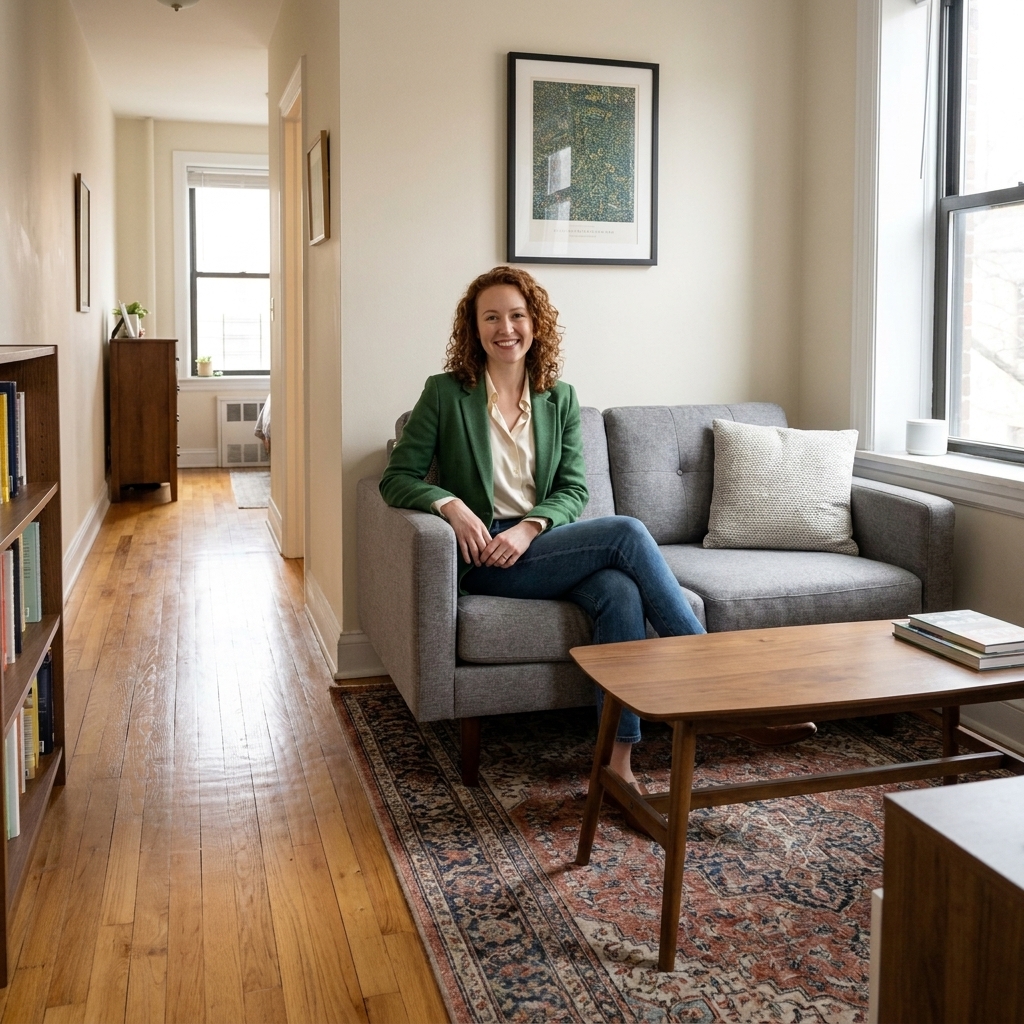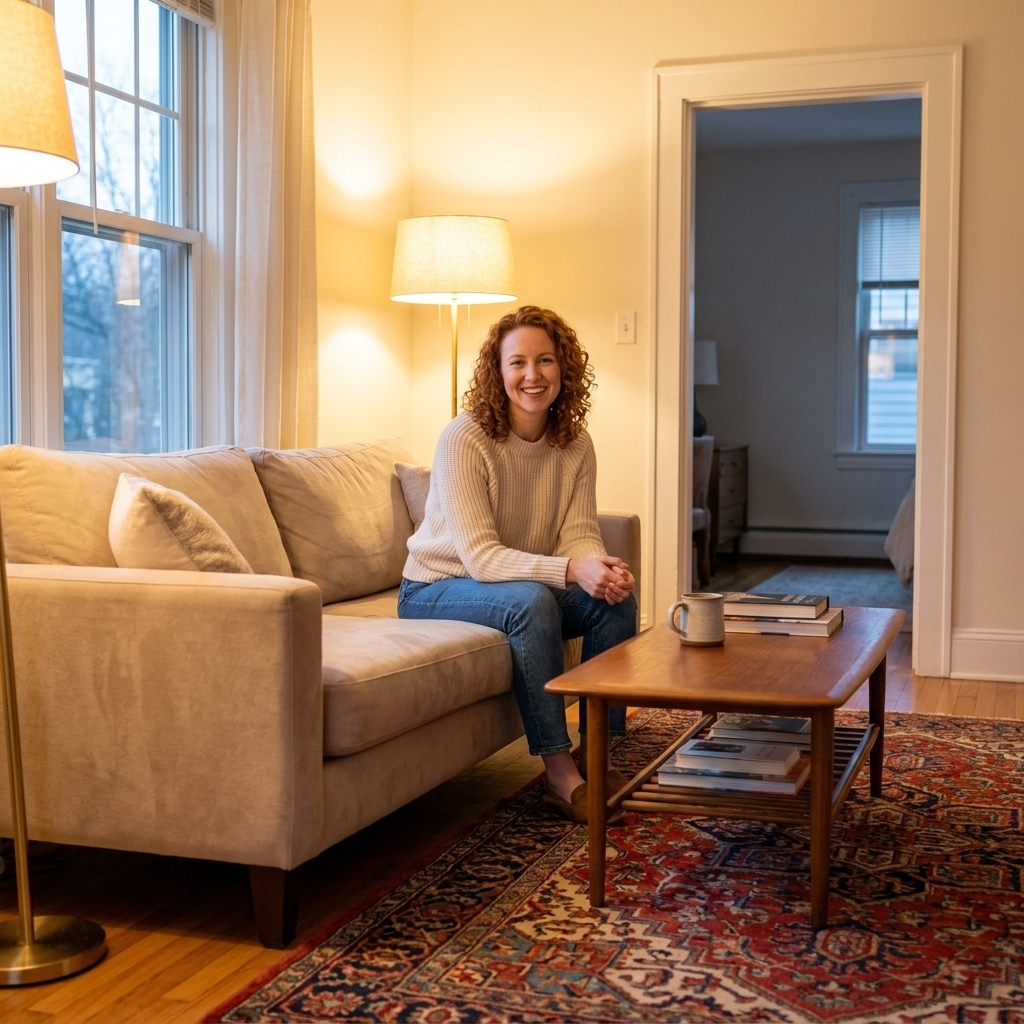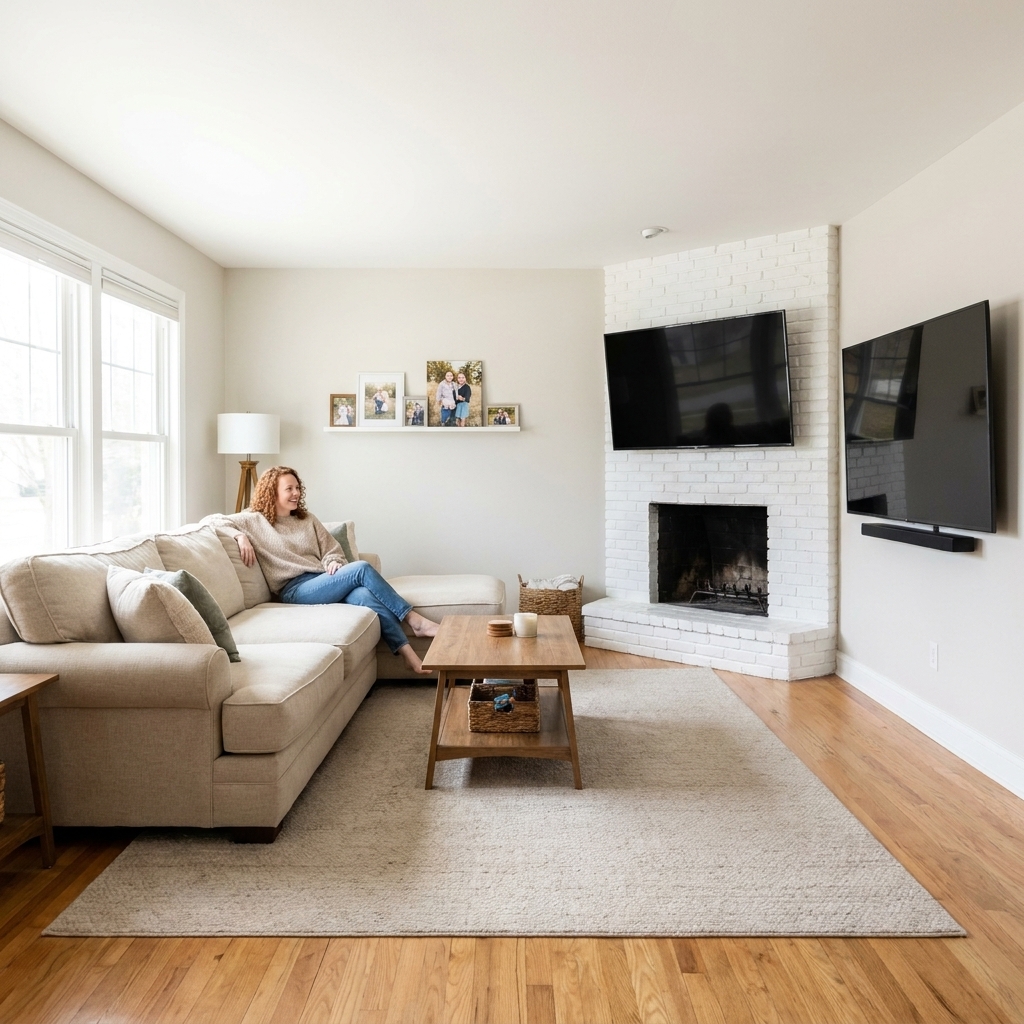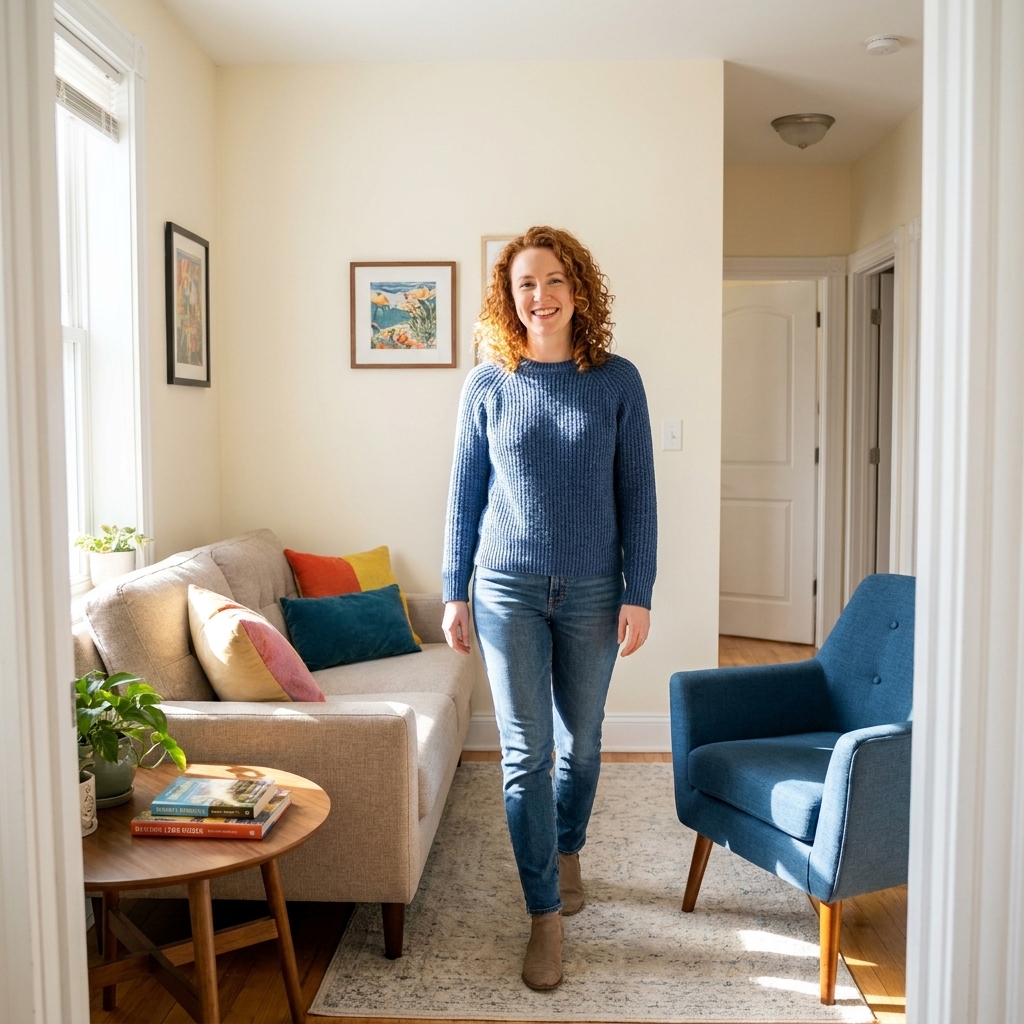
A step-by-step method for placing sofas, chairs, and tables in compact living rooms so you get clear walkways, cozy conversation zones, and a bigger-feeling ...
Havitza Home
Sectional vs. Sofa and Chairs
Torn between a sectional or a sofa with chairs? Compare comfort, layout flexibility, traffic flow, and entertaining to choose the right living room seating for your space and lifestyle.

Clara Jenkins
Clara Jenkins is a former theater set designer turned interior styling expert with over a decade of experience transforming everyday spaces into beautiful sanctuaries. Through her work at havitza.com, she shares practical styling tips, accessible furniture layouts, and inspiring color palettes to help anyone create a home they truly love.
Published October 17, 2026
Updated October 17, 2026
If you have ever stood in the middle of an empty living room and thought, “Do I commit to a sectional… or play it safer with a sofa and chairs?” you are not alone. I have watched this decision make confident people spiral faster than choosing paint. The good news: there is no universal “best.” There is only what supports your real life, your room’s shape, and how you want the space to feel at 7 p.m. on a Tuesday.
Let’s walk through the trade-offs like a set designer would: sightlines, entrances, traffic patterns, and where the “action” happens. Then we will land on a layout that makes your living room feel like a place you actually want to be.
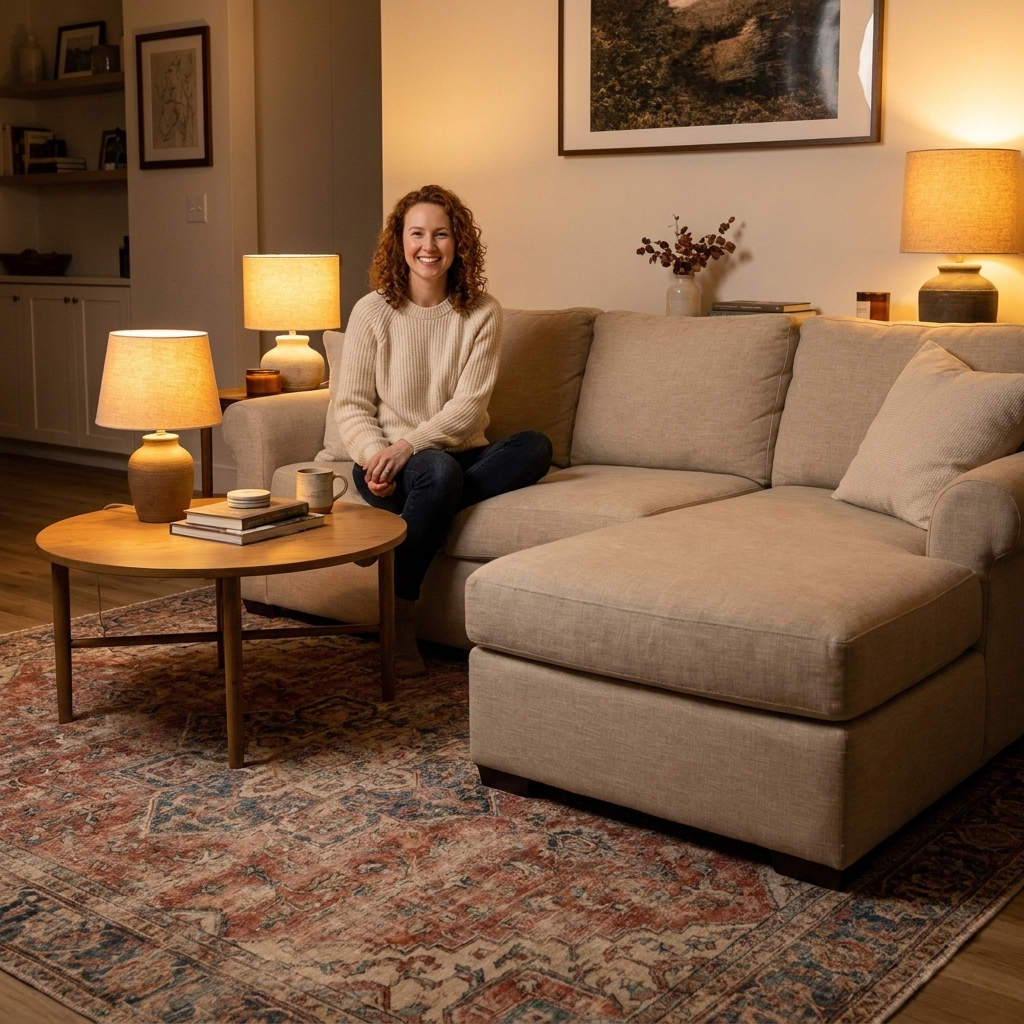
The quick comparison
Sectional
A sectional is one larger piece, usually in an L or U shape. It tends to create a strong “home base” for lounging and can maximize seating along two walls or around a coffee table.
Sofa and chairs
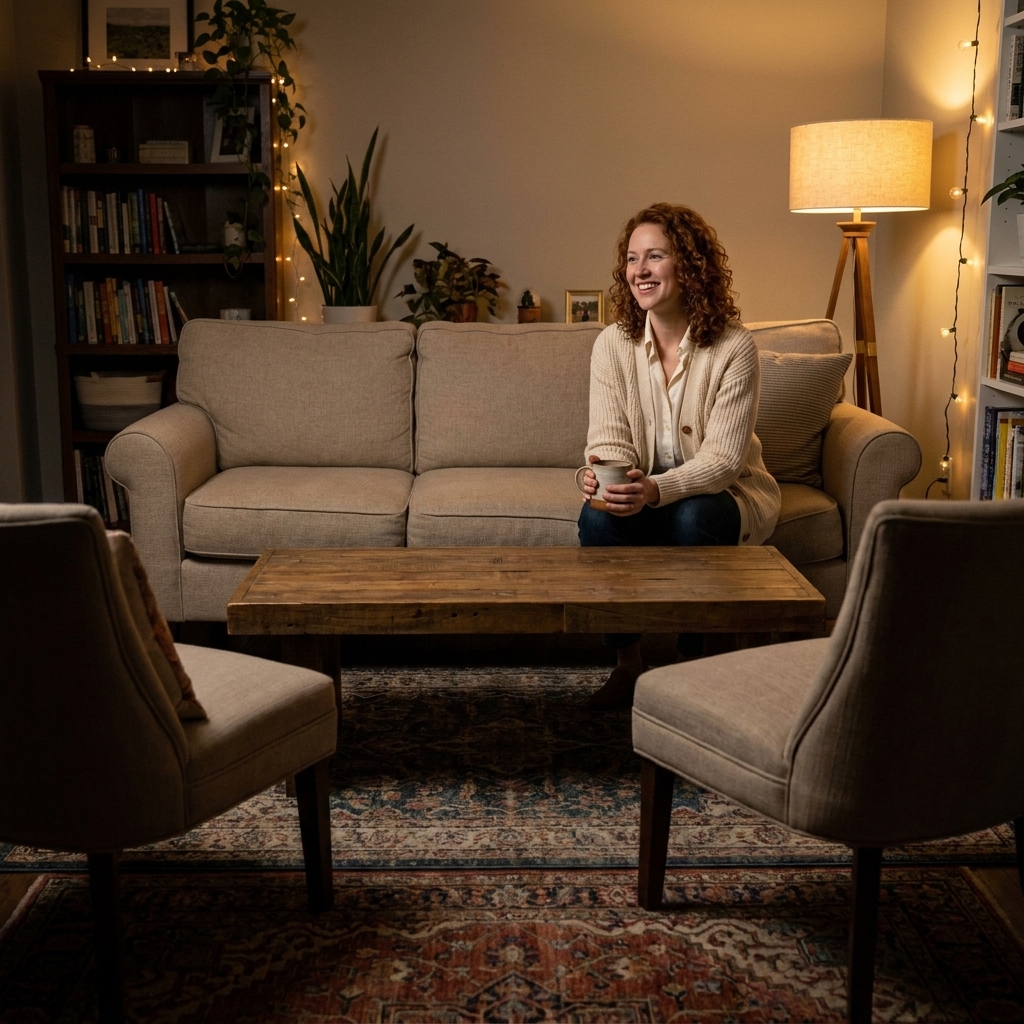
This is a modular seating “cast,” separate pieces you can arrange: a sofa plus one or two accent chairs (and sometimes an ottoman). It is typically more flexible and easier to adapt as your needs change.
How it feels day to day
Sectional vibes: cozy, anchored, lounge-forward
Sectionals are fantastic for the kind of living room where everyone naturally ends up. They read like an invitation: kick your shoes off, pull up a blanket, stay a while. If your household loves movie nights, Sunday naps, or sprawling out with pets, a sectional often wins on comfort per square inch.
- Best for: deep lounging, families, shared TV watching, “pile-on” seating.
- Feels like: a defined zone, a bit more casual, sometimes more “den-like.”
Sofa and chairs vibes: balanced, conversational, design-flexible
A sofa and chairs setup can feel more airy and intentional, especially in smaller rooms or spaces with multiple pathways. Because you are working with separate pieces, you can shape the conversation area instead of letting one big piece dictate it.
- Best for: conversation, flexibility, frequent rearranging, mixed-use living rooms.
- Feels like: open, curated, easy to evolve with your style.
Room shape and flow
Before we talk aesthetics, we have to talk movement. In theater, if you block actors poorly, the scene feels wrong even with gorgeous sets. Same with furniture: if you block the pathways, your living room will quietly irritate you every day.
When a sectional is the smart move
- Open concept spaces: A sectional can “draw the room” and create a living zone without walls.
- Big rectangle rooms: An L-shape helps fill the long side without forcing chairs to float awkwardly.
- You have a clear corner: If one corner naturally belongs to seating, a sectional makes that decision look intentional.
When a sofa and chairs layout works better
- Multiple doorways or walk-through living rooms: Separate pieces let you protect clear paths.
- Small rooms that need breathing room: A sofa with armless or leggy chairs can feel lighter than one bulky footprint.
- Awkward architecture: Radiators, bay windows, fireplaces off-center, and angled walls are easier to work around with smaller pieces.
My rule of thumb: if people will regularly walk through your living room to get somewhere else, prioritize flexible pieces that keep pathways obvious. A sectional can work, but only if it does not create a “furniture maze.”
Sectional details that matter
Not all sectionals behave the same. These are the variables that change the answer more than most people realize.
- Left-facing vs right-facing chaise: Choose based on how you enter the room and where you need the clear path. “Facing” is described from the perspective of someone standing in front of the sectional.
- Modular vs fixed: Modular sectionals can be reconfigured later, which is a lifesaver if you move or like to tweak your layout.
- Seat depth: Deep seats are dreamy for lounging, but can feel awkward for upright conversation (especially for shorter legs). Standard depth tends to be easier for everyday sit-and-stand life.
- Back height and arms: Low backs look sleek but can feel less supportive. Wide arms double as perch space, but eat up usable seat width.
Comfort and seating math
Sectional seating reality
A sectional can look like it seats eight, but the usable “comfortable” seats are usually fewer. Corners can be awkward, and chaise seats are great for one person but not always great for upright conversation.
- Pros: lots of lounge space, excellent for stretching out, often the best option for families who actually sit together.
- Cons: some seats are less social, and a big sectional can become the only place to sit, which limits layout options.
Sofa and chairs seating reality
A sofa plus two chairs is deceptively powerful. It gives you defined, “good” seats. You can usually give more people an armrest. And you can adjust spacing for conversation or TV viewing.
- Pros: more equitable seating, easier to add an ottoman or extra chair later, better for hosting where people mingle.
- Cons: less sprawl space, and you may need an extra pouf or bench if you want casual overflow seating.
If you host often: Consider how people actually gather. Do they watch the screen, or do they cluster with drinks and chat? Sectionals tend to favor the screen. Sofa and chairs tend to favor the circle.
TV and conversation
Most living rooms are doing double duty: TV and talking. Your seating choice can make that easier or harder.
Sectionals and TV
Sectionals make it simple to face one focal point. If your TV wall is the natural anchor, a sectional can feel seamless and family-friendly.
Sofa and chairs and conversation
Chairs can angle toward the sofa, toward the fireplace, or slightly toward the TV, which creates a room that does both. You can also pull a chair closer when friends come over and push it back when you want space.
Pro tip: If you want a conversation-friendly sectional setup, add at least one movable accent chair. That one piece can rescue the layout from feeling like a big viewing platform.
Small rooms
Small spaces are where the sectional debate gets spicy. Sometimes a sectional is brilliant. Sometimes it eats the room.
Choose a sectional if:
- You can get a compact model with a shallower depth.
- The sectional replaces the need for extra chairs.
- You can still keep a clear path (roughly 30 to 36 inches for many homes, with more space for main thoroughfares).
Choose a sofa and chairs if:
- You need to keep the room visually light (chairs with legs help).
- Your living room is also your entry path.
- You want the ability to tuck in one chair, swap sizes, or add a small swivel.
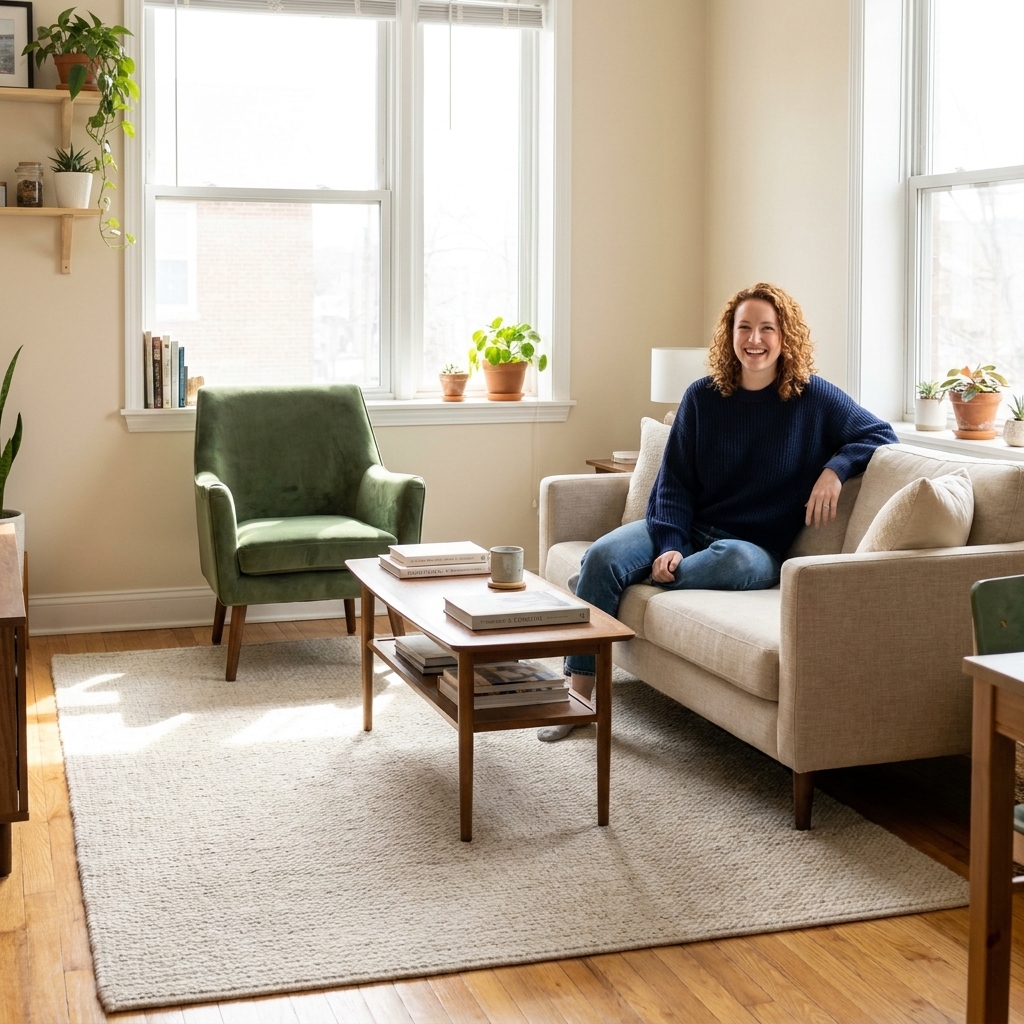
Entertaining
This is where people get surprised. A sectional feels like it should be best for guests because it is big. But entertaining is about circulation and clusters, not just seat count.
Sectional entertaining strengths
- Easy group seating for close friends and family.
- Great for casual gatherings where everyone is fine being a little closer.
- Built-in “lounge zone” for longer hangouts.
Sectional entertaining weaknesses
- People can feel trapped in corner seats.
- It can discourage mingling because it creates one dominant perch.
- Harder to pull pieces apart for a larger group.
Sofa and chairs entertaining strengths
- Encourages conversation with face-to-face seating.
- Chairs can shift, angle, and flex for different group sizes.
- Easy to add temporary seating like ottomans or dining chairs without it feeling weird.
My favorite “host” setup: a sofa, two chairs, and one ottoman that can slide anywhere. The ottoman is the understudy that saves the scene.
Budget and flexibility
Upfront cost
Sectionals are sometimes cost-effective per seat, but they are a bigger single purchase. Sofa and chairs can be built in phases, which is kinder to real budgets.
Moving and future-proofing
If you move often, separate pieces are generally easier to fit into the next space. Sectionals, especially with fixed configurations, can be picky about new room shapes. Some modular sectionals solve this, but not all.
- If you are renting or might move: sofa and chairs usually win.
- If you own and plan to stay: choose based on lifestyle and room flow, not fear.
Measuring checklist
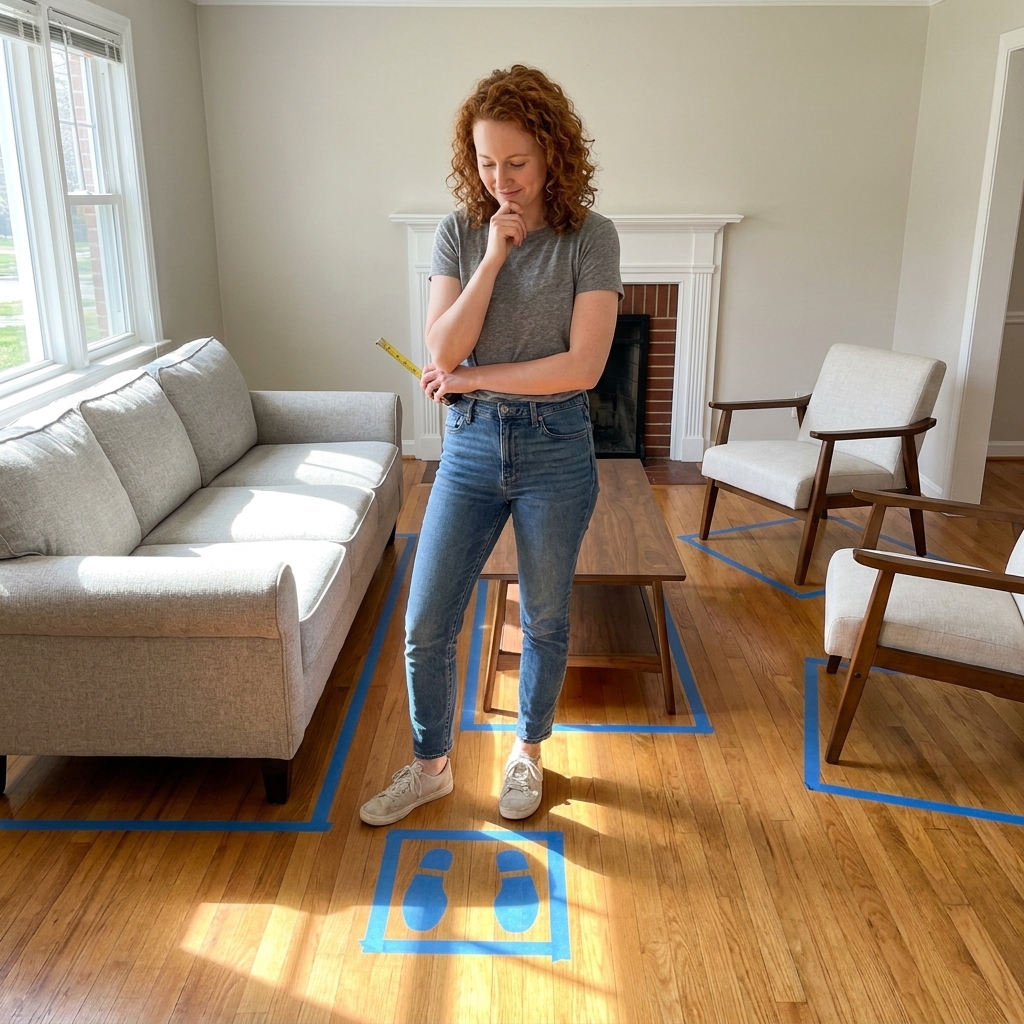
I am going to be lovingly bossy here: measure first. Tape it out if you can. A few minutes with painter’s tape saves months of annoyance.
- Room dimensions: length and width, plus any bump-outs.
- Pathways: aim for roughly 30 to 36 inches in many homes (more for main routes, and more still if you need stroller, walker, or wheelchair clearance).
- Coffee table distance: keep about 14 to 18 inches between seating and table edge, adjusting for mobility needs and little kids who treat sharp corners like a sport.
- Rug sizing: ideally front legs of all main seating pieces sit on the rug.
- TV distance: comfort varies, but do not cram a huge screen too close just because the sectional “fits.”
- Door swings and drawers: make sure nothing blocks entry doors, balcony doors, or media console drawers.
Make it look intentional
Make a sectional feel elevated
- Add contrast: pair a simple sectional with a vintage-style rug that brings pattern and warmth.
- Use layered lighting: a floor lamp plus a table lamp keeps the big sofa from feeling like a dark block.
- Break up the mass: mix tactile pillows, a nubby throw, and a light wood or stone coffee table.
Make a sofa and chairs setup feel cohesive
- Repeat materials: echo wood tone, metal finish, or fabric texture across pieces.
- Unify with a rug: one great rug can make mismatched pieces feel like a curated collection.
- Choose a lead actor: let one piece shine (a statement chair or a gorgeous sofa color) and support it with calmer companions.
And yes, I will say it: warm lighting fixes a multitude of layout sins. If your room feels “off,” try changing bulbs before changing furniture.
Copy-this layouts
Option A: 10 by 12 feet, one main walkway
- Sofa and chairs: a 72 to 84 inch sofa on the longest wall, two compact chairs opposite (or one chair plus a small swivel), coffee table centered, ottoman that can float.
- Sectional version: a small L sectional tucked into the back corner, chaise on the side that does not interrupt the entry path, one petite accent chair to keep conversation from becoming a straight line.
Option B: open concept with two paths
- Sectional: float the sectional with its back to the dining or kitchen zone to define the living area, keep one side open as the main lane, add a console table behind if you need a “finished” back.
- Sofa and chairs: float the sofa to anchor the zone, place two swivels or accent chairs that can pivot between TV and conversation, keep both paths obvious and unobstructed.
Which should you choose?
Pick a sectional if you:
- Watch TV as a household activity.
- Prioritize lounging and stretching out.
- Have an open concept space that needs a strong anchor.
- Do not mind a more fixed layout for a few years (or you are buying modular).
Pick a sofa and chairs if you:
- Want flexibility for entertaining and conversation.
- Have a smaller room or lots of walk-through traffic.
- Move often or like to refresh your layout seasonally.
- Prefer a balanced, airy look with clear pathways.
If your living room has to do three jobs, choose the seating that can change roles. If your living room’s job is comfort, choose the seating that makes comfort effortless.
FAQ
Is a sectional always better for small spaces?
No. A compact sectional can be perfect in a small room if it replaces extra chairs and still preserves a clear path. But in many small living rooms, a sofa and one or two lighter chairs keeps the space from feeling crowded.
Can I mix a sectional with chairs?
Absolutely, and I often recommend it. One accent chair (or two swivels if space allows) adds flexibility and improves conversation flow without giving up sectional comfort.
What if my room is long and narrow?
In long, narrow rooms, a sofa and chairs often makes traffic flow easier. If you prefer a sectional, look for a slimmer profile and consider an L shape that does not block the natural walkway from one end of the room to the other.
What is the biggest mistake people make with sectionals?
Buying the biggest one that technically fits. Your room also needs negative space: pathways, side tables, and breathing room around the coffee table. “Fits” is not the same as “functions.”