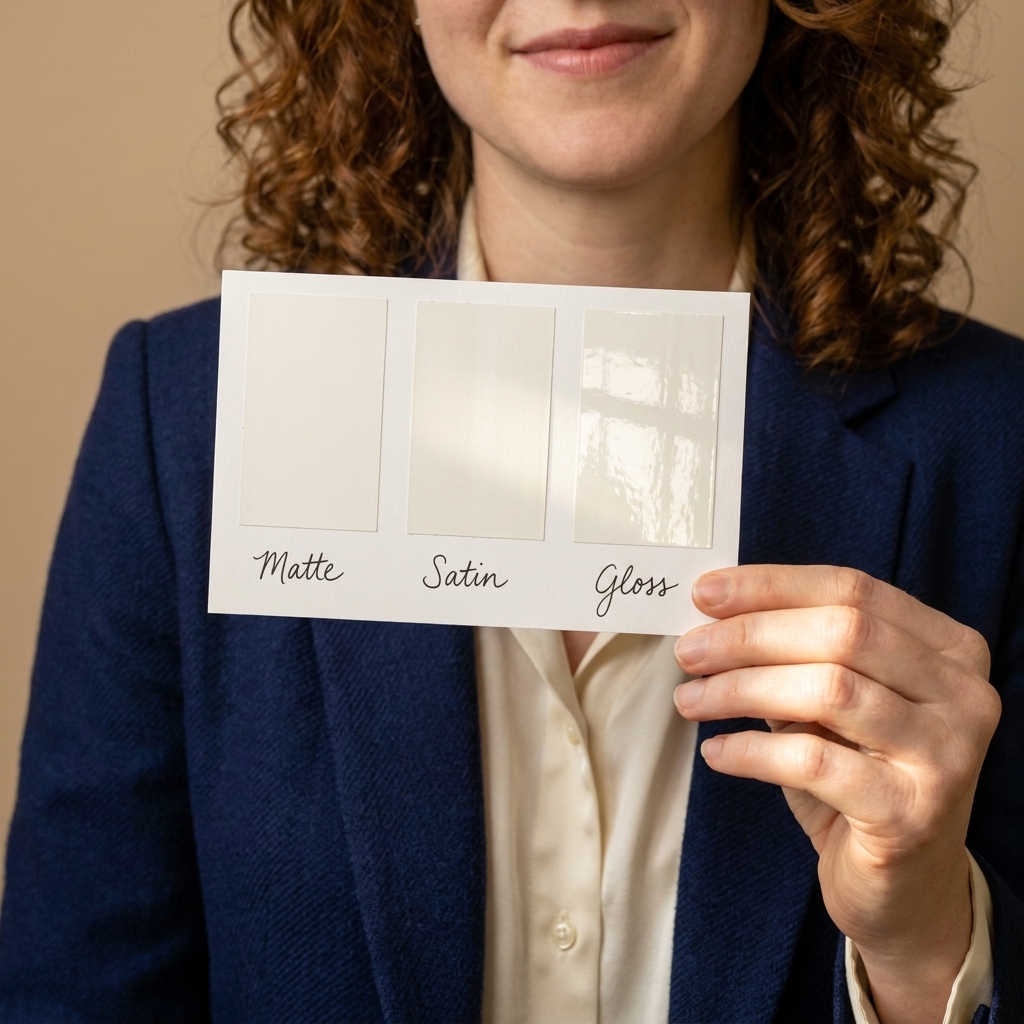
A room-by-room guide to paint sheen: what each finish looks like, how it wears, and where to use matte, eggshell, satin, and gloss for walls, trim, and ceili...
Havitza Home
Should You Paint Your Ceiling?
Thinking about painting the “fifth wall”? Learn the pros and cons, plus ceiling color ideas and practical tips for using light, dark, or monochromatic paint to reshape a room.

Clara Jenkins
Clara Jenkins is a former theater set designer turned interior styling expert with over a decade of experience transforming everyday spaces into beautiful sanctuaries. Through her work at havitza.com, she shares practical styling tips, accessible furniture layouts, and inspiring color palettes to help anyone create a home they truly love.
Published October 17, 2026
Updated October 17, 2026
Ceilings are easy to overlook, even though they do a quiet amount of work in how a room feels. In theater, we treated the overhead plane like part of the story. It could compress a scene into intimacy or open it into airiness with a single color shift and a lighting cue. In real homes, we do not have stage lights on dimmer boards, but we do have paint, and it is powerful.
So, should you paint your ceiling? Sometimes yes, absolutely. Sometimes no, and the best design decision is leaving it alone. Let’s walk through what ceiling color actually changes, the pros and cons, and a handful of color ideas that feel doable even if painting above your head sounds like a whole weekend of regret.

What it changes
Think of your ceiling as the room’s light reflector and visual boundary. Changing its color affects:
- Perceived ceiling height: Lighter ceilings tend to feel higher. Darker ceilings can feel lower, but also more intimate and grounded.
- Brightness: A bright white ceiling bounces light. A deep color absorbs it, which can be gorgeous if you compensate with layered lighting.
- Room shape: Painting the ceiling the same color as the walls can blur edges and make a choppy room feel smoother.
- Where your eye rests: A ceiling with color pulls attention upward. Great for architecture you want to feature, less great if you are trying to hide popcorn texture.
Reasons to paint
It adds intention
A ceiling color reads as a finished choice, like hemming a pair of pants so they hang perfectly. Even subtle shifts, like a warm white instead of a cool white, can make a room feel more considered.
It can fix proportions
If your room feels too tall and echo-y, a slightly deeper ceiling color visually lowers it. If your room is small and boxy, color-drenching walls and ceiling together can soften the corners and make the space feel more like a cocoon than a cube.
It is a smaller commitment
A ceiling is often less surface area than your walls in many rooms, especially in a small bedroom, entry, or bathroom. If you crave color but fear commitment, this can be the sweet spot.
It works with warm light
I am forever chasing that soft, golden glow. A ceiling in a creamy tone, dusty color, or moody hue can make lamplight feel like it belongs there, instead of fighting the room.
Reasons to skip it
It highlights imperfections
Popcorn ceilings, heavy patches, and uneven drywall can look more pronounced with saturated color, especially in raking light from windows. A flatter sheen helps, but texture is texture.
It can dim a dim room
If you already struggle for daylight, a dark ceiling may pull the brightness down. It is not a deal-breaker, but you will want a plan for lighting.
It is harder work
Painting overhead is tiring and drippy. If you are already stretched thin, it can be the kindest design decision to skip it for now.
It can complicate updates
Neutral walls are easier to repaint. A color ceiling can mean extra cutting-in later if you switch wall colors, add crown molding, or change your trim scheme.
Quick decision guide
- Paint it if: you want more coziness, your room feels too tall, you have nice crown molding or beams, or you want a design moment without changing furniture.
- Skip it if: the ceiling is heavily textured, you are selling soon and want ultra-broad appeal, or the room is already short and dim with minimal lighting options.
- Compromise if: you want a change but are nervous. Try a tinted white, a pale wash of color, or paint just a tray ceiling inset.
Ceiling color ideas
1) Tinted white
If you want your room to feel softer and more elevated without looking like you “painted the ceiling,” go for a warm tinted white. This is especially lovely with vintage rugs, creamy upholstery, and brass or aged finishes.
- Best for: living rooms, open-plan spaces, hallways
- Look for: warm undertones (cream, subtle beige, gentle greige) rather than icy blue-white
- Pro tip: Use the same color on ceiling and trim, but adjust sheen. Ceiling in flat, trim in satin.
2) Pale sky tones
A whisper of blue overhead can feel like daylight even after sunset. It is a traditional porch-ceiling move in parts of the U.S., and it can work indoors too when you keep it muted.
- Best for: bedrooms, nurseries, bathrooms
- Pair with: white or cream walls, natural textures (linen, rattan, light oak)
- Avoid: very bright blues in low ceilings unless you want playful energy
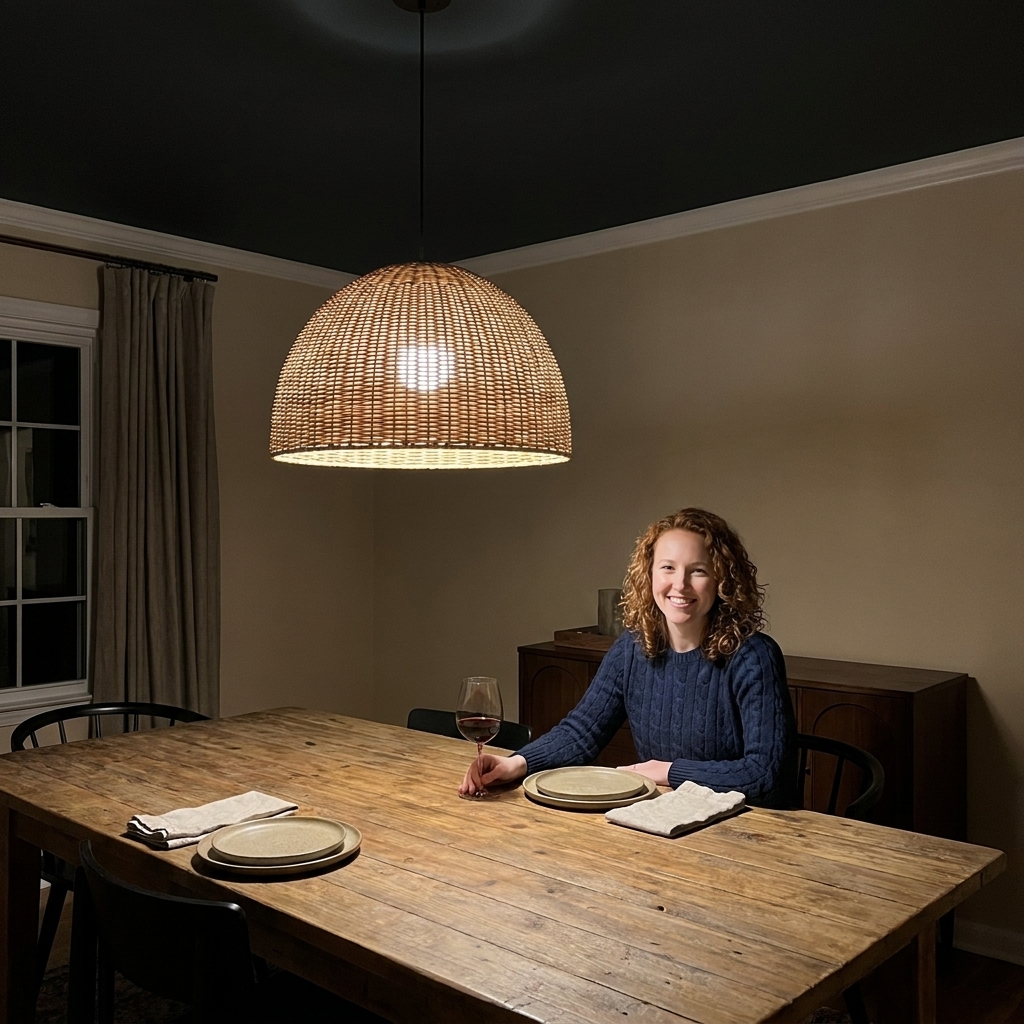
3) Dark and moody
A deep ceiling can feel wildly sophisticated, like putting on a velvet blazer. It is dramatic, yes, but also calming when done with intention.
- Best for: dining rooms, dens, media rooms, small powder rooms
- Try: charcoal, inky navy, deep olive, chocolate brown
- Lighting note: Plan for layers. An overhead fixture plus at least two additional light sources, like lamps or sconces, so the room still glows.
4) Color-drenching
Painting walls and ceiling the same color is a quiet power move. It reduces visual breaks, which can make a small room feel more expansive and a busy room feel more restful.
- Best for: bedrooms, offices, awkward rooms with lots of doors
- Try: dusty rose, warm taupe, sage, muted clay
- Design trick: Keep trim the same color too for a seamless effect, or paint trim one shade lighter for subtle definition.
5) Soft contrast
If you want the ceiling to feel intentional but not shouty, go slightly darker than the walls. This “cap” can make a tall room feel more balanced.
- Best for: rooms with higher ceilings, older homes with charming but irregular walls
- Works well with: warm neutrals and earth tones
6) High-gloss
This is the fancy dress option. A glossy ceiling reflects light and can look stunning in a dining room or formal entry, but it will highlight every flaw. Surface prep matters here more than anywhere.
- Best for: smooth ceilings only
- Best colors: deep jewel tones, black, or a rich neutral
- Reality check: Expect more prep time and more visible roller marks if you rush.
How to choose a color
Start with fixed elements
Look at what you are not changing soon: flooring, large upholstery, built-ins, and your biggest rug. Ceiling color should harmonize with these, not compete.
Check bulb temperature
Warm bulbs make warm ceilings look creamy and inviting. Cool bulbs can make warm ceilings look dull or slightly yellow. If you are planning a ceiling color, I tend to prefer warm lighting in living spaces (roughly 2700K to 3000K) for a cozy feel. That said, many 3000K LEDs read more neutral depending on the fixture and finishes, so test a bulb before you commit.
Decide what you want
- Want it to feel taller? Keep the ceiling light, or color-drench in a light tone.
- Want it to feel calmer? Consider monochromatic paint or a muted ceiling color that echoes your textiles.
- Want it to feel more intimate? Go darker overhead and plan for a few points of light at eye level.
Sample it smart
Instead of painting a patch on the ceiling, paint a poster board and tape it up. Watch it morning, afternoon, and night. Ceilings read different because light hits them differently than walls.
Paint and prep basics
Choose the right paint
- Ceilings: Ceiling-specific paints are a thing. They tend to be flatter and formulated to reduce splatter, which is very welcome when you are working overhead.
- Kitchens and baths: Use a paint rated for humidity. Many brands offer mildew-resistant formulas. In bathrooms, a bath-rated matte or soft satin can be easier to clean while still looking refined.
- Stain-prone areas: If you have water stains, smoke staining, or tannin bleed, use a stain-blocking primer first. Otherwise, the mark can ghost right back through your fresh coat.
Do the unglamorous prep
- Clean: Dust and cobwebs cause adhesion issues and rough texture. A quick vacuum with a brush attachment goes a long way.
- Patch and sand: Especially if you are going darker or glossier, because those finishes love to spotlight every bump.
- Prime when needed: New drywall, repaired areas, stains, and dramatic color changes usually want primer so you avoid flashing and uneven sheen.
Painting tips
Pick the right sheen
- Flat or matte: Most forgiving, best for hiding minor imperfections.
- Eggshell: Slightly more wipeable but can show texture more.
- Satin or gloss: Statement finish, shows flaws, requires prep.
Use the right tools
- Roller nap: 3/8-inch for smooth ceilings, 1/2-inch for lightly textured.
- Extension pole: Strongly recommended. Save your shoulders.
- Good painter’s tape: Especially if you are keeping the walls a different color.
Cut in, then roll
Work in manageable squares and keep a wet edge so you do not get lap marks. Ceiling paint dries faster than you think.
Roll with the light
Roll the final pass in the direction of the main light source, usually toward the window. It helps reduce visible roller lines.
Mind the edge line
If you have crown molding, decide whether you want the ceiling color to stop cleanly at the crown or wrap onto it. Either can look right, but mixing undertones between ceiling and crown can look accidental fast.
If you do not have crown, a crisp cut line at the wall matters. If freehand cutting-in makes you tense, tape the wall line and remove the tape while the paint is still slightly wet for the cleanest result.
Protect your neck and your ankles
Use a stable ladder, keep your feet centered, and reposition often instead of reaching. Take breaks. Overhead painting can sneak up on your neck and shoulders.
Watch for the halo effect
If your ceiling is currently bright white and your walls are not, switching to a colored ceiling can make your old white trim or crown molding feel harsh. Sometimes the fix is simply repainting trim to a softer white, or bringing trim into the same family as the ceiling.

Room-by-room ideas
Living room
If your living room already has pattern and texture, a tinted white ceiling is often the most elegant choice. If it feels too tall or echo-y, try a ceiling one shade deeper than the walls for instant coziness.
Bedroom
Bedrooms love softness. Color-drenching in a gentle neutral, dusty color, or muted green can make a bedroom feel like exhaling. Pair with warm bedside lamps and tactile bedding, think linen, cotton, or a nubby wool throw.
Kitchen
Kitchens can handle a little contrast because they tend to have harder surfaces. A ceiling that matches the wall color can reduce visual clutter if you have lots of cabinets, tile, and stainless steel competing for attention.
Bathroom
Small bathrooms are the perfect place to be brave. A moody ceiling can make a basic builder bathroom feel boutique. Just be sure your ventilation is solid and use a humidity-rated, mildew-resistant paint.
Hallway and entry
These are transition spaces, which means they are ideal for a ceiling color that sets a tone. A soft clay, warm greige, or muted blue overhead can make an entry feel like a welcome instead of a pass-through.
Mistakes to avoid
- Choosing color without considering lighting: A gorgeous ceiling color can fall flat under cool bulbs or insufficient lamps.
- Ignoring undertones: Match your ceiling undertone to your walls and major textiles. Warm with warm, cool with cool, or intentionally balanced.
- Going dark with no plan: Dark ceilings are stunning, but they need multiple light sources to feel rich, not gloomy.
- Using high sheen on a flawed ceiling: Gloss is unforgiving. Save it for ceilings that are truly smooth.
- Forgetting the trim relationship: Bright white trim with a colored ceiling can look crisp, but it can also look accidental if undertones clash.
FAQ
Will a dark ceiling make a room feel smaller?
It can, but “smaller” is not always bad. Dark ceilings tend to make a room feel more intimate and enveloping. If you want cozy, it is a win. If you want airy, keep the ceiling lighter or use a soft tinted white.
Should ceilings always be painted flat white?
No. Flat white is common because it is forgiving and bright, but it is not a rule. A ceiling that matches your wall color, or even a subtly warmer white, can look more tailored and less builder-basic.
Can I paint the ceiling the same color as the walls?
Yes, and it is one of my favorite moves for calming a space. Use a flat or matte finish on the ceiling. You can keep walls in matte or eggshell for a tiny bit more durability.
What about low ceilings?
Low ceilings usually look best in lighter tones, but monochromatic color-drenching in a light to mid-tone can also work beautifully because it removes harsh lines. If you go dark, do it intentionally and balance with lighting and lighter furnishings.
An easy starting point
If you are tempted but nervous, do this: choose your wall color, then ask your paint store to mix the same color at about half the tint strength, or point you to one or two steps lighter on the same color strip. You get the softness and cohesion of a colored ceiling without the commitment of full saturation.
The “fifth wall” does not have to be a dramatic statement to be worth painting. Sometimes it is just the gentle finish that makes the whole room feel like it finally belongs to you.