Explore 10 curated living room palettes, from warm whites and greige to moody greens and terracotta, with paint shade picks, lighting tips, and easy furnitur...
Havitza Home
Matte vs. Satin vs. Gloss Paint Finishes
Choosing paint sheen is half the magic. Learn how matte, eggshell, satin, and gloss compare for durability and light reflection, plus the best finish for every room, wall, trim, and ceiling.

Clara Jenkins
Clara Jenkins is a former theater set designer turned interior styling expert with over a decade of experience transforming everyday spaces into beautiful sanctuaries. Through her work at havitza.com, she shares practical styling tips, accessible furniture layouts, and inspiring color palettes to help anyone create a home they truly love.
Published October 17, 2026
Updated October 17, 2026
Paint color gets all the attention, but finish is what you feel every day. It decides whether your walls look velvety or shiny, whether scuffs wipe away easily, and whether that slightly wavy drywall disappears into the background or gets spotlighted at 3 p.m. when the sun hits just right.
I am Clara, and in my theater days, sheen was one of our sneakiest tools. We used flatter paint to swallow light and push scenery into the “background,” and shinier paint when we wanted a surface to read crisp and intentional from the back row. Your home works the same way. The right sheen makes a room calmer, brighter, easier to live in, or all three.
What sheen means
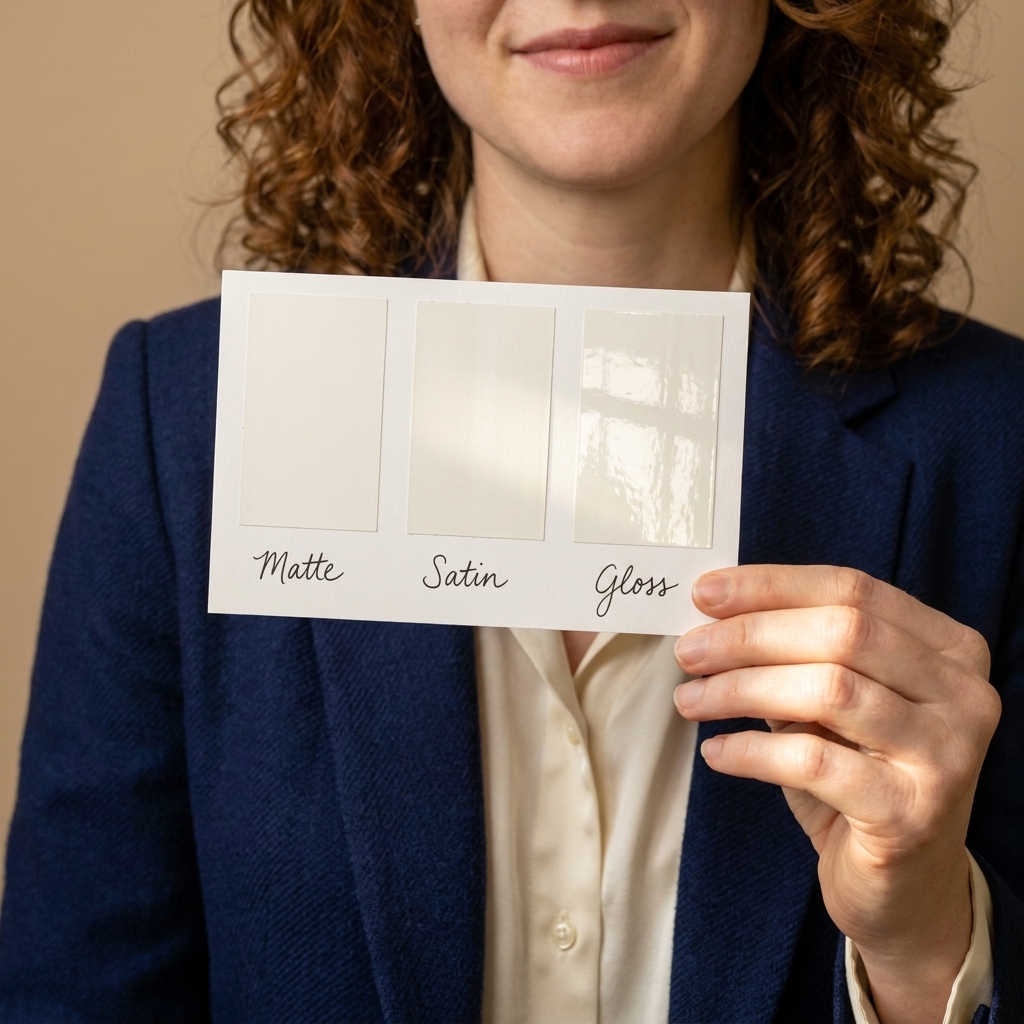
Sheen is the amount of light a painted surface reflects. More sheen is more reflective and often more wipeable. Less sheen diffuses light and often hides texture better.
- Low sheen (matte, flat): soft, velvety, forgiving
- Medium sheen (eggshell, satin): gentle glow, practical
- High sheen (semi-gloss, gloss/high-gloss): crisp, reflective, durable
Every brand labels slightly differently. “Satin” in one line can look like “eggshell” in another. If you want to get nerdy-precise, some manufacturers publish sheen numbers (gloss units). Most of us just need to look at a sample in the actual room at different times of day.
Matte paint
How it looks
Matte reads like a soft fabric. It absorbs light instead of bouncing it around, which makes colors look richer and walls look smoother.
Best for
- Bedrooms and primary bedrooms
- Living rooms and dining rooms where you want a relaxed mood
- Ceilings, especially if you have any patching or subtle texture
- Low-traffic walls that do not get frequent fingerprints
Pros
- Hides drywall seams, dings, and roller texture beautifully
- Makes bold or moody colors look deep and sophisticated
- Visually quiet, which helps a space feel restful
Trade-offs
- Can show burnishing (shiny rub marks) in high-touch areas
- Harder to scrub aggressively without leaving a mark
- Not ideal near sinks, splash zones, or busy hallways unless you choose a higher-performance washable matte line
Clara tip: If you love the matte look but have kids or pets, ask for a premium washable matte. It keeps the velvet vibe with better stain resistance, which is basically the dream.
Eggshell paint
How it looks
Eggshell sits between matte and satin. Think: a soft, low luster that looks a little more polished than matte, without the glow you see in satin under bright light.
Best for
- Living rooms and hallways that get moderate traffic
- Home offices where you want a smoother look but not a shiny one
- Walls with minor imperfections you still want to downplay
Why choose it
If satin feels a touch too reflective in your space, eggshell is the easiest compromise. It is also a popular “whole-house walls” finish in many paint lines.
Satin paint
How it looks
Satin has a soft glow. Not shiny, not flat. It reflects a little light, so spaces can feel brighter and cleaner without looking glossy.
Best for
- Hallways, stairways, and mudroom-adjacent walls
- Family rooms and playrooms
- Bathrooms (on walls, away from constant direct splash)
- Kitchens (on walls, paired with good ventilation and a washable paint line)
- Trim in many homes if you prefer a more subtle look than semi-gloss
Pros
- More wipeable than matte in many paint lines
- Handles everyday smudges better
- Looks polished without feeling overly shiny
Trade-offs
- Will highlight wall imperfections more than matte
- Touch-ups can flash if you do not feather the edges or if the wall has aged
Clara tip: Satin is my default for real-life homes. If you are stuck between finishes, satin is usually the safest choice for walls that see hands, bags, and the occasional flying toy.
Gloss and semi-gloss
How it looks
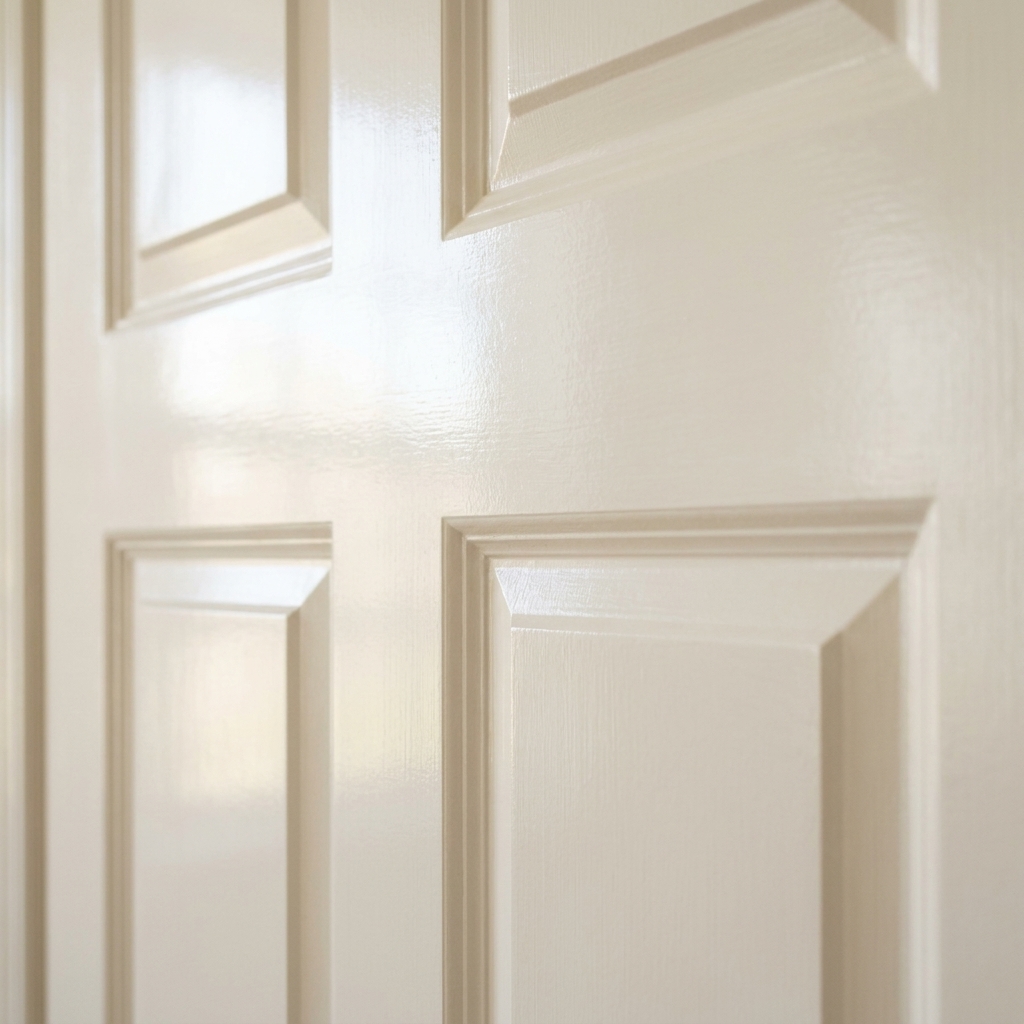
High-sheen finishes reflect light clearly. They look sharp and intentional, and they can make details like millwork and doors pop. They also reveal every bump, sanding scratch, and brush mark if prep or application is rushed.
Best for
- Baseboards, door casings, window trim
- Interior doors
- Cabinetry and built-ins
- Bathrooms on trim and doors
- Accent moments like a glossy front door or a lacquer-like powder room ceiling if you love drama
Pros
- Typically the easiest to clean
- Great for high-touch surfaces
- Enhances architectural detail
Trade-offs
- Surface prep needs to be excellent
- Shows dents, sanding scratches, and uneven drywall
- Can feel too bright if used on large wall expanses
Semi-gloss vs. gloss: Semi-gloss is a classic trim finish because it is durable but a little more forgiving. Full gloss and high-gloss are the statement-makers. Gorgeous when done well, but they demand smooth surfaces and patient application.

Quick cheat sheet
Walls
- Matte: best for low-traffic rooms, imperfect walls, and moody colors
- Eggshell: a balanced choice for moderate traffic and a softer look than satin
- Satin: best for most hallways, family spaces, and kid-friendly rooms
- Semi-gloss or gloss: rarely for full walls, but fun for accents if you love shine
Trim and doors
- Satin: soft, modern, less reflective, great in older homes with imperfect trim
- Semi-gloss: classic choice, durable, cleanable, reads crisp
- Gloss/high-gloss: bold, formal, very reflective, best on smooth trim and statement doors
Ceilings
- Flat or matte: the calmest look and the best at hiding ceiling flaws
- Bath ceilings: use a bath-rated or moisture-resistant paint, and pair it with good ventilation. Sheen can be matte or satin depending on how much steam you get.
Room-by-room picks
Living room
Walls: matte for a cozy, gallery-like feel, or eggshell or satin if the room gets heavy traffic.
Trim: satin or semi-gloss, depending on how crisp you want the edges to read.
Ceiling: flat or matte.
Dining room
Walls: matte is beautiful here because it makes candlelight and warm lamps feel extra flattering. Eggshell or satin works if chairs often bump the walls.
Trim: semi-gloss for wipeability.
Kitchen
Walls: satin is your friend. It tends to wipe more easily when life happens.
Trim: semi-gloss.
Cabinets: satin or semi-gloss is most common. Full gloss can be stunning on sleek, modern cabinetry, but it will highlight every tiny surface ripple.
Bathroom
Walls: satin in a bath-rated or mildew-resistant paint line. Matte can work in a powder room, but in a full bath with showers, satin tends to wear better.
Trim and door: semi-gloss for durability.
Ceiling: use a bath-rated paint. Flat or matte can be fine with strong ventilation, but in a steamy bathroom, eggshell or satin is often a safer bet for resisting water spotting.
Bedroom
Walls: matte is my favorite. It makes a room feel like an exhale. Eggshell or satin is practical for kids’ rooms or if you know you will be wiping scuffs.
Trim: satin or semi-gloss.
Kids’ room and playroom
Walls: satin, no question, unless you are using a high-performance washable matte. These rooms get touched constantly, and you deserve an easy wipe-down.
Trim: semi-gloss.
Hallways and entryways
Walls: satin for durability. If your hallway is narrow and gets raking light, choose a higher-quality satin and do careful prep, because sheen and side light will reveal texture.
Trim: semi-gloss.
Laundry room and mudroom
Walls: satin.
Trim: semi-gloss.
These are hardworking spaces. You want the finish that forgives splashes, baskets, and the occasional shoe mark.
How light changes sheen
Sheen changes dramatically with lighting direction.
- North-facing rooms: cooler, flatter light can make satin feel more subdued and matte feel extra velvety.
- South-facing rooms: bright light increases reflection, so satin can look shinier and wall texture becomes more visible.
- Raking light: light hitting a wall from the side, like from a big window, exaggerates every imperfection. In these rooms, matte is often kinder.
Test your sheen the way you live. Morning coffee light, evening lamp light, and the full blaze of a sunny afternoon all tell different stories.
Durability and cleaning
In general, more sheen tends to mean easier cleaning. But durability is also about the quality of the paint line itself. A premium matte can outperform a bargain satin, and a cheap semi-gloss can still scuff or mark if the resin is not great.
What to look for
- Scrubbable or washable if you want matte but need practicality
- Mildew-resistant for bathrooms and laundry rooms
- Bath-rated for steamy bathrooms and shower areas
- Stain-blocking primer if you are covering water spots, smoke stains, or tannins
Cleaning reality check
- Matte: wipe gently with a damp microfiber cloth, avoid harsh scrubbing
- Eggshell: usually handles light wiping well
- Satin: tolerates regular wiping and mild soap
- Semi-gloss and gloss: easiest to clean, great for fingerprints on doors and trim
Application matters too
Sheen is not just about the label on the can. It is also about what is under it and how it is applied. Roller nap, brush technique, spraying vs. rolling, orange peel texture, and even a previously painted surface can change how reflective a finish looks once it dries. If you want higher sheen on trim or cabinets, the smoothness of sanding and the patience of your topcoat matter as much as the sheen choice.
Trim, doors, cabinets
If your home has beautiful trim, a higher sheen helps it read as intentional architecture. If your trim is older, a little wavy, or heavily layered with paint, satin can look more refined because it does not spotlight every ripple.
My favorite pairings
- Matte walls + semi-gloss trim: classic contrast, very finished looking
- Satin walls + satin trim: modern, soft, tonal, great for minimal homes
- Matte walls + satin trim: cozy and understated, my go-to in older homes
Door note: If you have kids or pets, doors take a beating. Semi-gloss is usually the sweet spot for durability and easy cleaning.
Ceilings
Most ceilings look best in flat or matte because it keeps your eye on the room, not on ceiling texture. If you have ceiling repairs, flat is forgiving.
When would I break the rule? In a powder room or a dramatic space where you want a little jewel-box shine, a higher sheen ceiling can be stunning. Just know it will spotlight every seam and roller line, so prep matters.
Common mistakes
Gloss on bumpy walls
Fix: move the shine to trim, doors, or a piece of furniture. Keep walls matte, eggshell, or satin.
Ignoring light
Fix: sample on multiple walls. A satin in a dark corner can feel perfect, then look much shinier on the wall opposite the window.
Touch-up sheen mismatch
Fix: keep the can, note the exact sheen name, and stir thoroughly before touch-ups. Feather the edges, and repaint the whole wall if the patch flashes.
Assuming eggshell and satin are identical
Fix: read the brand’s sheen guide and view in-person. Brand-to-brand variation is real.
My decision process
- Step 1: Decide how calm you want the room to feel. Calmer usually means lower sheen.
- Step 2: Be honest about traffic. Hands, paws, backpacks, and bar stools push you toward eggshell or satin.
- Step 3: Look at your wall texture in daylight. If you see bumps and patches, matte will be kinder.
- Step 4: Use shine strategically. Save semi-gloss or gloss for trim, doors, and details you want to look crisp.
FAQ
Is matte paint the same as flat?
Not always. Flat is typically the lowest sheen, while matte is often slightly higher and can be more washable, depending on the brand. Both read non-reflective on the wall.
Can I use satin on ceilings?
You can, especially in bathrooms with moisture concerns, but it will reflect more light and show more texture. In most rooms, flat or matte ceilings look smoother.
What sheen is best for small rooms?
Small rooms can go either way. Matte makes them feel cozy and soft. Eggshell or satin can bounce a bit more light, which can feel airier. I choose based on the mood you want and how much the walls get touched.
Should trim be shinier than walls?
Usually, yes. A slightly higher sheen on trim helps it look clean and intentional and it stands up better to scuffs.