Explore seven sleep-friendly paint and decor palettes, with clear styling notes on undertones, trim, bedding, finishes, sampling, and warm lighting for a tru...
Havitza Home
Transitional Kids' Rooms That Grow Up Gracefully
Design a kid’s bedroom that evolves from toddler to teen with neutral foundational furniture, flexible layouts, and swappable decor that refreshes the vibe without a full redo.

Clara Jenkins
Clara Jenkins is a former theater set designer turned interior styling expert with over a decade of experience transforming everyday spaces into beautiful sanctuaries. Through her work at havitza.com, she shares practical styling tips, accessible furniture layouts, and inspiring color palettes to help anyone create a home they truly love.
Published October 17, 2026
Updated October 17, 2026
When I designed theater sets, we built worlds that had to transform fast, sometimes between scenes. Kids’ rooms are kind of like that, except the scene change is slower and more emotional. One year it is stuffed animals and board books, and the next it is homework, hobbies, and privacy. The goal of a transitional kids’ room is simple: choose foundations that stay put, then let the personality layer change as your child does.
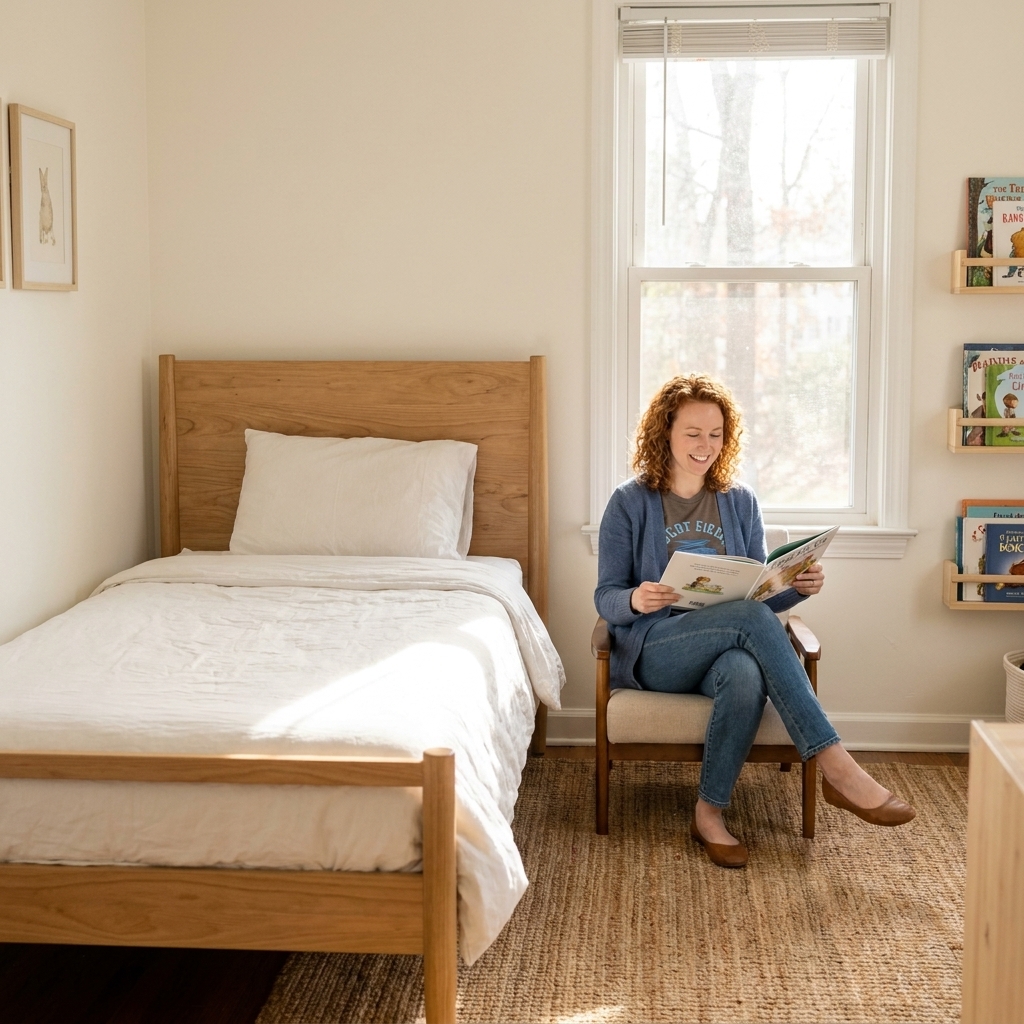
Below, I will walk you through the furniture to invest in, the decor to swap out, and the layouts that make a room feel good at three very different stages: toddler, school-age, and teen.
Start with a calm foundation
A transitional room works best when the permanent pieces are neutral, durable, and not tied to one “phase.” Think of these as your stage flats: they define the structure, and everything else is props and costume.
Choose a bed that can follow the growth chart
If you can, skip anything that only makes sense for a year or two. Your best long-term options are:
- Twin or full bed with a simple headboard in wood, white, or black. It reads classic at any age.
- Daybed with a back and arms if the room doubles as a playroom now and a hangout later.
- Trundle or under-bed drawers for sleepovers and extra storage, especially in smaller rooms.
My rule: avoid highly themed beds (race cars, castles, heavy character shapes). They are adorable, but they lock you into a look.
Pick a dresser that works like a storage workhorse
Look for a dresser with deep drawers and a sturdy top. Today it holds onesies and puzzles. Tomorrow it holds jeans, hair tools, and sports gear. Bonus points for soft-close drawers and hardware you can change later.
Plan a “forever desk” zone early
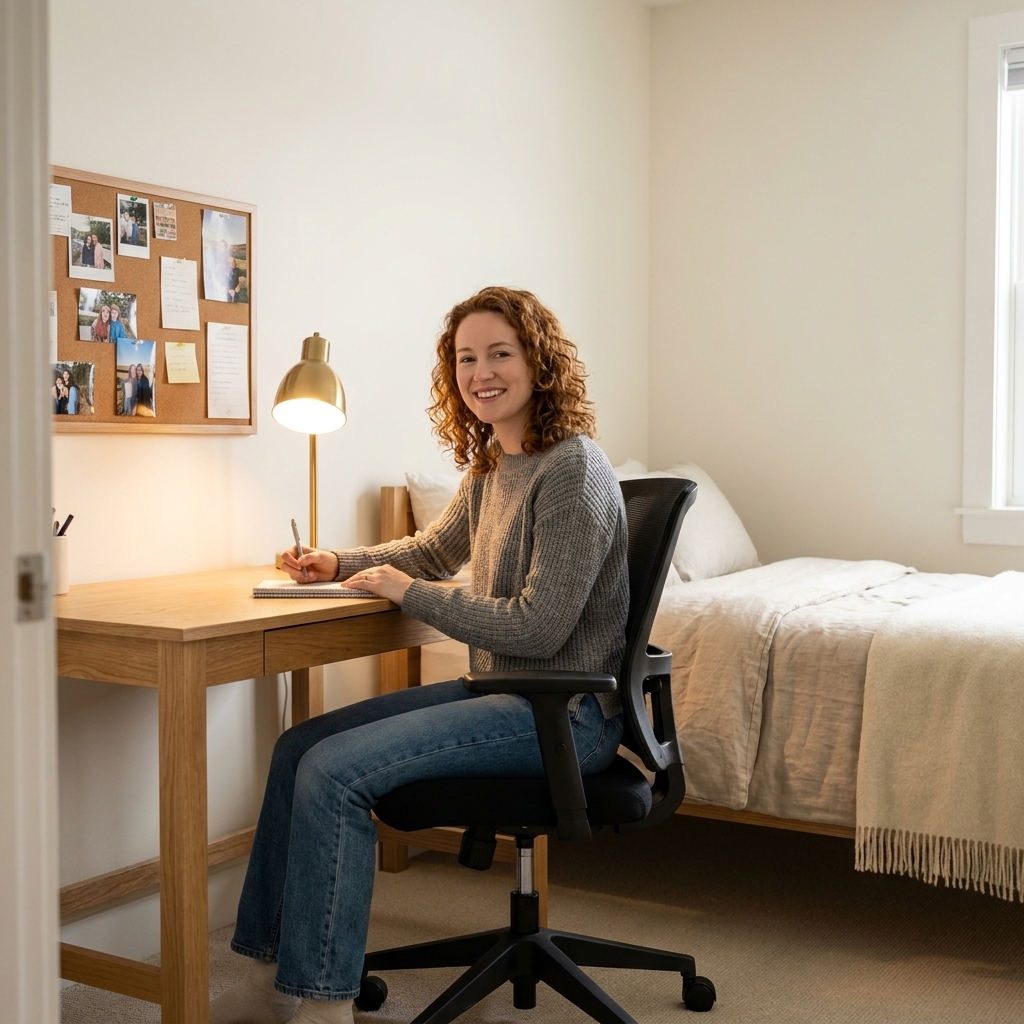
You do not need a desk for a toddler, but you do need a plan for where schoolwork will eventually live. If space allows, choose a simple desk and let it function as:
- a coloring station in preschool years
- a homework landing zone in grade school
- a study setup for teen years
A comfortable, adjustable chair is one of the few items I would upgrade sooner rather than later. Ergonomics matter when homework hours stretch.
Wall color: keep it soft, not sterile
The easiest “grows with them” palette is a warm neutral with gentle undertones. A few reliable directions:
- Warm white for a clean backdrop that still feels cozy under lamplight.
- Greige if you want a little depth and a forgiving surface for scuffs.
- Muted color-wash like dusty blue, soft sage, or clay beige for a calm, personality-friendly base.
Highly saturated walls can be fun, but they can also become the reason you feel forced into a big redo later. If your child loves bold color, bring it in through textiles and art first.
Invest in flexible layout, not themed furniture
The secret to a room that grows is circulation. Your child needs space to play now, then space to study later, without the room feeling cramped.
A layout that evolves in three steps
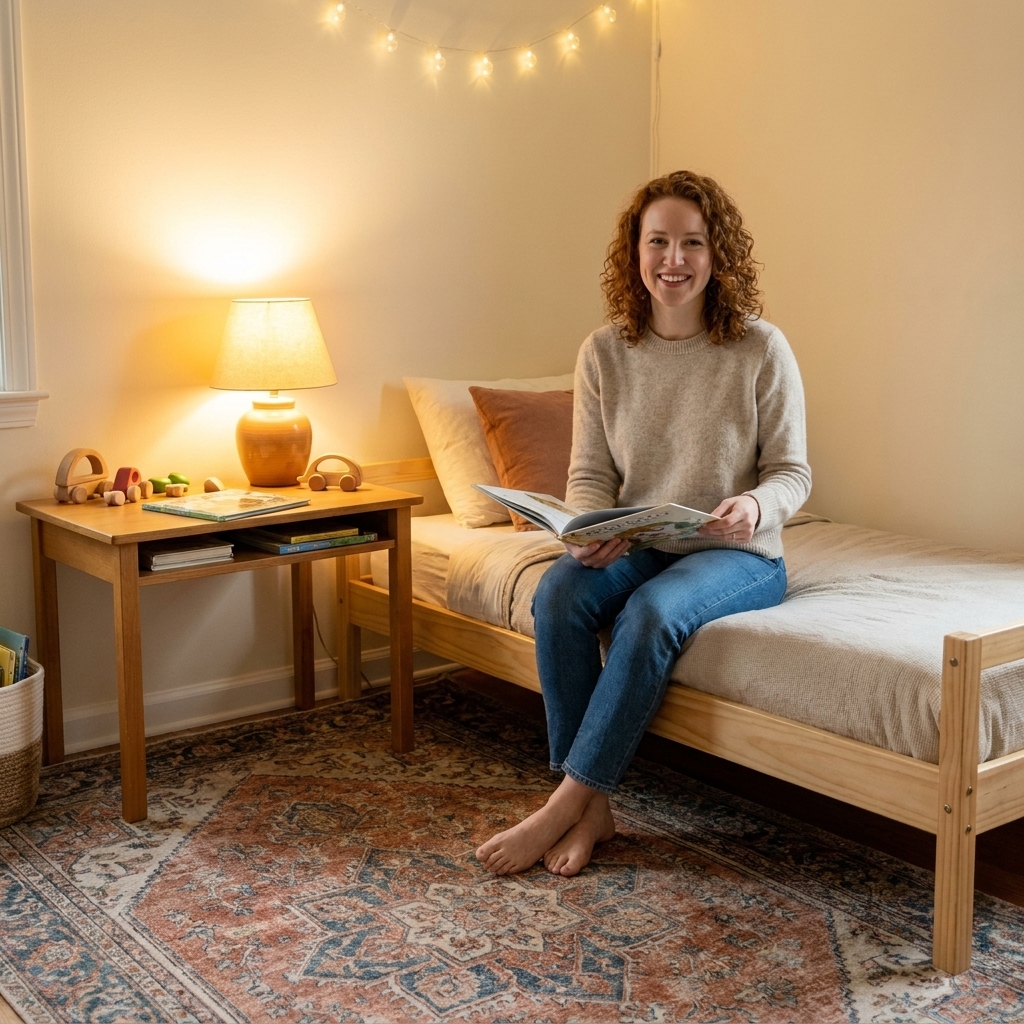
- Step 1: toddler leaves open floor space. Keep the bed tucked to one side and use a soft rug as a play “stage.”
- Step 2: school-age introduces zones. Add a desk, a reading nook, and clear bins for hobby storage.
- Step 3: teen prioritizes function and privacy. Shift the bed placement for a calmer sightline from the door, improve lighting at the desk, and add closed storage for visual quiet.
Anchor the room with a great rug
I am slightly obsessed with vintage rugs for kids’ rooms because they hide crumbs, ground the furniture, and add warmth that lasts through every style change. Choose a low-pile, easy-clean rug in a pattern that can handle a decade of life.
Use modular storage that can change jobs
Open cubbies are fantastic for toddlers, then can feel messy as toys turn into gadgets and collections. Go modular:
- Cubby shelf + bins now for toys and books
- Same shelf + baskets later for sports gear and cords
- Add doors or fabric cubes to make the room feel more grown-up without replacing the whole unit
Swappable decor: your best friend for fast refreshes
If you only remember one strategy, make it this: keep the expensive pieces neutral and let the “fun layer” be cheap and easy to swap. It is the most budget-friendly way to honor a kid’s changing taste.
Textiles that change the whole mood
- Bedding: one neutral base set, one personality set. Rotate as interests change.
- Throw pillows: a quick color injection, and easy to update seasonally too.
- Curtains: choose a solid or subtle pattern for longevity, then add color through other pieces.
Wall art that can grow with them
Instead of committing to a full mural, try these:
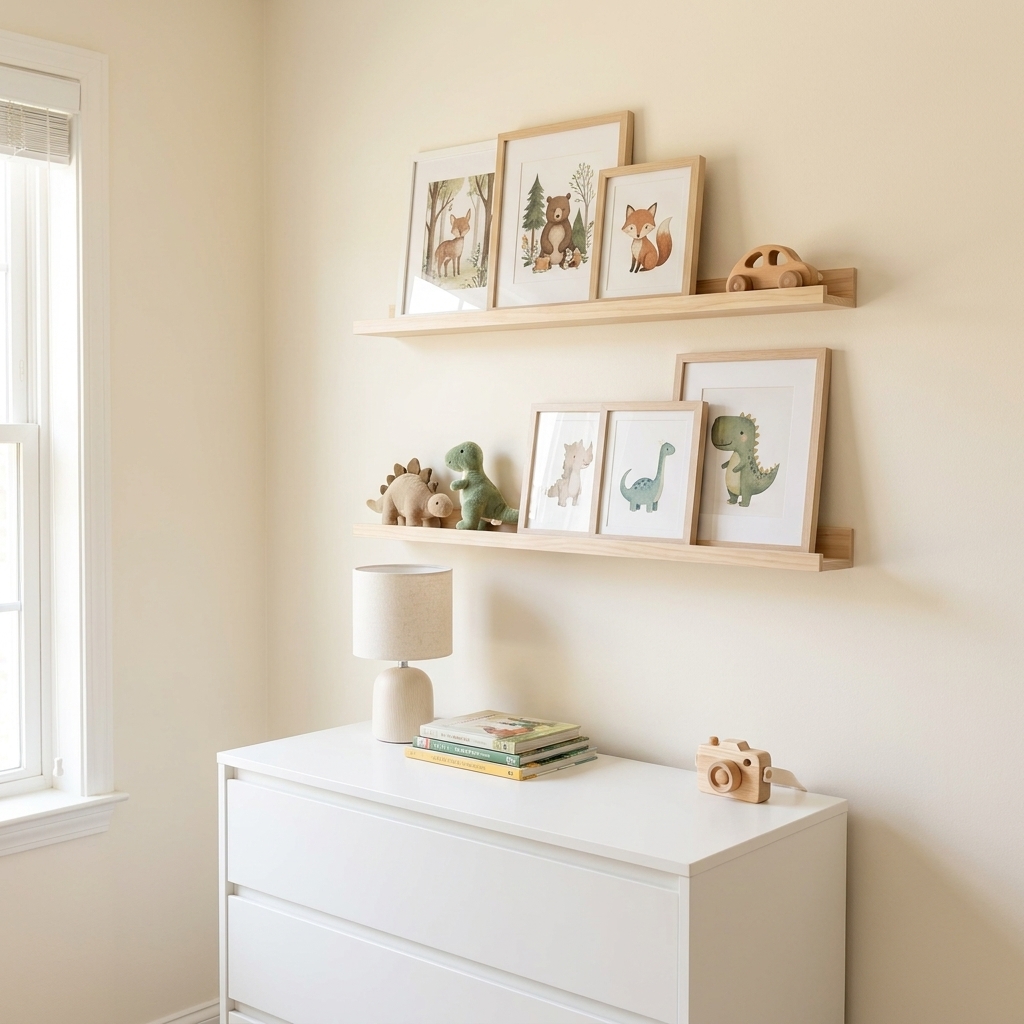
- Display ledges for rotating prints, photos, and small objects.
- Clip rails or frames that let your child swap art without extra holes.
- One larger statement piece that can change from animals to abstract to photography as they age.
Lighting that feels special at every age
Lighting is where you can sneak in that “set design” magic. Aim for layers:
- Overhead for general light
- Task at the desk for homework and crafts
- Warm accent like a bedside lamp for wind-down
Swap lamp shades, bases, or bulbs as style changes. Warm bulbs (around 2700K) keep the room feeling like a sanctuary, not a classroom.
Designing by age, without boxing them in
I love age-based guidance, as long as it stays flexible. These are not rules, just smart defaults.
Toddler stage: soft, safe, and easy to reset
- Low book storage so they can reach and tidy with you.
- Soft landing with a rug pad under the rug.
- Washable paint finish and wipeable baskets for real-life mess.
- Simple art placement slightly lower so the room feels like it belongs to them.
Decor theme tip: if they love dinosaurs or unicorns, bring it in through bedding and art. Keep the furniture timeless.
School-age stage: zones for hobbies and homework
- Desk + pinboard to corral papers, schedules, and little projects.
- Clear bins or labeled baskets for LEGO, crafts, or sports.
- Reading nook with a comfy chair and a small lamp for independence.
This is the perfect stage to let them help choose accent colors. Give them two or three curated options, and let them “direct the scene.”
Teen stage: calm, layered, and privacy-friendly
- More closed storage so the room looks restful even when life is busy.
- Better desk lighting and an upgraded chair for longer study sessions.
- A mirror near the closet or dresser for everyday routines.
- Textured neutrals like linen, knits, and woven shades for a grown-up feel.
What to splurge on, what to save on
Budget matters, especially when you are designing for someone whose taste can change overnight. Here is my practical split.
Worth spending a little more on
- Bed frame (sturdy joinery, timeless design)
- Mattress (sleep is everything)
- Dresser hardware and drawer quality (daily use, daily satisfaction)
- Rug if it anchors the whole room and hides wear
- Lighting that is safe, stable, and warm
Great places to save
- Throw pillows and bedding accents
- Wall art and prints (especially when rotated)
- Baskets and bins
- Nightstand (a small table, a stool, even a wall shelf can work)
If you want one upgrade that makes a room feel instantly more “designed,” replace builder-basic ceiling fixtures and add a bedside lamp. Warm lighting changes everything.
Easy updates that feel like a whole new room
When your child announces they are “not into that anymore,” you do not need a renovation. Try one of these mini refreshes:
- Swap bedding and curtain panels while keeping the rug and furniture.
- Change the gallery wall to match their current interests, sports, music, or photography.
- Replace knobs and pulls on the dresser for a more mature look.
- Rearrange the layout to create a desk-first or lounge-first vibe.
- Add one new texture like a chunky knit throw or a linen duvet for instant “older” energy.
Think of it like theater: sometimes you just need a new lighting cue and a costume change, not a brand new set.
Transitional room checklist
- Neutral foundation: bed, dresser, and desk in classic finishes
- Flexible storage: modular shelves, bins, and baskets that can evolve
- Layered lighting: overhead + task + warm bedside glow
- Swappable personality: bedding, art, pillows, and accessories
- Room to move: clear floor space and an easy path from door to bed
- One signature piece: a rug, pendant light, or vintage find that adds soul
FAQ
Should I choose a twin or a full bed for a growing kid?
If the room can handle it, a full often buys you the most longevity for teens who want extra space. A twin is perfectly fine in smaller rooms and can still feel elevated with great bedding and a strong headboard.
How do I keep a kids’ room from looking too babyish?
Keep the big pieces classic and limit themed items to decor you can remove in one afternoon. A neutral rug, simple curtains, and warm lighting go a long way toward a more timeless look.
What is the easiest way to update the room without repainting?
Swap bedding, art, and lighting. Those three changes can shift the entire mood, from playful to polished, without touching the walls.
How can I make the room feel more teen-friendly?
Add closed storage, improve the desk setup, and bring in texture. Think linen, knits, a larger mirror, and fewer small toys on display. The room will feel calmer and more grown-up immediately.