A step-by-step method for placing sofas, chairs, and tables in compact living rooms so you get clear walkways, cozy conversation zones, and a bigger-feeling ...
Havitza Home
9 Multifunctional Furniture Pieces Every Studio Apartment Needs
Make your studio feel bigger without losing comfort. These 9 multifunctional furniture picks pull double duty, plus layout and safety tips to keep one-room living calm, cozy, and organized.

Clara Jenkins
Clara Jenkins is a former theater set designer turned interior styling expert with over a decade of experience transforming everyday spaces into beautiful sanctuaries. Through her work at havitza.com, she shares practical styling tips, accessible furniture layouts, and inspiring color palettes to help anyone create a home they truly love.
Published October 17, 2026
Updated October 17, 2026
A studio apartment asks you to do a little stage design every day. Your bed is in the same “scene” as your dinner parties. Your entryway is also your storage closet. And your living room needs to transform from work mode to unwind mode without a full set change.
The good news is you do not need more square footage. You need furniture that can play more than one role, and a layout that gives each role a clear place to happen. Below are nine multifunctional pieces I reach for again and again when styling studios, plus the placement tricks that make them feel like a real home, not a room full of compromises.
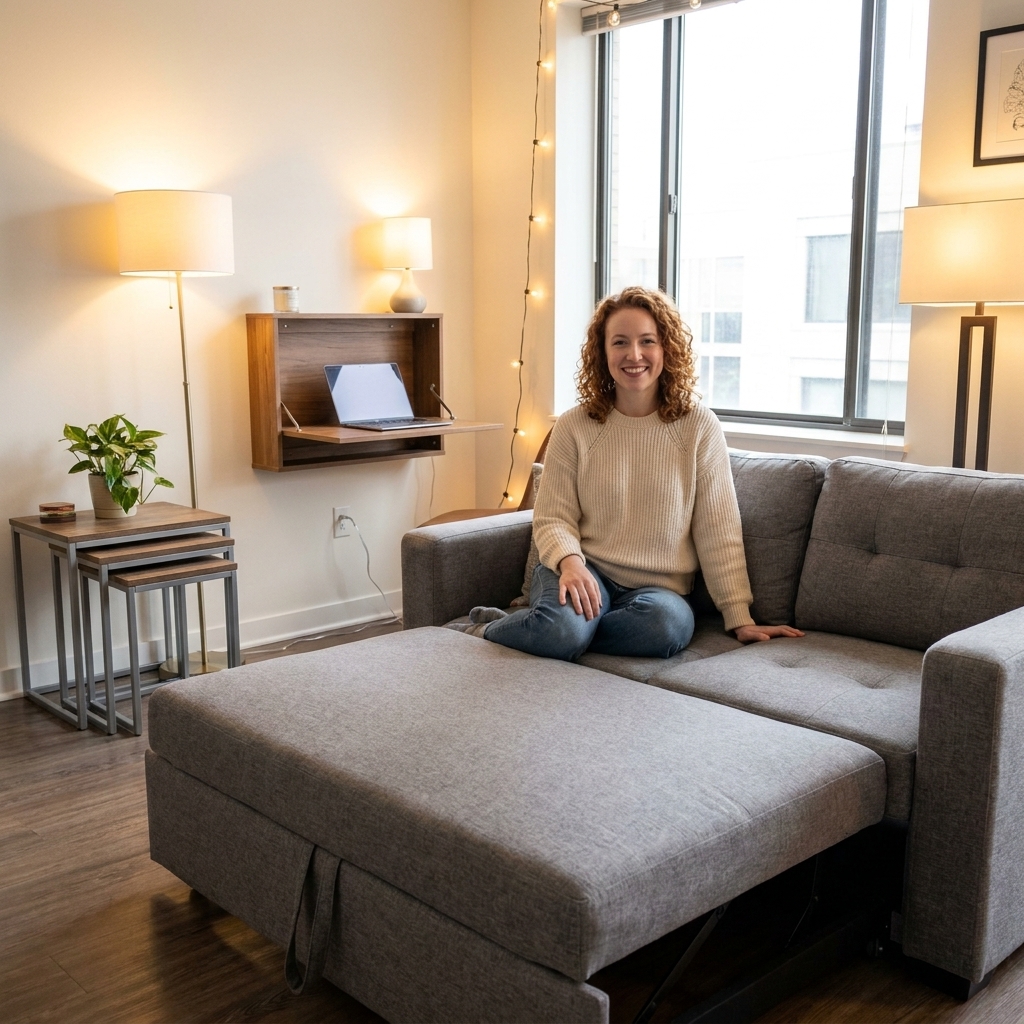
1) A sofa bed you want to sit on
A sofa bed is the classic studio workhorse, but the key is choosing one that looks like a real sofa during the day. A clean silhouette, tailored arms, and supportive seat cushions go a long way. If you can, prioritize a design with a true mattress or a high-quality sleeper mechanism so your back is not doing all the heavy lifting.
Placement tip
- Leave pull-out room. Many sleepers need about 7 to 8 feet of clear space from the back of the sofa to fully open. Measure before you fall in love.
- Float it slightly off the wall if space allows. Even 3 to 6 inches gives breathing room and helps it feel intentional.
- Anchor it with a rug to define “living zone” versus “sleep zone.” If the sofa becomes the bed, the rug still signals where relaxing happens.
- Place a slim console behind it if it sits in the middle of the room. That console becomes a landing strip for keys, lamps, and books.
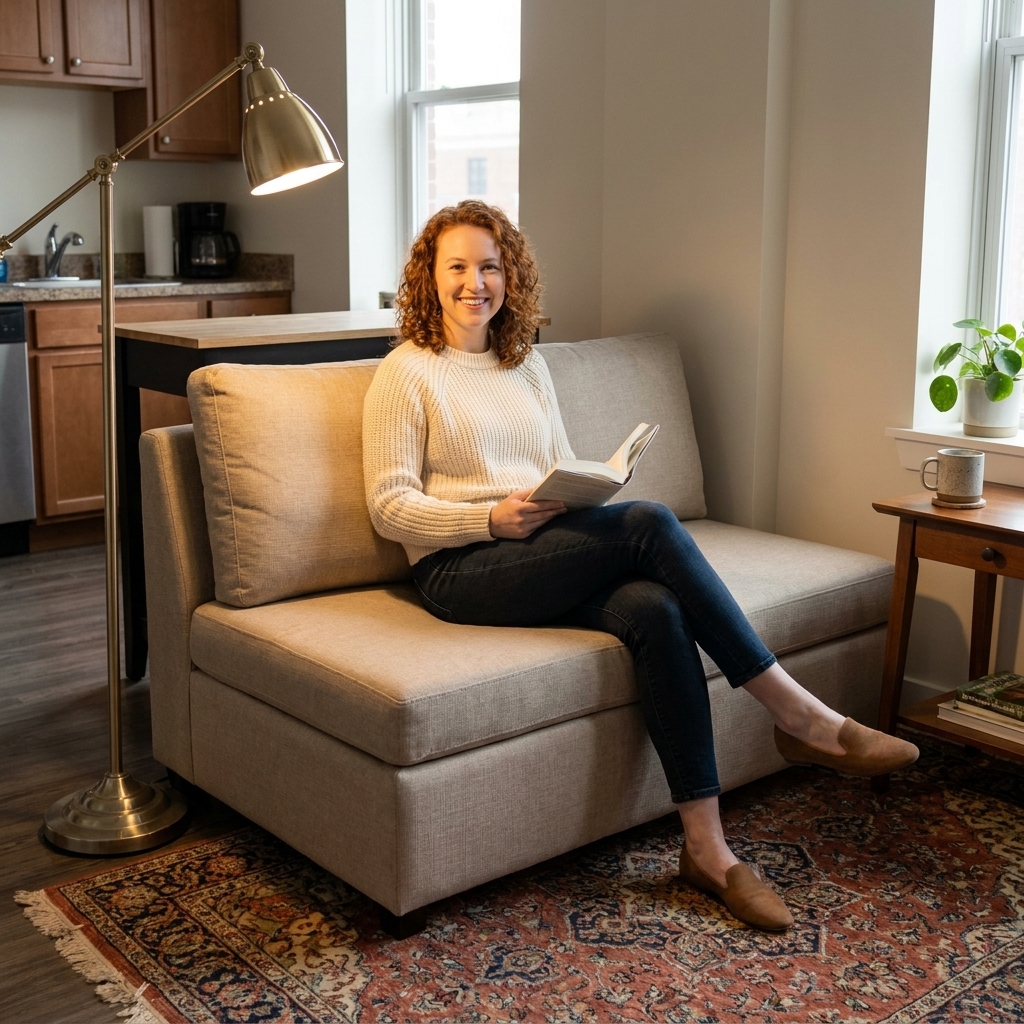
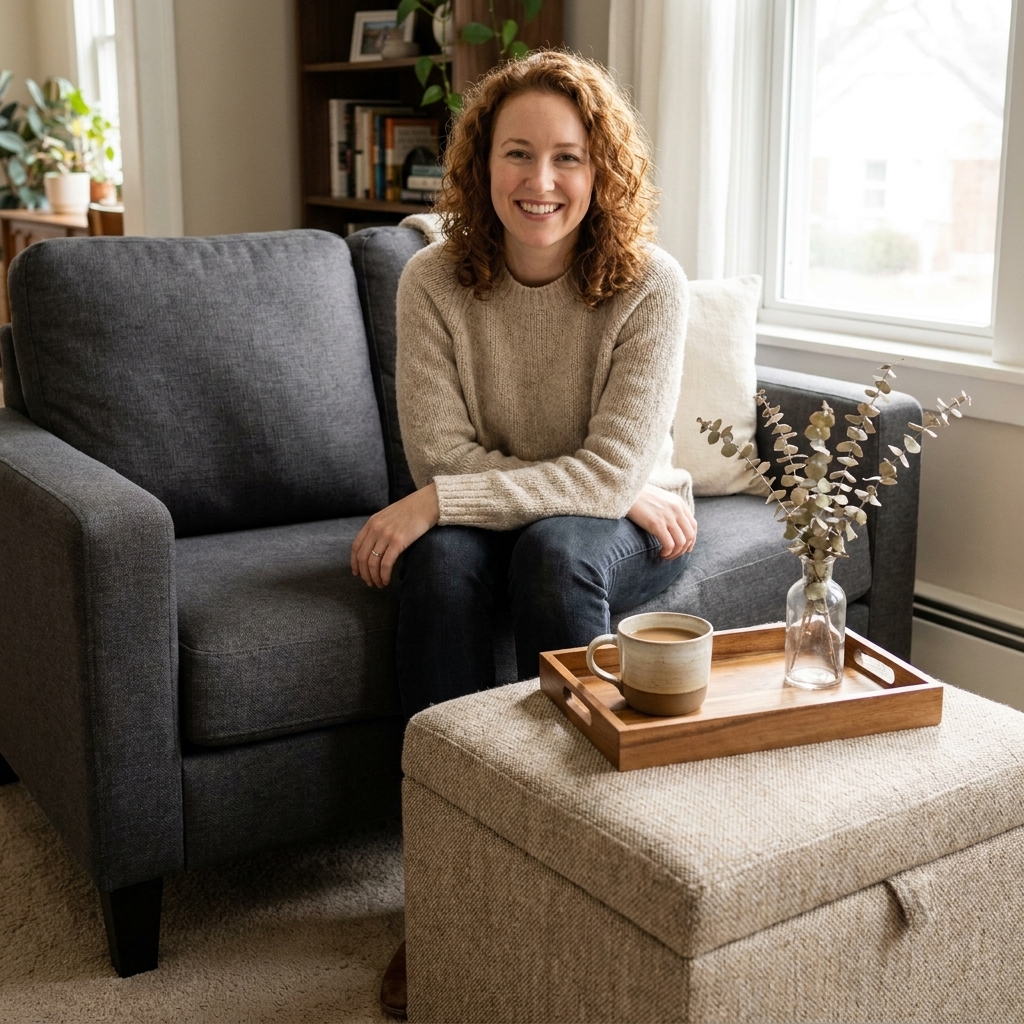
2) An ottoman with hidden storage
If I could put one piece in every studio, it might be a storage ottoman. It is a footrest, coffee table, extra seating, and a secret closet for throws, board games, or the random cables you swear you will organize later.
Placement tip
- Top it with a tray so it can behave like a coffee table without wobbling drinks.
- Pick a tactile fabric like boucle, velvet, or a sturdy woven textile to add softness when the room has lots of hard surfaces.
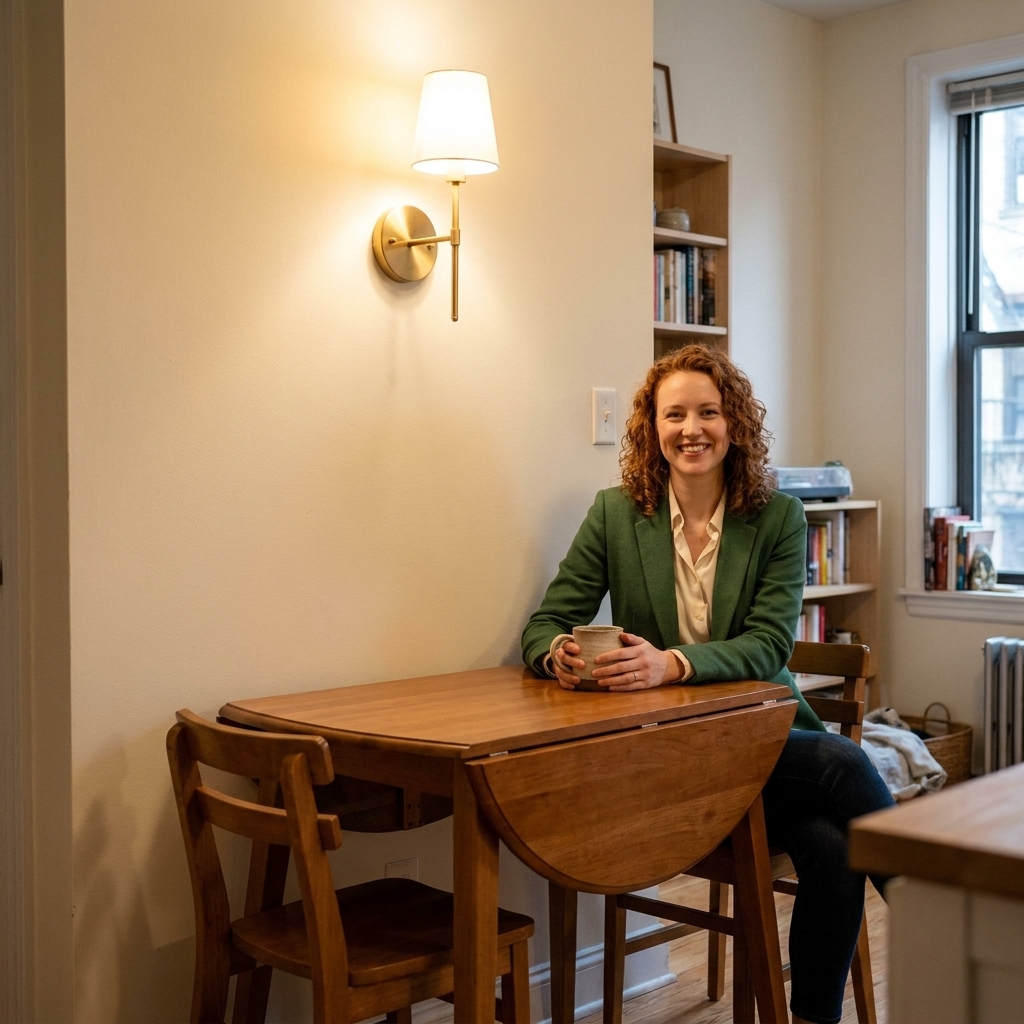
3) A drop-leaf dining table
Studios often skip a real table, and then dinner becomes laptop-on-the-bed, which never feels as relaxing as it sounds. A drop-leaf table keeps the daily footprint small, with the option to expand when friends come over or when you need space to spread out a project.
Placement tip
- Park it against a wall with leaves down. Pull it out only when you need the full surface.
- Use armless chairs that can slide fully under the table, or consider folding chairs you can hang on wall hooks.
- Hang a plug-in pendant or use a sconce above it to make the “dining moment” feel deliberate without eating floor space with a table lamp. Route cords along the wall and out of walkways so they are not a tripping hazard.
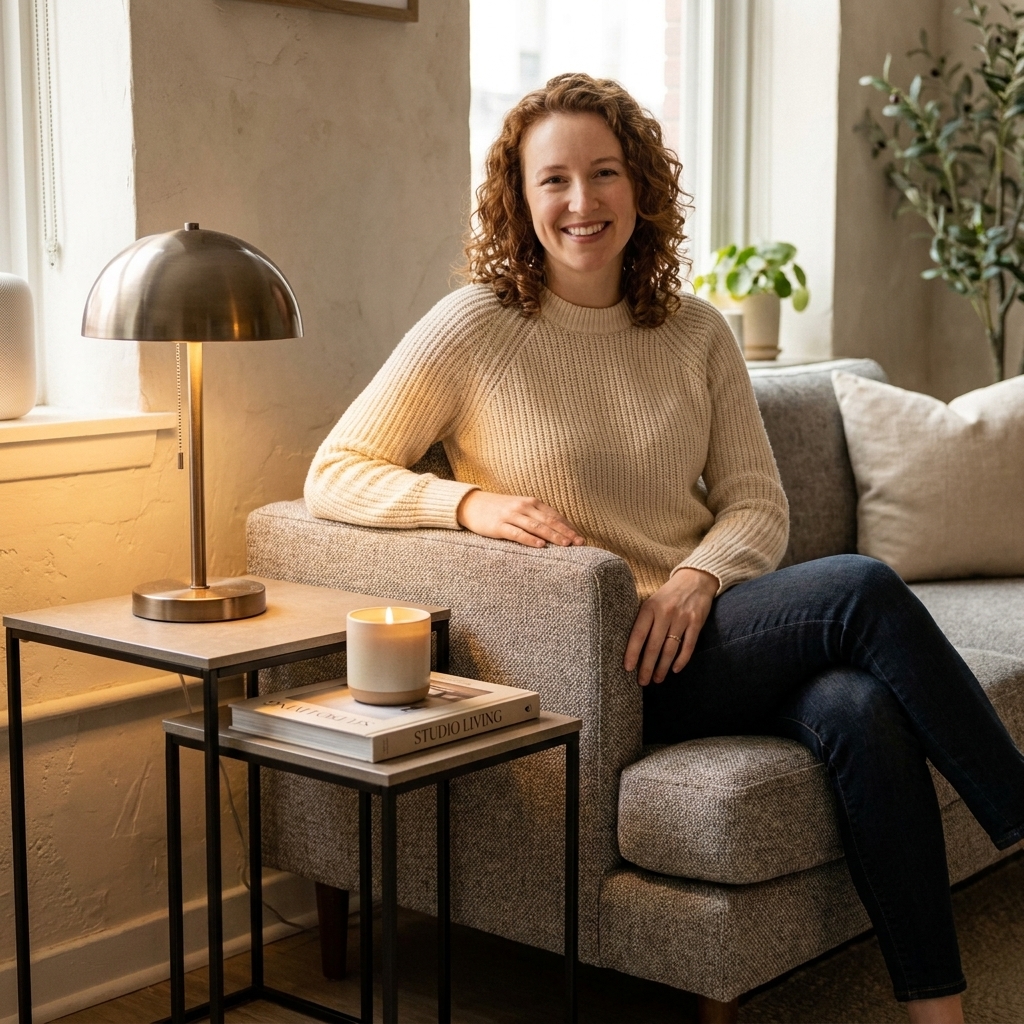
4) Nesting tables
Nesting tables are like understudies in theater. Quiet, adaptable, and ready to step into any role. Pull them apart when you need surfaces in different corners, then tuck them back together when you want the room to feel open.
Placement tip
- Mix heights so one can hold a drink while another holds a lamp or books.
- Choose lighter visual weight like thin legs or a glass top if your studio already has heavy pieces.
5) A bed with storage
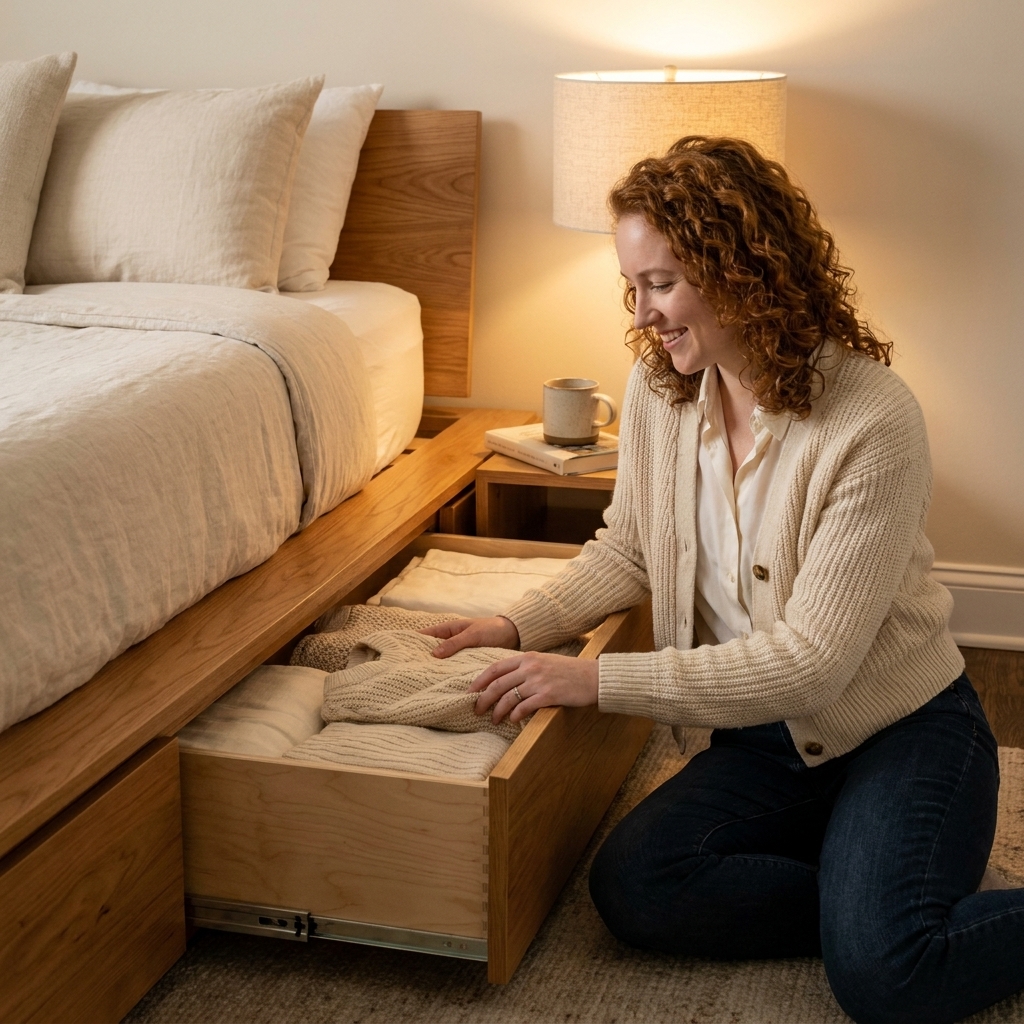
Under-bed storage is prime real estate in a studio. A bed with built-in drawers turns dead space into a dresser. A lift-up platform can hide off-season clothing, extra bedding, and even luggage.
Placement tip
- Leave drawer clearance when planning placement. If drawers will hit a wall, you will never use them.
- Plan for lift-up access if you choose a platform that opens. Make sure the bed can fully lift without knocking into a radiator, windowsill, or your nightstand.
- Use one bedside surface if the bed is tight to a wall. A small wall-mounted shelf works beautifully and keeps the floor clear.
6) A fold-down wall desk
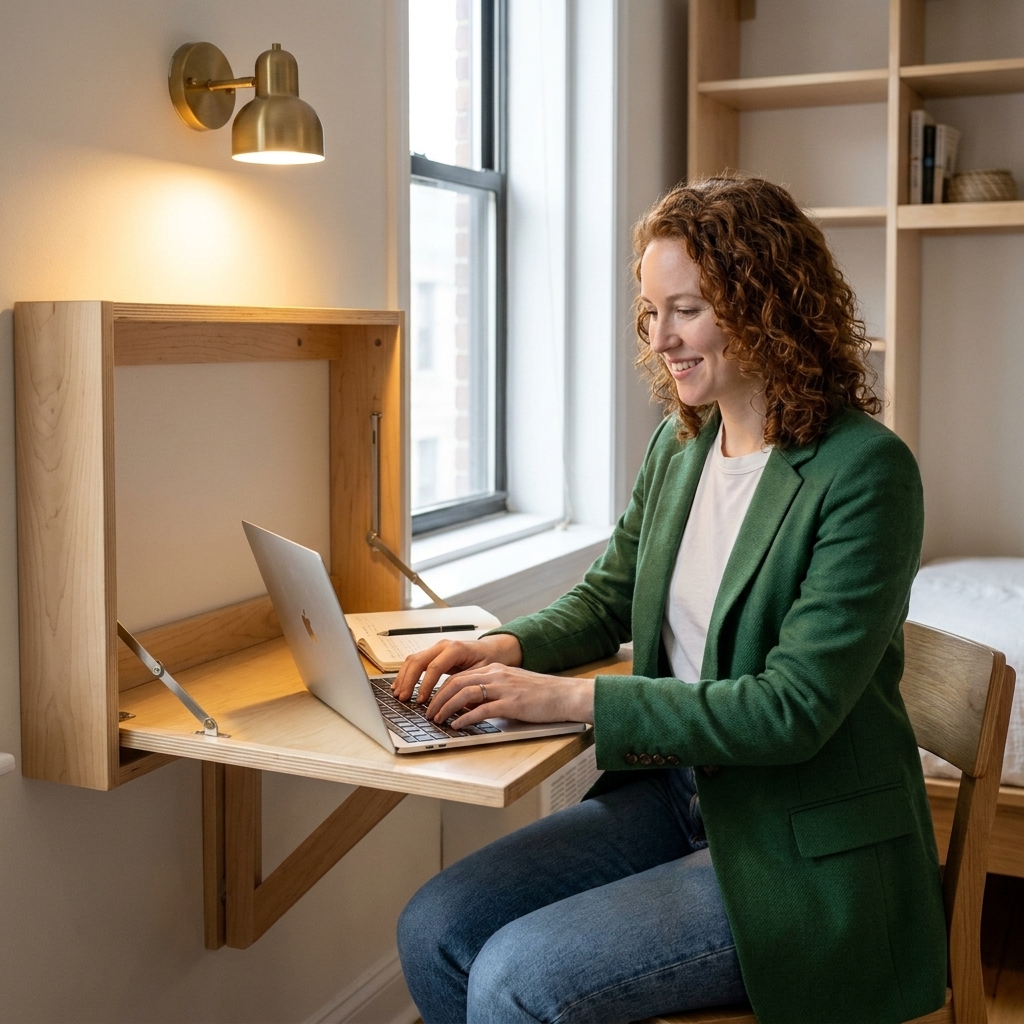
Working from your couch seems cozy until your shoulders disagree. A fold-down wall desk gives you a dedicated work surface without permanently stealing floor space. When you close it, the room instantly returns to “home” instead of “office.”
Placement tip
- Confirm what your walls can handle. Check your lease, then use the right anchors for your wall type. When in doubt, mount into studs and avoid areas where electrical or plumbing may run.
- Pair it with a chair that can multitask like a dining chair that looks good in your living zone too.
- Add a plug-in sconce or a clamp lamp so the desktop stays clear.
- Use a cable box or cord cover to keep visual clutter from creeping up the wall.
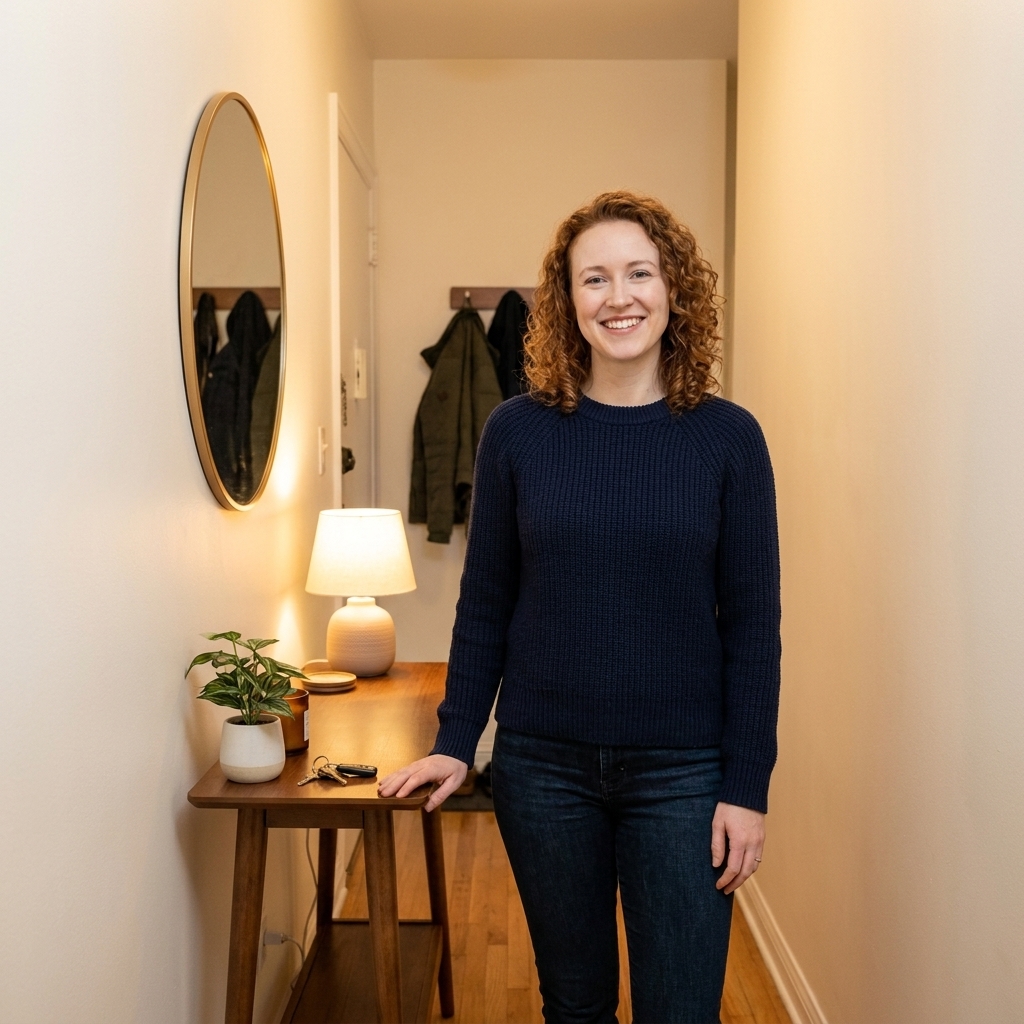
7) A storage bench by the door
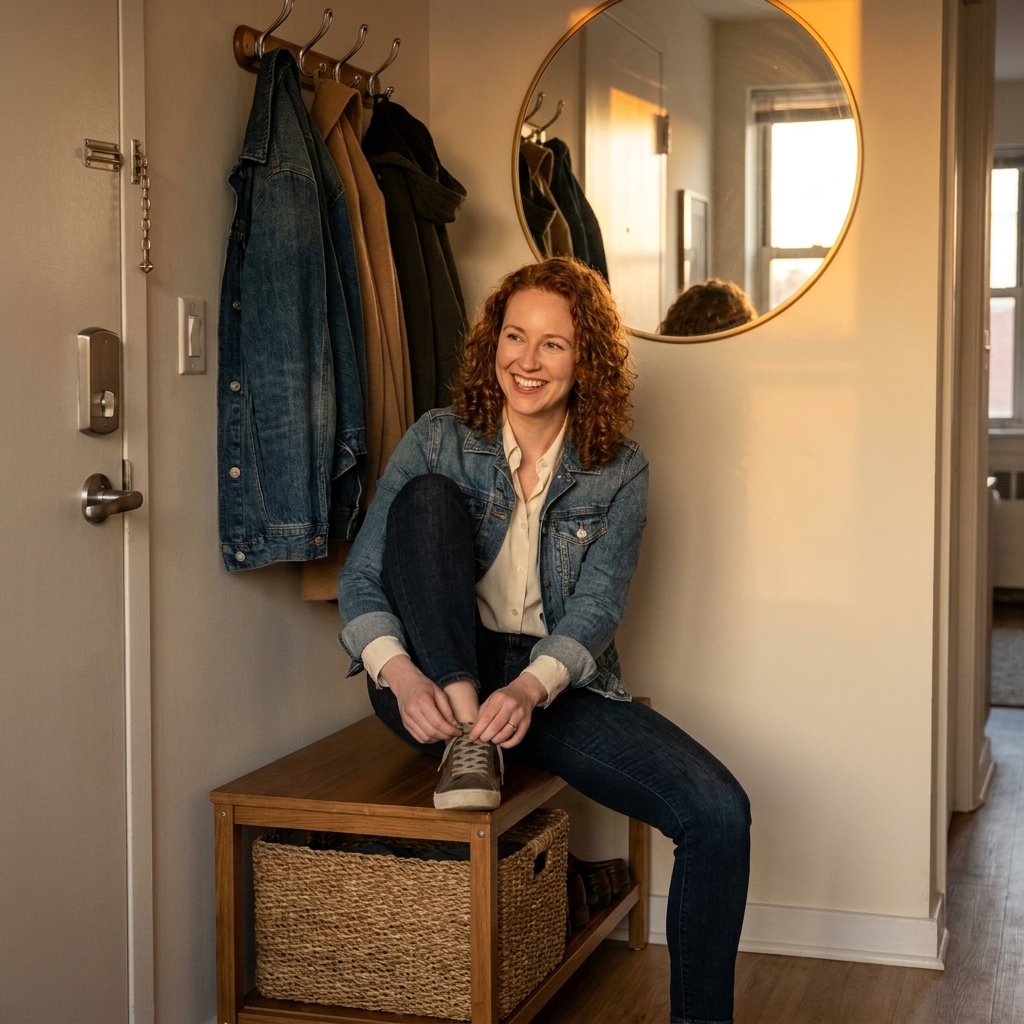
Even if your studio door opens straight into your main room, you can create an entry pause with a storage bench. It gives you a place to sit and put on shoes, and it keeps bags, hats, and cleaning supplies from spreading into your living space.
Placement tip
- Place it within arm’s reach of the door so it catches everyday items before they migrate.
- Account for door swings including your entry door and any nearby closet doors, so nothing bangs or blocks your path.
- Hang hooks above it for coats and totes, and add a small mirror to bounce light and make the area feel finished. Use appropriate anchors and follow your building rules for mounting.
8) A bookcase room divider
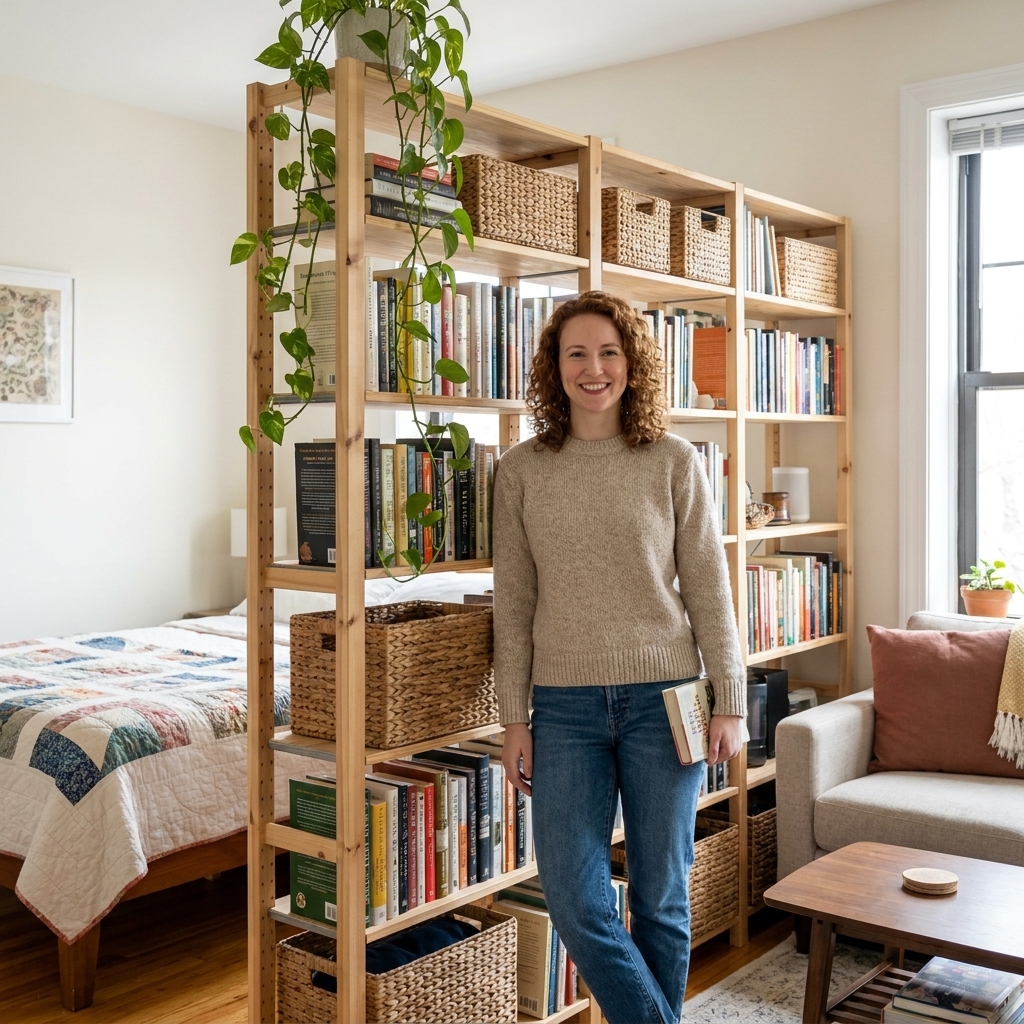
If you want your studio to feel like it has rooms, one of the fastest ways is to create zones. A tall, open bookcase can divide your sleep area from your living area while still letting light pass through. It also gives you vertical storage, which is my favorite small-space power move.
Placement tip
- Use it perpendicular to the wall to create a hallway effect into your sleeping area.
- Anchor it for safety. Tall units can tip, especially when used as dividers. Secure it according to the manufacturer’s instructions, particularly if you have kids, pets, or lively friends.
- Keep the back attractive by styling both sides or choosing a bookcase that looks finished from behind.
- Balance open and closed storage using baskets and lidded boxes so the shelves feel calm, not chaotic.
9) A slim rolling cart
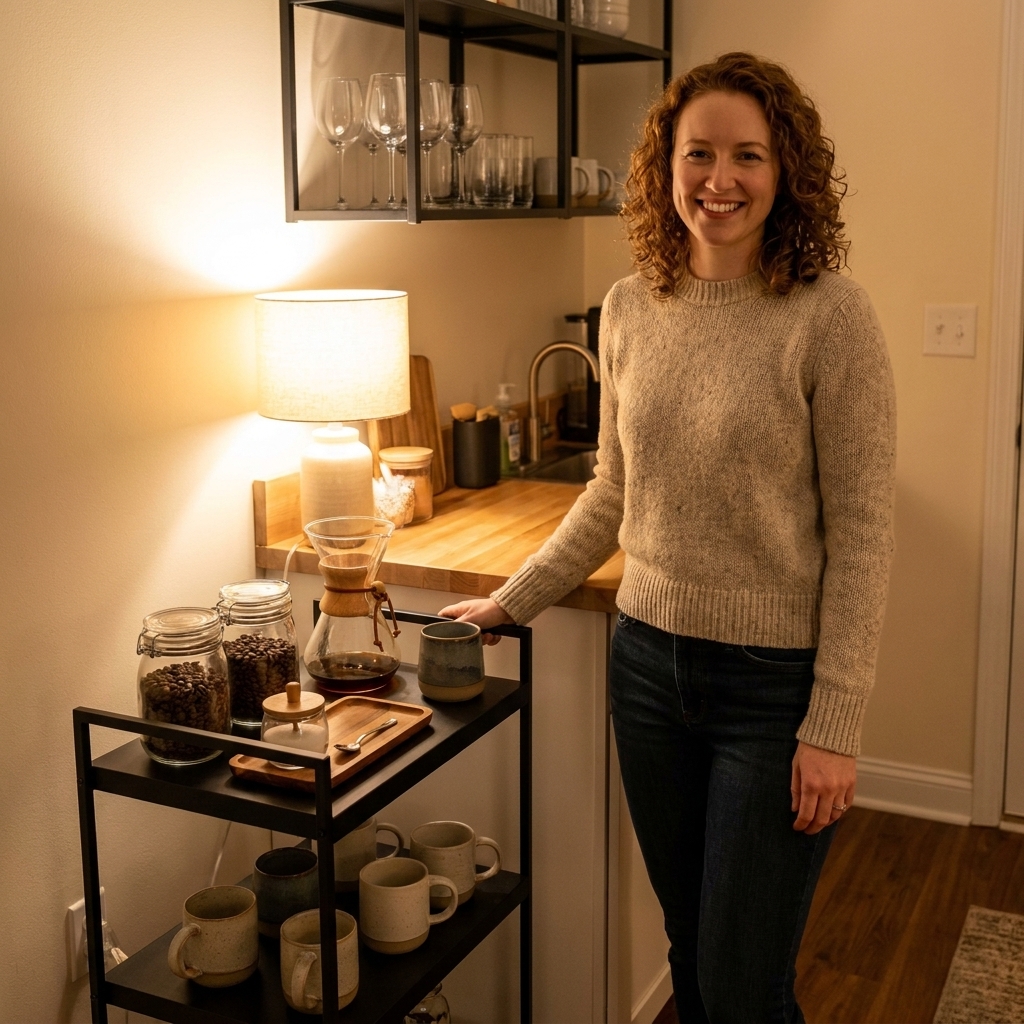
A rolling cart is the ultimate movable supporting actor. It can be a bar cart on Friday night, a bathroom overflow shelf, a coffee station, or a craft caddy. In a studio, being able to relocate storage is a huge win because your needs change throughout the day.
Placement tip
- Group by purpose. Keep it as one clear category so it looks curated instead of like a junk pile on wheels.
- Add one soft element like a small tray, a linen napkin, or a candle to make utilitarian items feel intentional.
- Give it a parking spot. A cart that always floats looks like clutter. Tuck it beside a cabinet, desk, or sofa end when not in use.
How to arrange pieces
Furniture that multitasks works best when your layout is equally thoughtful. Here are the studio rules I lean on most.
- Start with pathways. Make sure you can walk from the door to the kitchen and bed without weaving around corners. If you can maintain about 30 to 36 inches for main walkways, the room will feel noticeably easier to live in.
- Create two zones minimum. Even a tiny studio should have a sleeping zone and a living zone. A rug, bookcase divider, curtain, or lighting shift can do the job. If you want renter-friendly, think tension rod curtains or a ceiling-mounted track where allowed.
- Respect the “fixed obstacles.” Plan around radiators, vents, windows you need for egress, and any doors that swing into the room. A layout that looks great but blocks a closet is not going to last.
- Go vertical whenever possible. Tall shelving, wall hooks, and mounted lamps free up precious surfaces.
- Use warm, layered lighting. A mix of a floor lamp, a table lamp, and one wall light makes a studio feel like a home at night, not a waiting room.
- Choose doubles that hide their work. The most successful multifunctional pieces look like normal furniture first and clever furniture second.
Quick checklist
Multifunctional does not automatically mean right for your space. Before you click “add to cart,” run through this:
- Measure in three dimensions. Width and depth matter, but so does height, especially near windows and radiators.
- Check clearances. Can drawers open? Can a sleeper pull out without hitting your coffee table? Can a lift-up bed fully open without bumping a wall sconce?
- Think about your real life. If you never host overnight guests, a daybed or sofa plus a great air mattress might make more sense than a full sleeper.
- Prioritize comfort for the thing you do daily. Sit, open, lift, and test. The daily function should feel easy.
- Mind the weight and effort. Some sleeper sofas and lift-up beds are heavy to move or operate. If you will be converting it often, make “easy to use” part of your criteria.
If your studio feels like it is constantly in flux, you are not failing at decorating. You are living in a space that has to do a lot. The right multifunctional pieces give you flexibility while still letting your home feel grounded, cozy, and unmistakably yours.