A room-by-room guide to paint sheen: what each finish looks like, how it wears, and where to use matte, eggshell, satin, and gloss for walls, trim, and ceili...
Havitza Home
Mixing Metal Finishes at Home
Learn how to mix brass, matte black, nickel, and chrome like a designer. Simple rules for lighting, cabinet hardware, plumbing, and decor so everything feels intentional.

Clara Jenkins
Clara Jenkins is a former theater set designer turned interior styling expert with over a decade of experience transforming everyday spaces into beautiful sanctuaries. Through her work at havitza.com, she shares practical styling tips, accessible furniture layouts, and inspiring color palettes to help anyone create a home they truly love.
Published October 17, 2026
Updated October 17, 2026
Mixing metals used to feel like a “rules are rules” moment in design. Then I spent years building theater sets, where we mixed finishes constantly to create depth under stage lights. In real homes, it works the same way. When every metal matches perfectly, a room can fall a little flat. When metals are mixed with a plan, the space suddenly feels layered, lived-in, and intentional.
This is your practical, no-panic guide to pairing brass, matte black, nickel, and chrome across lighting, cabinet pulls, plumbing, and decorative accents.
The designer mindset
The goal is not to make every finish identical. The goal is to make your choices feel related. Designers do this by repeating finishes on purpose, keeping undertones consistent, and giving each metal a clear job in the room.
The three questions I ask
- What is the anchor metal? The finish that appears most, usually tied to the biggest fixtures or most frequent hardware.
- What is the supporting metal? A second finish that shows up a few times to add contrast and depth.
- What is the small accent metal? A tiny pop, often in decor, frames, or a single statement piece.
If you can answer those three questions, you can mix metals in almost any style, from vintage to ultra-minimal.
Know your finishes
Different metals do different emotional work in a room. Here is the quick personality guide I use when styling.
Brass (and warm gold tones)
Brass reads warm, flattering, and a little nostalgic. It plays beautifully with creamy whites, warm woods, earthy paint colors, and vintage rugs. If you love cozy lighting and tactile fabrics, brass is your best friend.
Matte black
Matte black is the eyeliner of interiors. It defines edges, adds graphic contrast, and makes a room feel grounded. It often hides fingerprints better than high-polish finishes, though in kitchens and baths it can show water spots and soap residue if your water is hard.
Nickel (brushed or satin)
Nickel is the quiet team player. It is typically softer-looking than chrome, easy to live with, and plays nicely with both warm and cool palettes. Just note that nickel can skew slightly warm or slightly cool depending on the brand and sheen, so it is worth comparing it to your other finishes in the actual room.
Chrome
Chrome is crisp, bright, and reflective. It can lean modern, but it also shines in classic spaces like bathrooms with white tile. It tends to feel cooler than many nickels, and it bounces light around, which can be a big win in darker rooms.

The easiest rule
Repeat each finish at least twice. Think of this as a designer guideline, not a law. But if a metal shows up only once, it is more likely to look accidental. Two repeats usually reads intentional. Three repeats can look especially polished.
Examples:
- If you choose brass cabinet pulls, repeat brass in a pendant light or a picture frame.
- If you choose a matte black faucet, repeat black in cabinet knobs, stool legs, or a mirror frame.
- If you have chrome plumbing, repeat chrome in lighting hardware or a tray on the counter.
Repetition is what turns “mismatched” into “layered.”
Pick an anchor
If you are overwhelmed, start with what is hardest or most expensive to change. Let that be your anchor finish, then build around it.
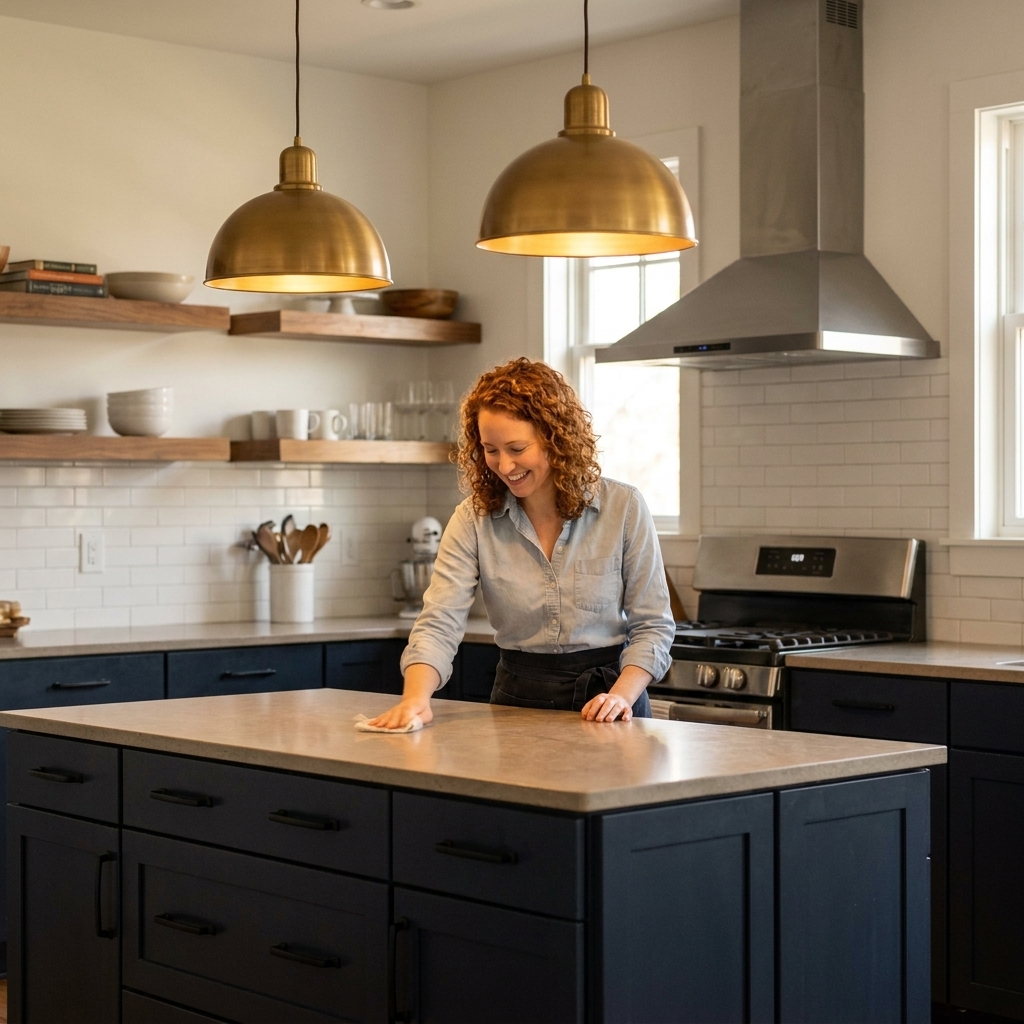
Kitchen: hardware or faucet
- Renters or budget refresh: anchor to the faucet and keep cabinet pulls simple.
- Full update: anchor to the cabinet hardware, since it repeats most often.
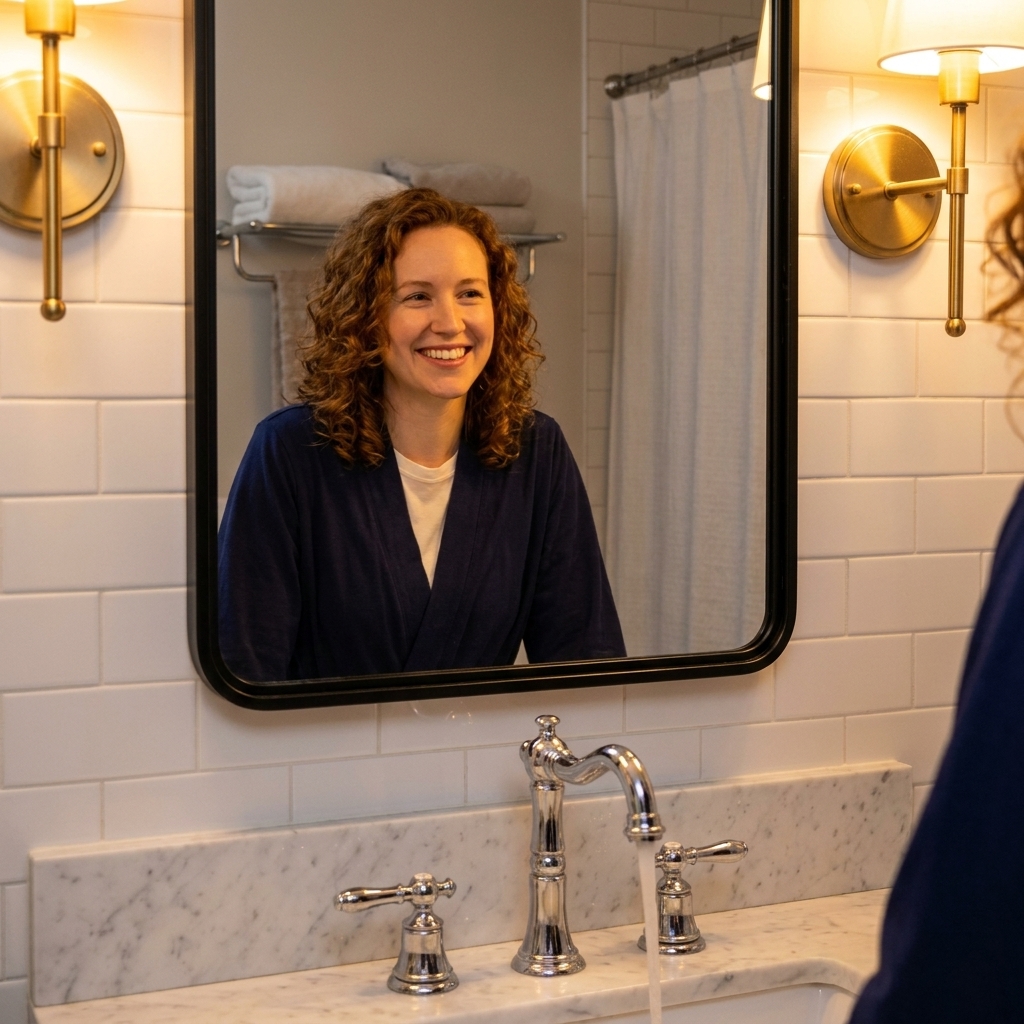
Bathroom: plumbing
Faucets, shower trim, and tub fillers are the big three. If those are chrome, you can still do brass sconces or matte black mirror frames. Just repeat the choice elsewhere so it feels planned.
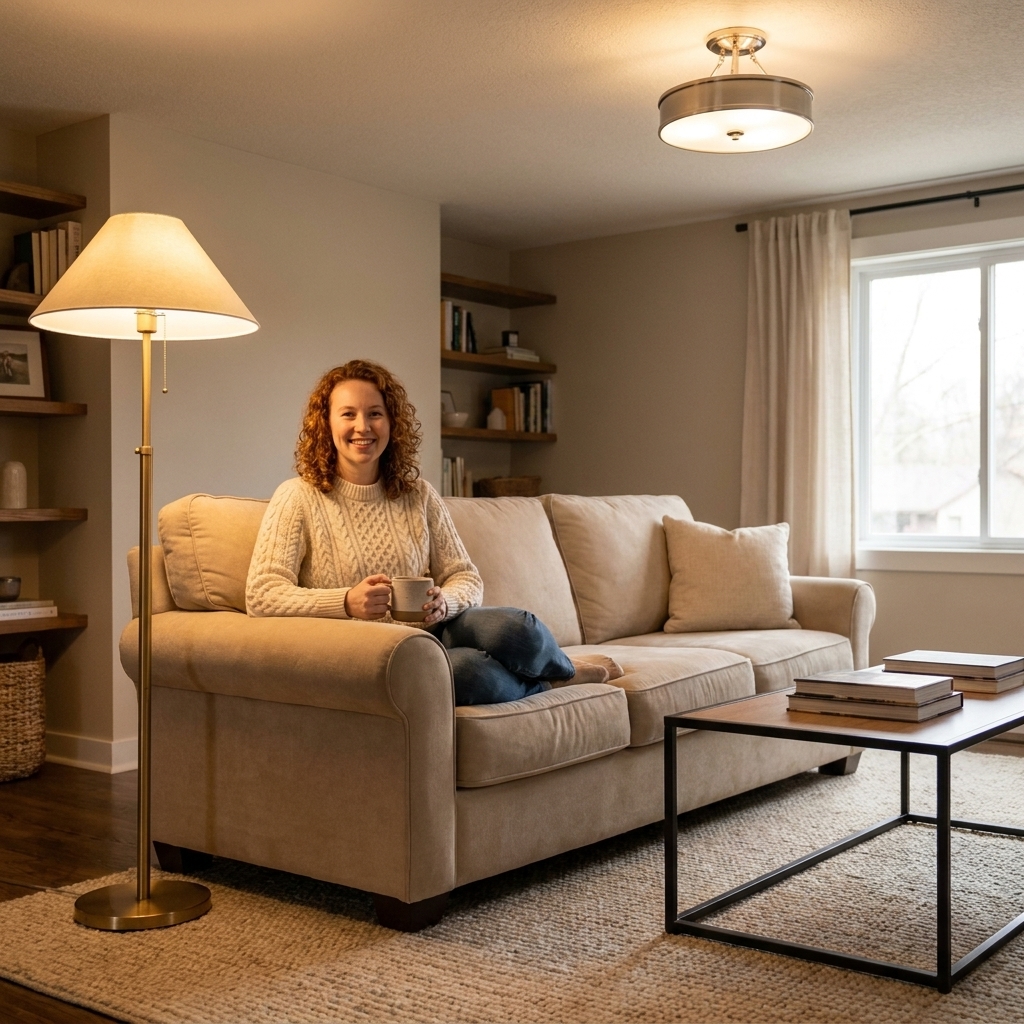
Living room: lighting
Living rooms typically do not have much hardware, so your main metal moments are lamps, ceiling fixtures, and maybe furniture legs. Choose your anchor metal there, then echo it in frames or decor.
Easy pairings
There are endless combinations, but these are the pairings I reach for when I want the room to look designer without trying too hard. They are reliable in many homes, with the usual caveat that undertones and lighting matter.
Brass + matte black
Warm and graphic. This combo is gorgeous with white paint, walnut tones, and natural stone. It is my go-to for kitchens and entryways.
Brass + nickel
Soft and classic. Choose brushed or satin nickel for the easiest blend. This pairing feels especially good in traditional or transitional homes.
Matte black + chrome
Clean and modern. Use chrome for plumbing, and black for lighting, frames, or hardware. Keep the rest of the room calm so the contrast reads intentional.
Nickel + chrome
Yes, you can mix them. The trick is to vary texture. Use brushed nickel for bigger items and chrome in smaller pops, or vice versa. If everything is shiny, it can start to feel busy.
How to mix fixtures
This is where most people freeze, so here is my room choreography approach. I think about sightlines and traffic paths: what you see first when you walk in, what sits next to what, and what is visible at the same time.
Step 1: Decide what should match
Not everything needs to match, but some things look best when they do.
- Kitchen: Keep cabinet knobs and pulls consistent throughout the main run of cabinets for a calm, polished look.
- Bathroom: Keep faucet + shower trim the same finish if they are in the same sightline.
- Open concept: Keep your major ceiling fixtures in the same family, even if they are not identical.
Step 2: Let lighting be the statement
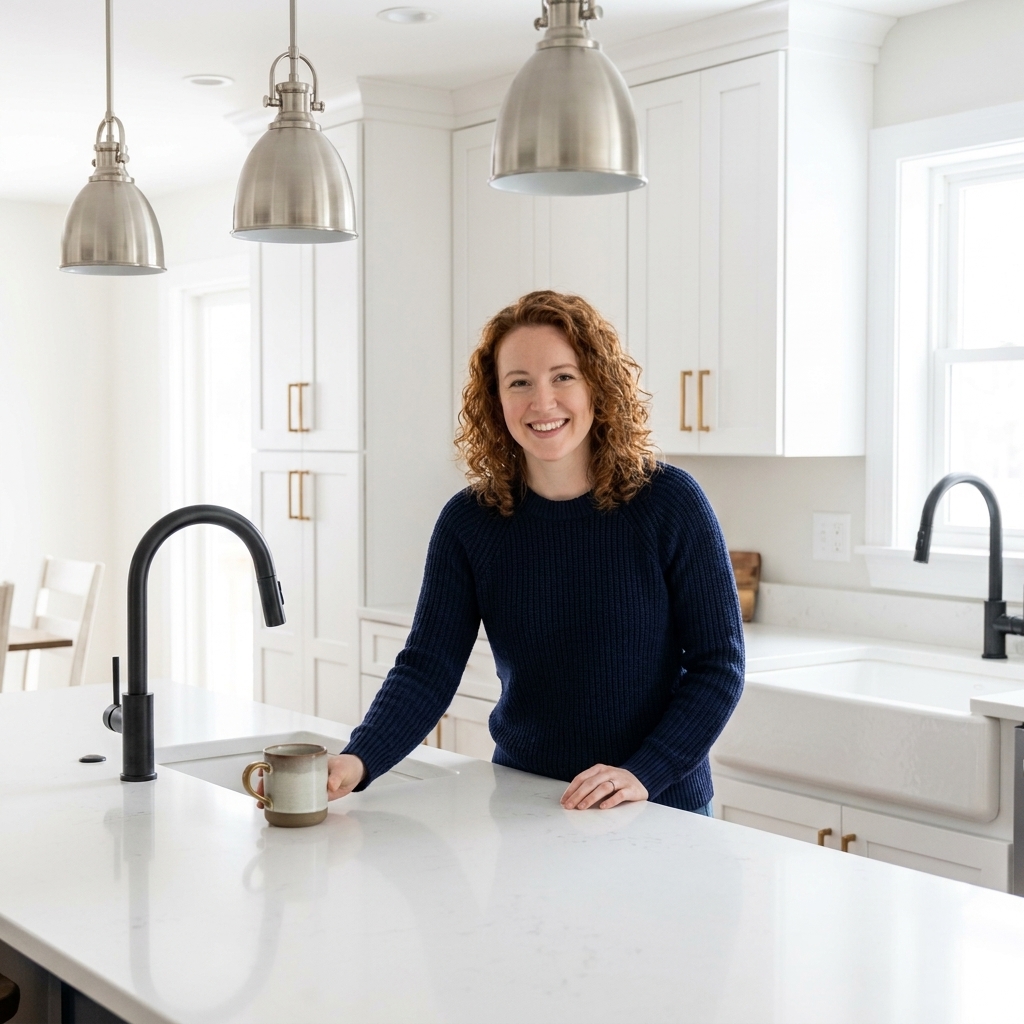
Lighting is a perfect place to introduce a second metal because it feels decorative, not random. Brass pendants over a kitchen island can look stunning even if your faucet is matte black or your appliances are stainless.
Step 3: Make decor the third metal
This is the fun part. Think trays, candlesticks, picture frames, curtain rods, vase details, or a vintage mirror. These smaller moments let you add a third finish without committing to a major installation.
Undertones matter
Two “brasses” can look completely different. Same with black and nickel. When a mixed-metal room feels off, it is usually because undertones are fighting.
What to look for
- Warm metals: brass, champagne bronze, antique gold, warm copper tones.
- Cool metals: chrome, cooler stainless, some polishes of nickel (especially shinier ones).
- Neutral metals: brushed nickel often sits in the middle and plays well with both sides.
If your home leans warm (warm woods, cream walls, beige stone), keep most metals warm or neutral. If your home leans cool (gray stone, crisp white tile, blue-grays), keep most metals cool or neutral. Mixing warm and cool is absolutely doable, just do it with repetition and restraint.
Texture makes it work
Finish texture is the secret handshake of designer spaces.
- Matte and brushed finishes read calm and sophisticated. They mix easily.
- High-polish finishes read crisp and bold. Use them thoughtfully so the room does not feel sparkly in every corner.
- Antiqued or aged finishes add character. They are wonderful in older homes and vintage-leaning spaces, and they disguise minor mismatches.
One of my favorite combos is aged brass with matte black, then a small touch of polished chrome in something like a vase or a frame to catch the light.
Work with what is fixed
Real homes come with “existing conditions.” Sometimes your metals are chosen for you, at least for now. The trick is to decide what counts as your anchor, and what you will treat as neutral background noise.
Stainless appliances
I usually treat stainless as a neutral. If your stainless reads very cool (common in modern kitchens), echo that cooler note once or twice with chrome or a cooler nickel so it feels integrated. If your palette is warm (creamy paint, warm wood, beige stone), balance stainless with warm metals like brass so the room does not feel icy.
Existing door hardware
Door levers do not have to match cabinet hardware. If they are in the same open area, make sure they at least feel related in undertone and sheen. Otherwise, let doors be their own category and focus on repeating metals in the fixtures you actually notice day to day.
Builder-grade lights you hate
If you cannot swap a fixture yet, treat it like a placeholder metal and work around it. Keep your new choices simple and repeat them elsewhere. When you finally change the light, the rest of the room will already have a plan.
Open concept tips
Open layouts are where “just one more finish” can turn into a metal zoo. My rule is simple: let your metals travel, but not everywhere.
- Let the anchor metal repeat across the whole zone (kitchen to dining, for example), even if it is in small ways like frames or a bowl.
- Keep the supporting metal closer to the anchor area so it feels like a deliberate pairing, not a new storyline.
- Use the accent metal in one or two grouped moments (a tray vignette, a bar cart, a single statement mirror) rather than scattering it.
Room recipes
If you like a clear plan, here are a few tried-and-true recipes you can copy.
Kitchen: warm and inviting
- Anchor: brass cabinet pulls
- Support: matte black faucet
- Accent: stainless appliances (treat as neutral), plus a black-framed art piece
Bathroom: classic and bright
- Anchor: chrome faucet and shower trim
- Support: brass sconces
- Accent: matte black mirror frame or towel hooks
Living room: layered and cozy
- Anchor: brass lamp bases
- Support: matte black coffee table legs
- Accent: nickel picture frames or curtain rod
Common mistakes
Mistake: too many metals, no repetition
Fix: Choose two main finishes and commit. Move the third finish to decor only, or remove it entirely.
Mistake: shiny plus shiny everywhere
Fix: Add a matte or brushed finish. Even swapping one glossy light fixture for a brushed version can calm the whole room.
Mistake: metals feel scattered
Fix: Group accents. A tray with a candle, a small vase, and a framed photo creates one intentional metal moment instead of three lonely objects across the room.
Mistake: the room feels cold
Fix: Bring in warmth with lighting, wood, and textiles. For bulbs, I usually land in the 2700K to 3000K range depending on the room and the vibe. Metals shine brightest when they have soft, textured neighbors.
Shopping tips
- Bring a sample home. If you can, order a single pull or a finish chip first. Look at it in daylight and at night.
- Compare finishes in the same lighting. A brass that looks perfect online can turn greenish under cool LEDs.
- Think about durability. High-touch items like faucets and cabinet pulls benefit from tougher finishes (PVD and quality plating tend to wear better than delicate lacquers).
Quick checklist
- Do I have an anchor metal?
- Will each finish appear at least twice?
- Are my undertones mostly warm, mostly cool, or intentionally mixed?
- Do I have a balance of matte and shine?
- Does my lighting make the metals look the way I want at night?
If you can check most of these boxes, you are going to be happy with the result.
FAQ
How many metal finishes should be in one room?
Two is the easiest to make feel cohesive. Three can look beautifully layered if you repeat each finish and keep one of them as a small accent.
Can I mix chrome and brushed nickel?
Yes. It is subtler than mixing brass and black, but it works. The key is to create contrast through texture (brushed vs polished) and to repeat both finishes so it does not look accidental.
Do door handles have to match cabinet hardware?
No. They do not even have to match across the whole house. Within one open area, it helps to keep the story consistent, but door levers can be their own category if the rest of the room feels intentional.
What if my appliances are stainless steel?
Treat stainless as a neutral most of the time. If your stainless leans very cool and your room is very warm, echo the stainless tone once or twice with a cooler metal accent so it feels integrated.
The finishing touch
My theater brain loves a cohesive set, but my real-home heart loves a space that tells the truth about the people living there. Mixing metals is one of the simplest ways to get that collected, personal feeling without buying all new furniture.
Pick an anchor, repeat your choices, and let one or two pieces be the sparkle. Your home will look designed, but still like home.