A narrow foyer can still feel intentional. Use mirrors, slim furniture, warm lighting, a real drop zone, and a great runner to create a strong first impressi...
Havitza Home
Strategic Mirror Placement: 9 Ways to Make Any Room Feel Larger and Brighter
Use mirrors like a stylist: bounce daylight, widen tight rooms, and add depth with nine smart placements plus sizing, height, and lighting tips.

Clara Jenkins
Clara Jenkins is a former theater set designer turned interior styling expert with over a decade of experience transforming everyday spaces into beautiful sanctuaries. Through her work at havitza.com, she shares practical styling tips, accessible furniture layouts, and inspiring color palettes to help anyone create a home they truly love.
Published October 17, 2026
Updated October 17, 2026
Mirrors are one of my favorite “set designer” tricks to borrow for real life. On stage, we used reflective surfaces to create depth, pull light into dark corners, and make a space read bigger than it actually was. At home, the same idea works beautifully, as long as you place mirrors with intention. The goal is not to add “more mirror” everywhere. It is to reflect the right thing, at the right height, with the right scale.
Below are nine placements I return to again and again when a room feels tight, dim, or a little flat. Pick one or two and you will likely notice a difference quickly.
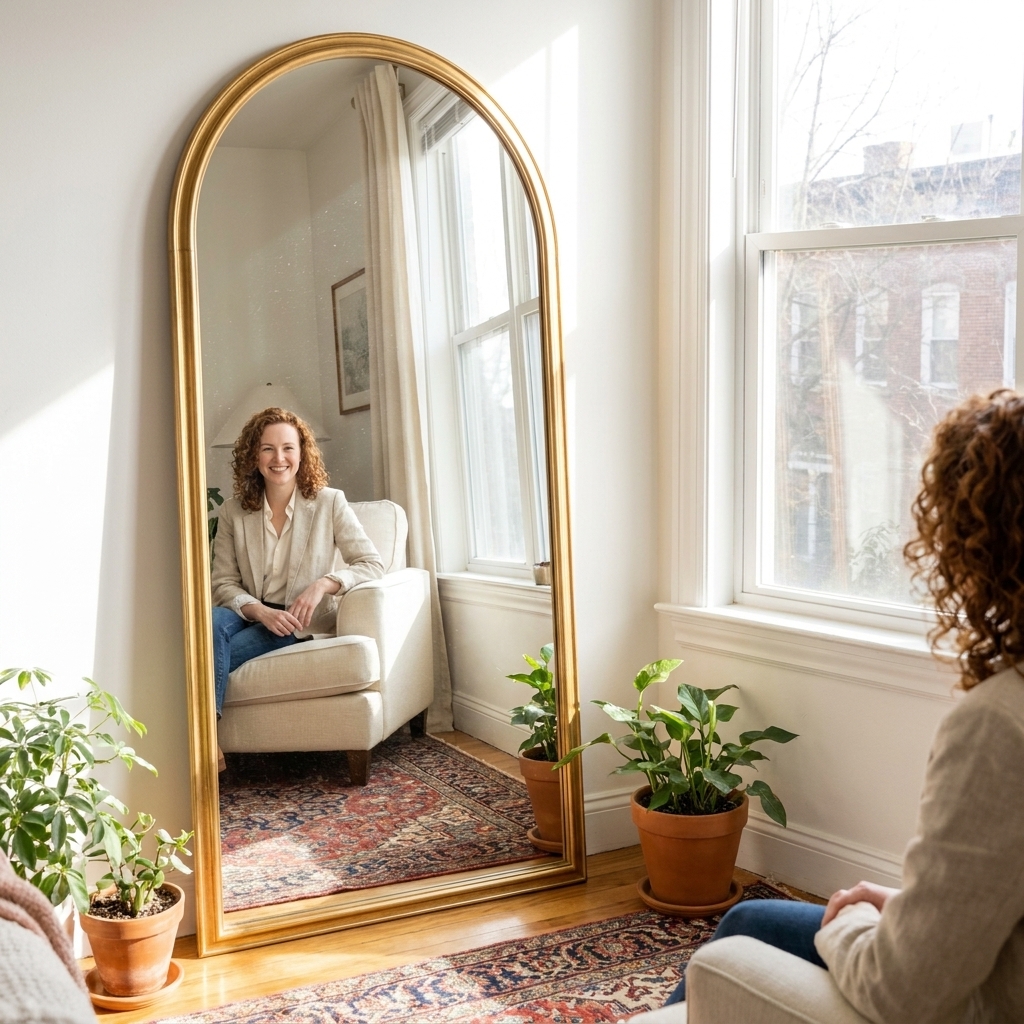
Before you hang anything: the 30-second mirror test
Stand where you most often experience the room, usually the doorway or the main seat on the sofa. Hold a small mirror up at about eye level and angle it slowly.
- Best reflections: windows, greenery, a pretty lamp glow, artwork, an uncluttered wall.
- Skip reflections: laundry piles, your kitchen sink, a busy TV wall, the underside of a ceiling fan.
If the mirror is going to double something, make sure it is something you actually want doubled.
1) Opposite a window
If you do only one thing, do this. Hanging a mirror directly across from a window can bounce daylight deeper into the room and make the whole space feel more open.
One note from experience: test it at a few times of day. What looks dreamy at 10 a.m. can turn into glare at 4 p.m.
Make it work
- Go as large as you comfortably can. Bigger mirror, bigger “second window” effect.
- As a starting point, I usually place the mirror’s center around 57 inches from the floor, then adjust for mirror size, ceiling height, and who lives there.
- If glare is an issue, shift the mirror slightly off-axis from direct sunlight.
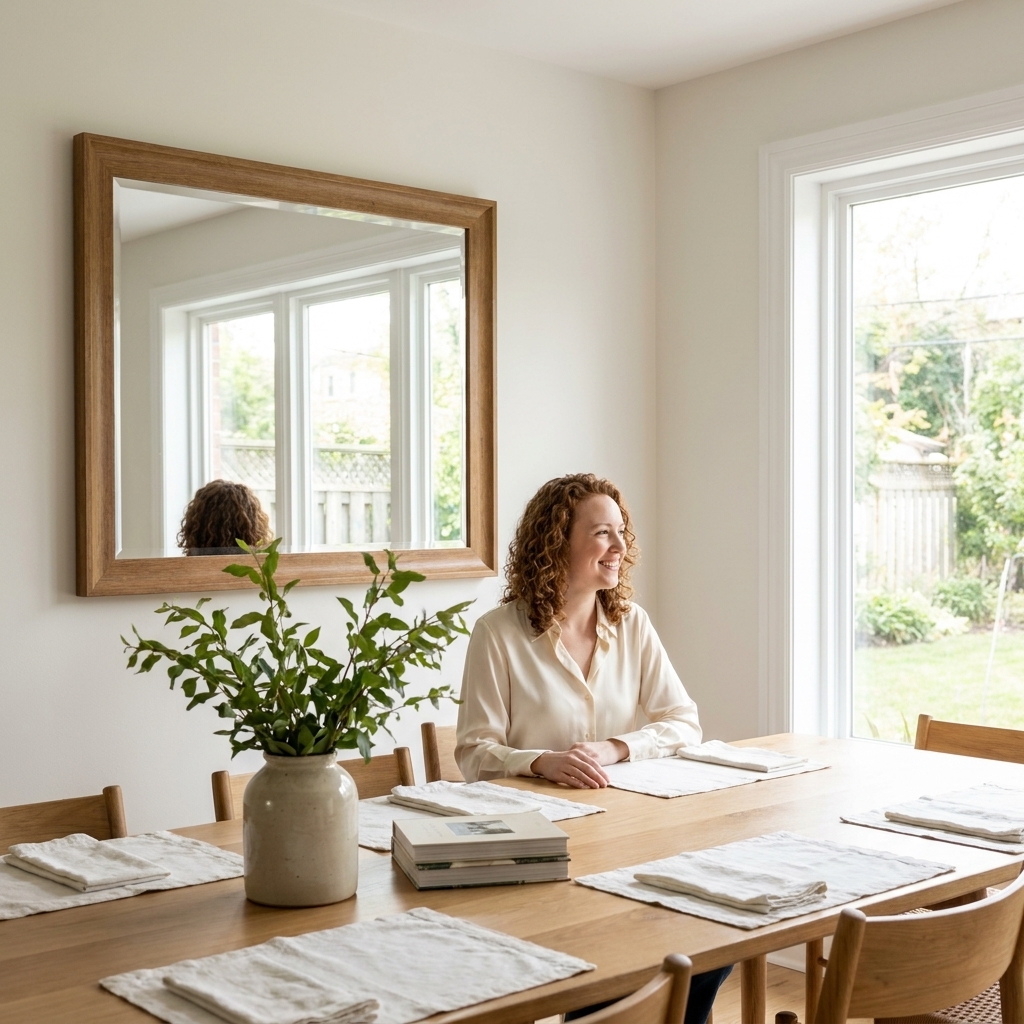
2) Next to a window
Sometimes opposite the window is not possible because of a doorway, fireplace, or built-ins. Placing a mirror adjacent to the window still boosts light, but feels more integrated and less “mirror as a second window.”
Where it shines
- Narrow living rooms where the window wall is already busy with curtains.
- Bedrooms where you want softness, not a strong reflection directly facing you.
- Any room where you want to widen one side visually.
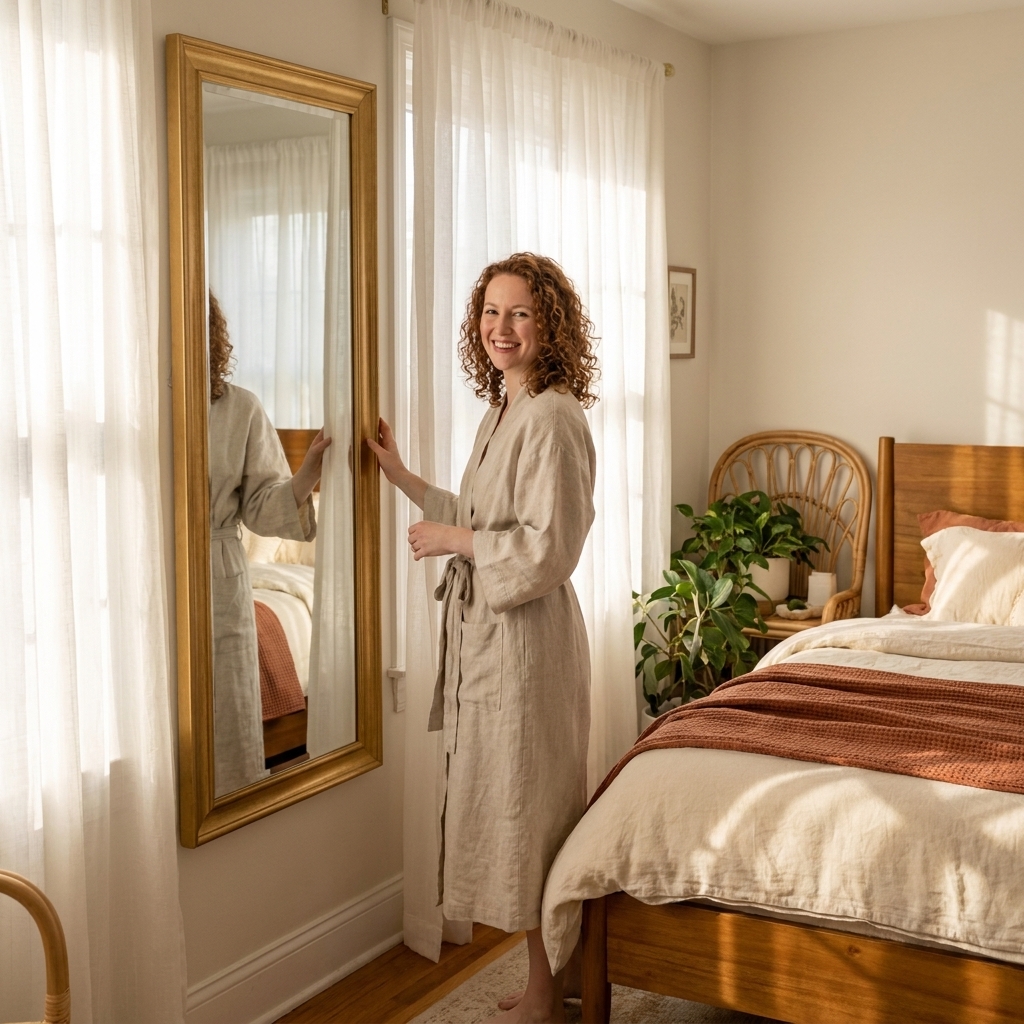
3) At the end of a hallway
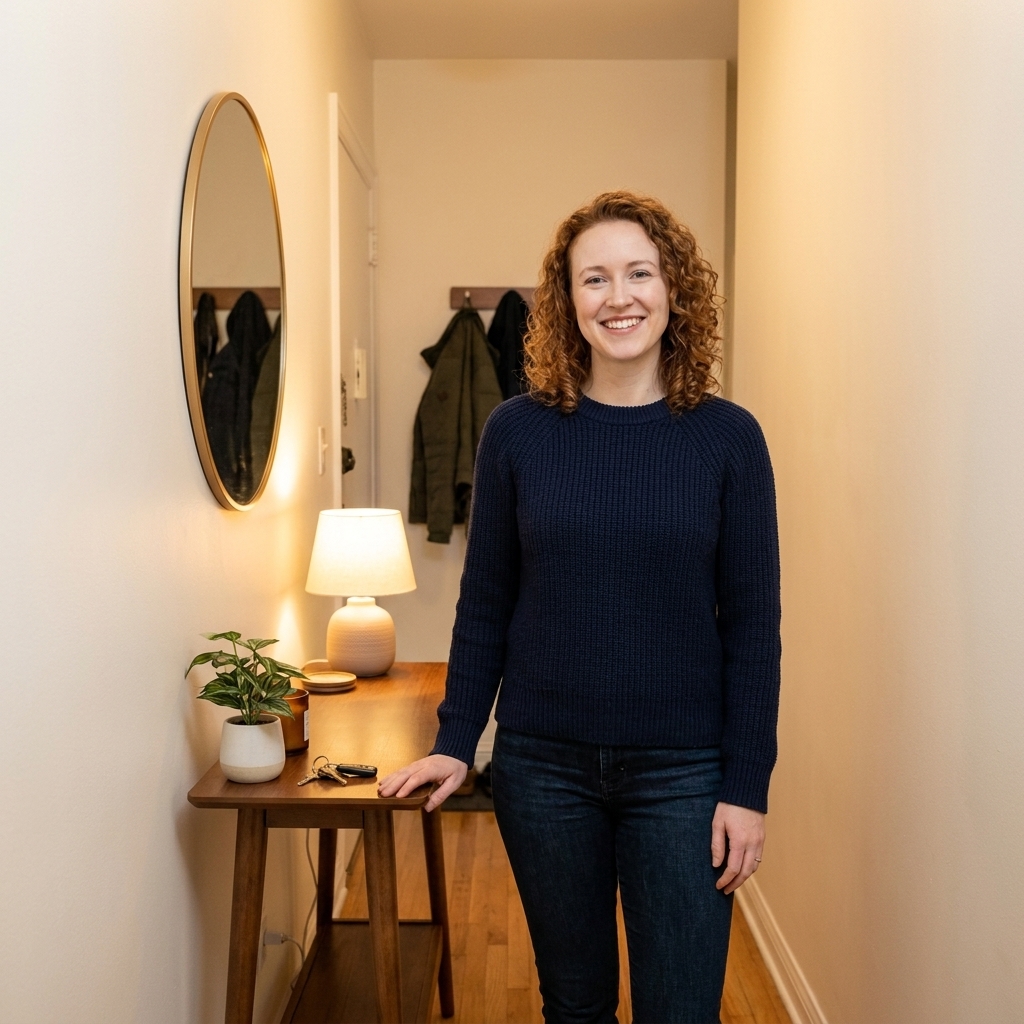
Hallways can feel like tunnels, especially if they are long and not well lit. A mirror at the far end creates a visual continuation, which can make the space feel longer and more intentional.
If your hallway is especially narrow, choose a frame with presence (or pair it with a small picture light) so it clearly reads as a mirror, not a surprise “second corridor” at night.
Styling tip
Pair the mirror with a slim console or floating shelf underneath, plus a small lamp. That warm pool of light at the end of the hall is incredibly welcoming after dark.
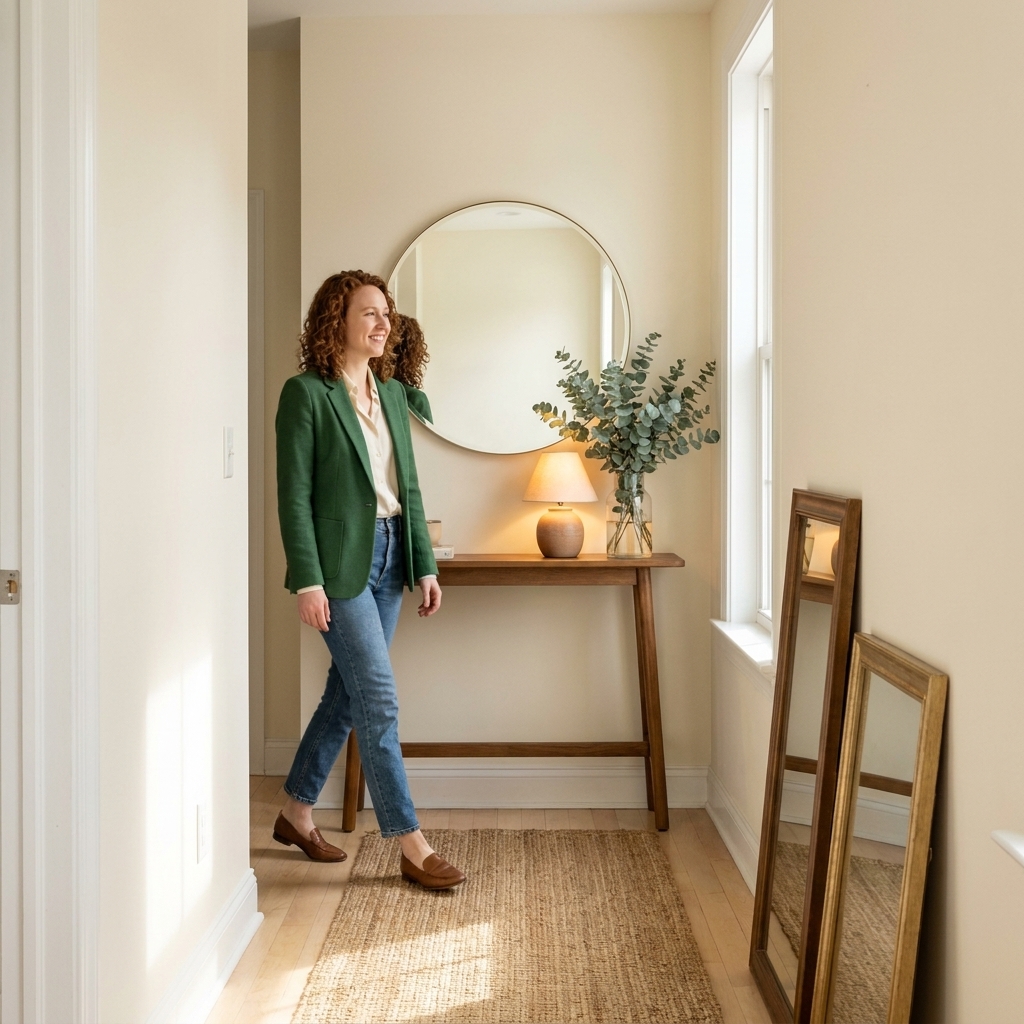
4) Behind a table lamp
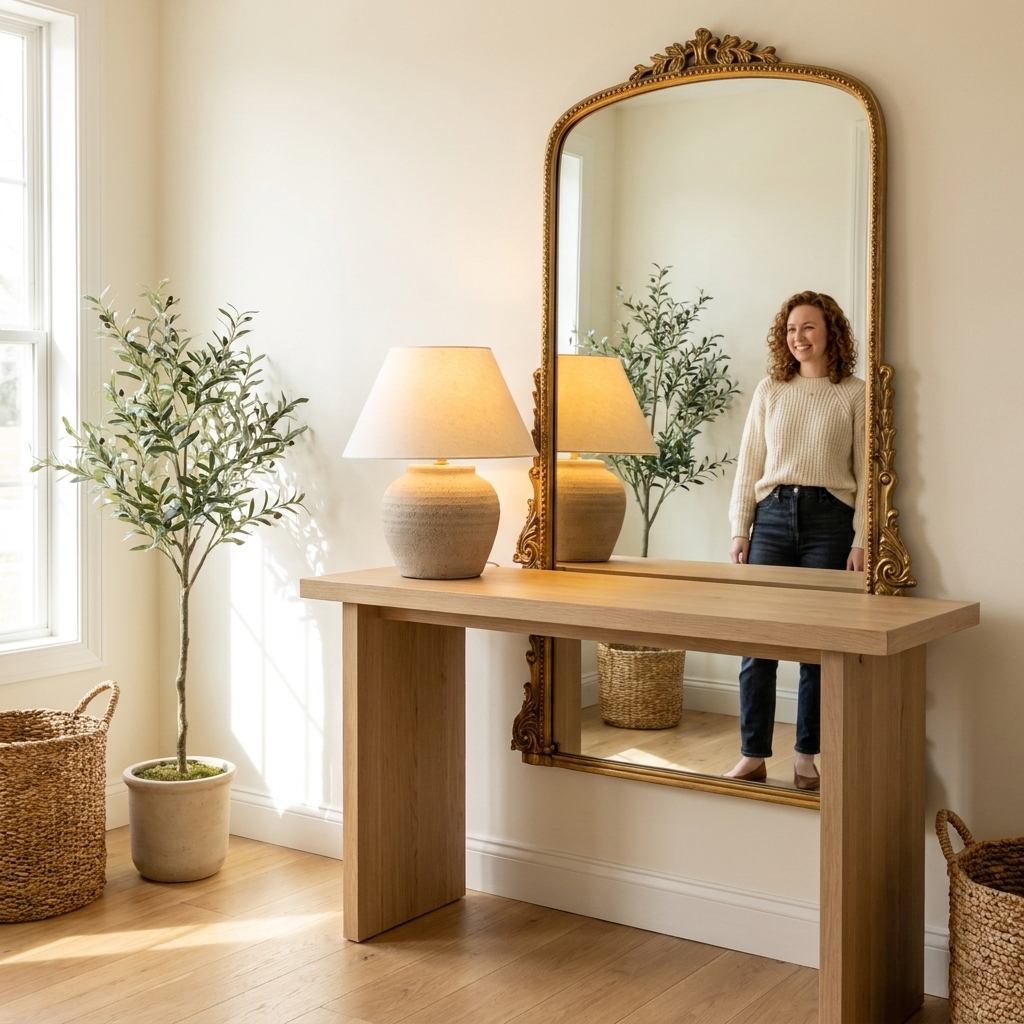
This is my favorite low-effort trick for making a room feel brighter after sunset. Place a mirror behind a table lamp on a console, buffet, or nightstand. The mirror reflects and amplifies the lamp’s glow, making the lighting feel richer and more layered.
Why it works
- It increases perceived brightness without harsher bulbs.
- It adds depth to vignettes, especially on narrow surfaces.
- It reads polished, like boutique-hotel styling.
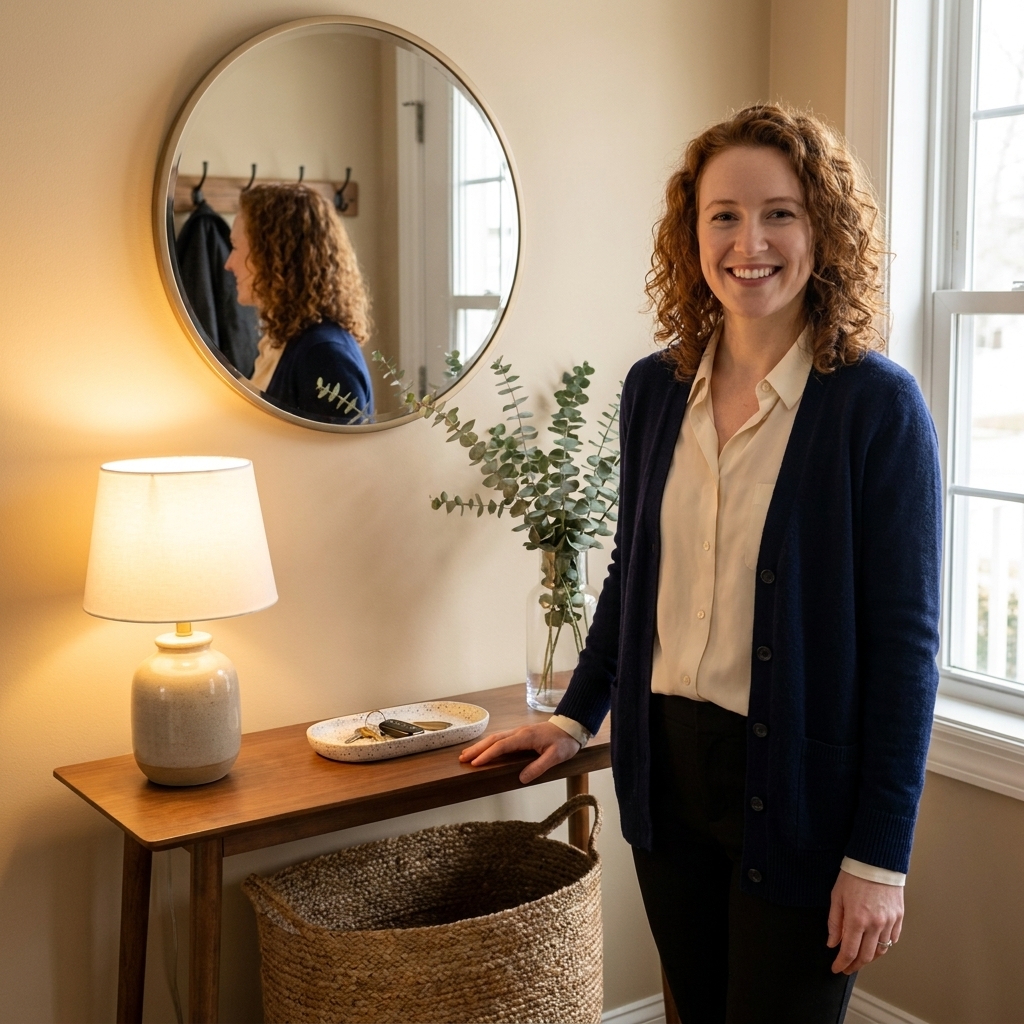
5) Over an entry console
An entry can be tiny and still feel generous. A mirror above a console gives you a last look before you leave, reflects light from nearby rooms, and creates a strong focal point the moment you walk in.
Proportions that look right
- Aim for a mirror that is about two-thirds to three-quarters the width of the console.
- Hang it so the bottom sits about 6 to 8 inches above the surface.
Installation matters here. If the mirror is heavy or in a high-traffic spot, use the appropriate anchors (or hit studs) and hardware rated for the weight.
6) Leaning floor mirror
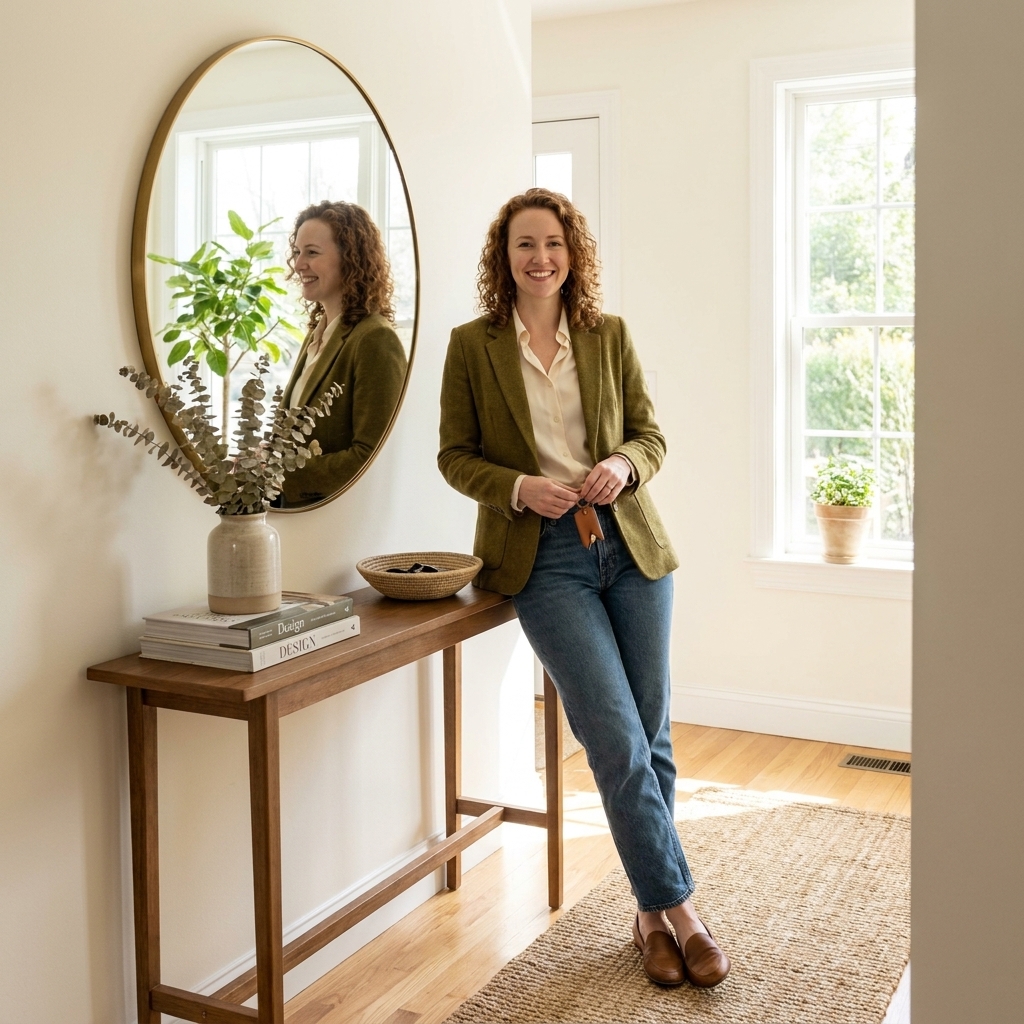
If a room feels short or cramped, go vertical. A leaning floor mirror pulls the eye upward and adds that “extra wall” feeling without committing to holes in drywall. It is also brilliant for rentals.
Safety and placement
- Anchor it with anti-tip hardware if you have kids or pets, even if it is leaning.
- In busy zones, consider a safety-backed mirror (or tempered glass) for extra peace of mind.
- Let it reflect something calm: a window, a plant, a clean stretch of wall.
- Avoid placing it where it reflects a TV head-on unless you like the doubled screen effect.
Also, check the reflection quality before you commit. Large budget mirrors can sometimes distort and create a subtle funhouse effect.
7) In a dining room
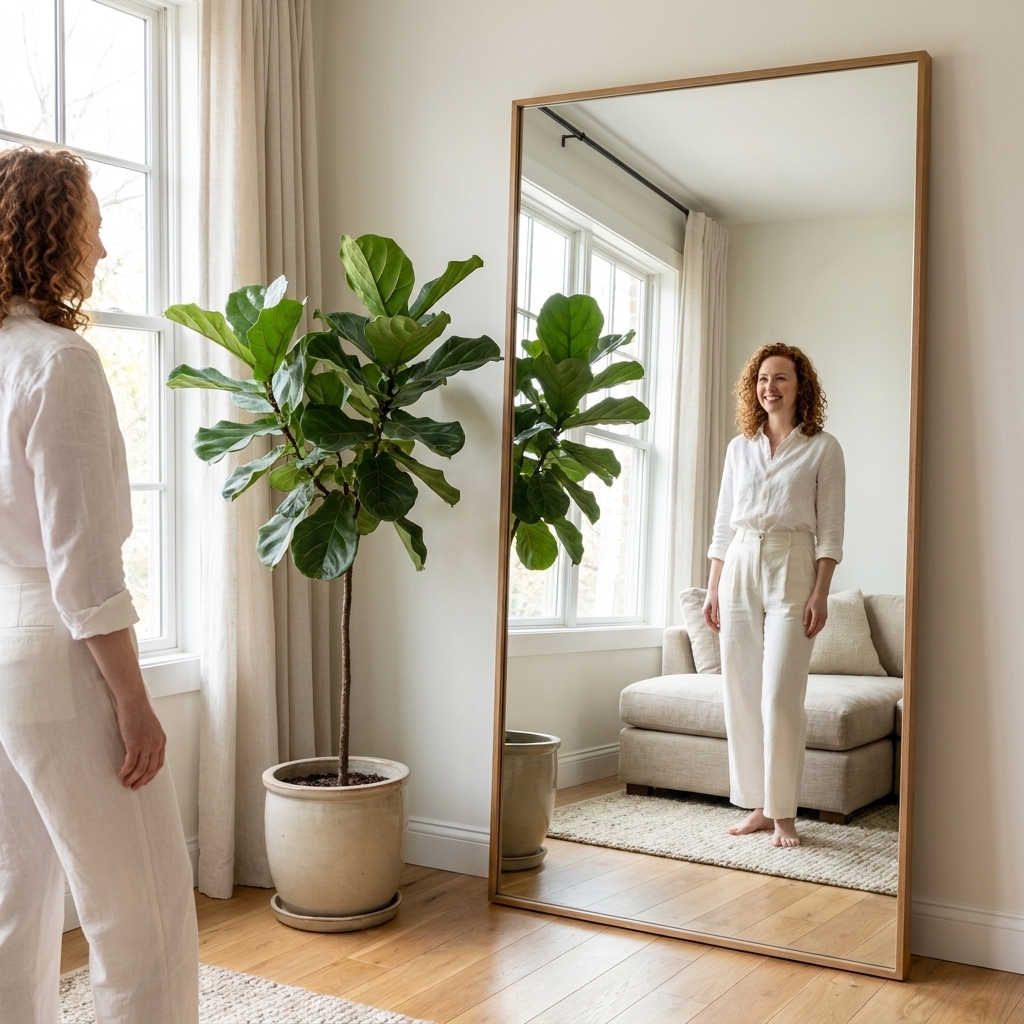
Dining rooms are made for mirrors. Even a modest mirror can make dinner feel more special because it bounces candlelight and chandelier light around the room. This is one of those placements that reads “grown-up” without spending much.
Where to put it
- On the wall parallel to the table, reflecting the centerpiece and glow.
- Behind a buffet or bar cart to add depth and sparkle.

8) Inside built-ins
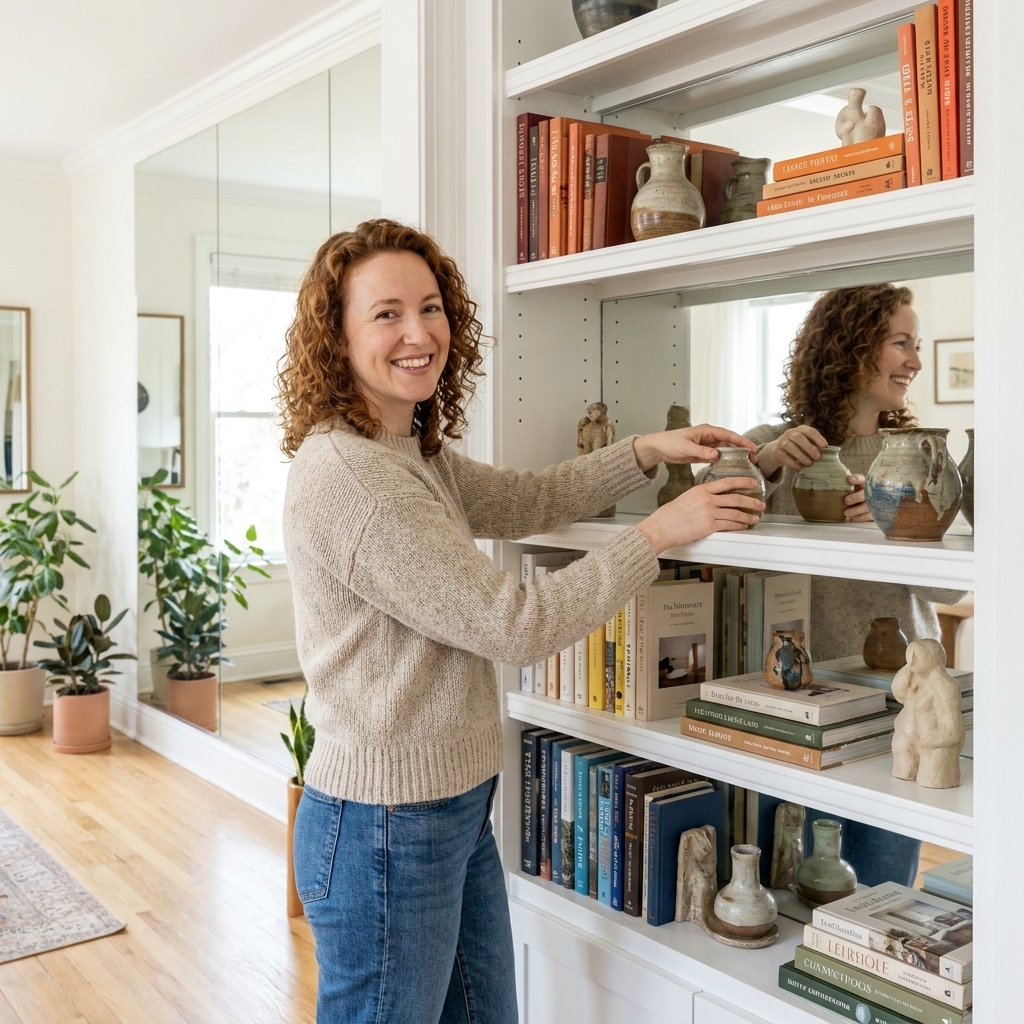
If you have bookcases, niches, or built-ins, consider adding a mirror panel or even a single framed mirror on the back wall. It creates depth behind books and objects, and it helps darker shelving feel less heavy.
Styling notes
- Keep shelf styling slightly simpler, since the reflection visually doubles what you put there.
- Warm lighting helps. A small picture light or puck light looks especially beautiful with mirror backing.
9) Across from a doorway
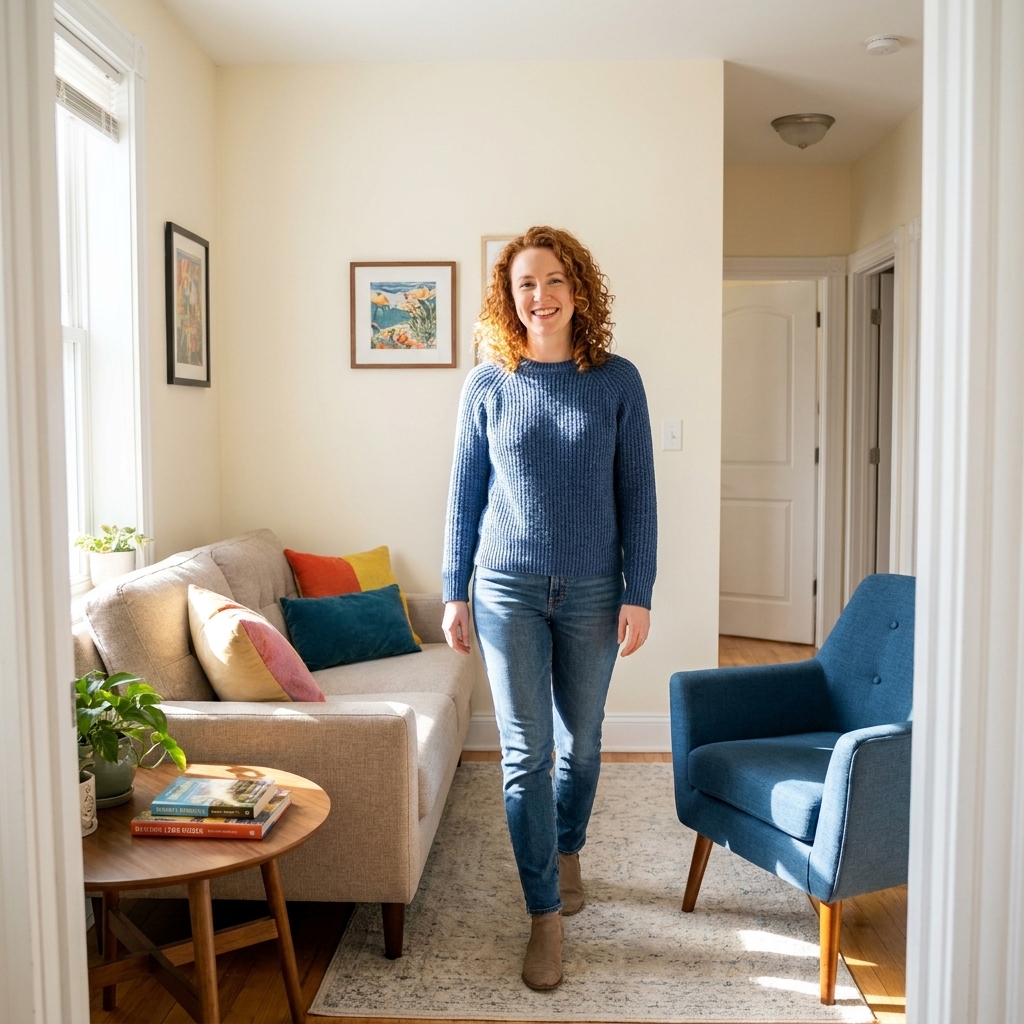
This one is a lifesaver in older homes and apartments where one room gets all the good windows. Place a mirror so it catches light coming through a doorway and sends it into the darker space. Think of it as borrowing sunshine from your neighbor.
Great spots
- A mirror in a dim living room reflecting a brighter adjacent dining area.
- A mirror in a hallway positioned to catch daylight from a bedroom window at the end.
- A mirror in a bedroom reflecting a bright ensuite, and vice versa.
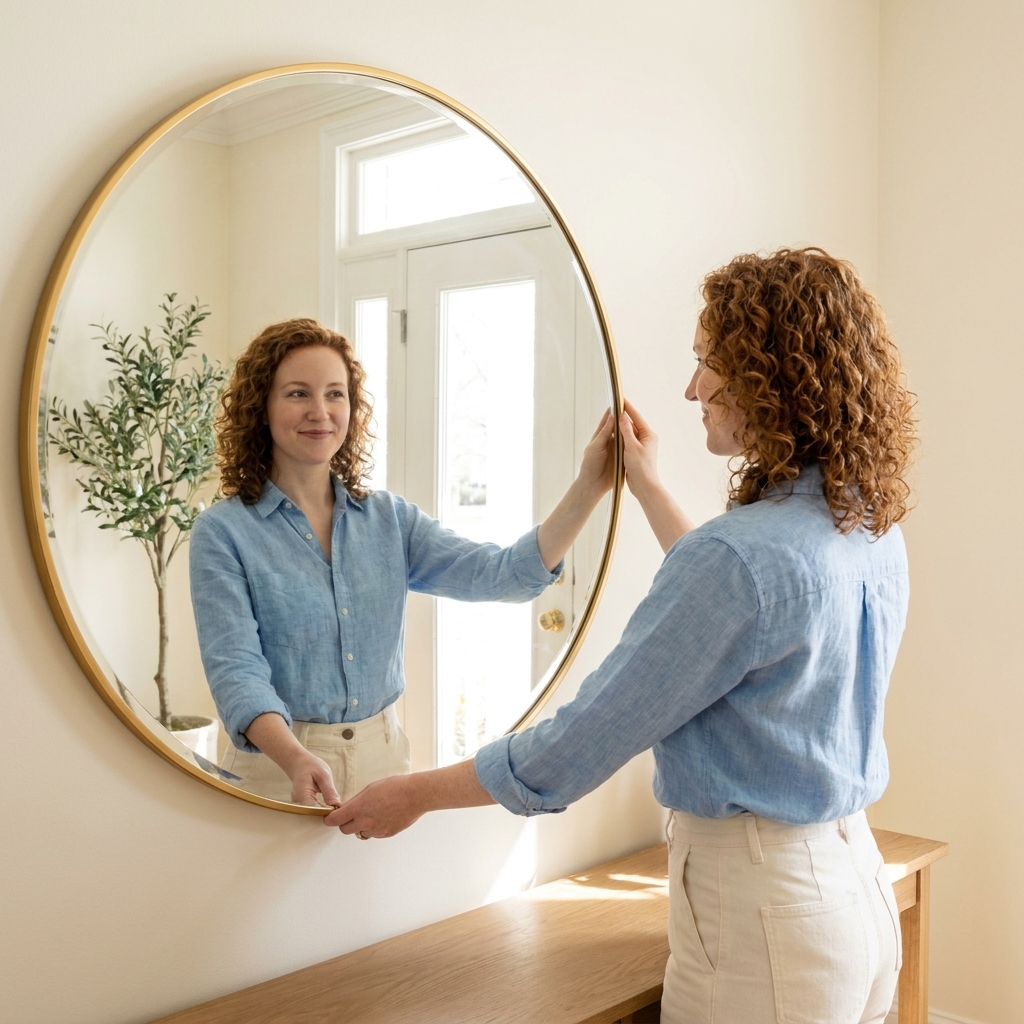
Mirror size and height
Choose scale first
Small mirrors sprinkled around a room can feel fussy. One appropriately large mirror often looks calmer and makes a bigger impact. When in doubt, I tend to size up.
Hang for people
Most mirrors look best when their center lands around eye level. A common starting point is the 57-inch centerline, but it is not a law. Raise or lower based on the mirror’s height, the furniture below it, and how you actually use the room. Exceptions include very tall leaning mirrors and bathroom vanities, where function matters most.
Match shape to the room
- Round and oval: soften boxy rooms, great with lots of straight lines.
- Arched: adds romance and height, especially with warm lighting.
- Rectangular: clean and architectural, perfect for widening a space visually.
Common mirror mistakes
- Reflecting clutter: Tidy the reflected zone, or rotate the mirror a few degrees until it catches something calmer.
- Too high over furniture: Lower it so it relates to the console, dresser, or sofa. The room will instantly feel more grounded.
- Using mirrors as the only light solution: Mirrors help, but they cannot replace layered lighting. Add a warm bulb lamp in a dark corner.
- Overdoing it: In most homes, I find one or two statement mirrors per room is plenty. If everything reflects, nothing feels restful.
FAQ
Should a mirror face a window?
It can, and it is one of the best ways to amplify natural light. If the sun creates harsh glare, shift the mirror slightly to the side of the window or angle it so it reflects the brighter part of the room instead of direct sun. It is worth checking the reflection at different times of day before you hang it permanently.
Do mirrors make a room look bigger?
Yes, when they reflect depth and light. A mirror that reflects a window, an open doorway, or a longer sightline creates the strongest “extra square footage” effect.
What type of mirror is best for a small room?
Large, simple shapes tend to work best, like a tall leaning mirror or a wide rectangular mirror. Thin frames feel lighter visually, while antique or ornate frames add personality if the rest of the room is calm. If you are buying large on a budget, stand at a few angles to check for distortion.
Where should you not place a mirror?
Avoid placing mirrors where they reflect constant mess, harsh ceiling fixtures, or an awkward angle of a TV. Also be cautious with mirrors that face the bed if reflections bother you at night. Some people sleep right through it, others find it distracting, so trust your nervous system.
A final nudge
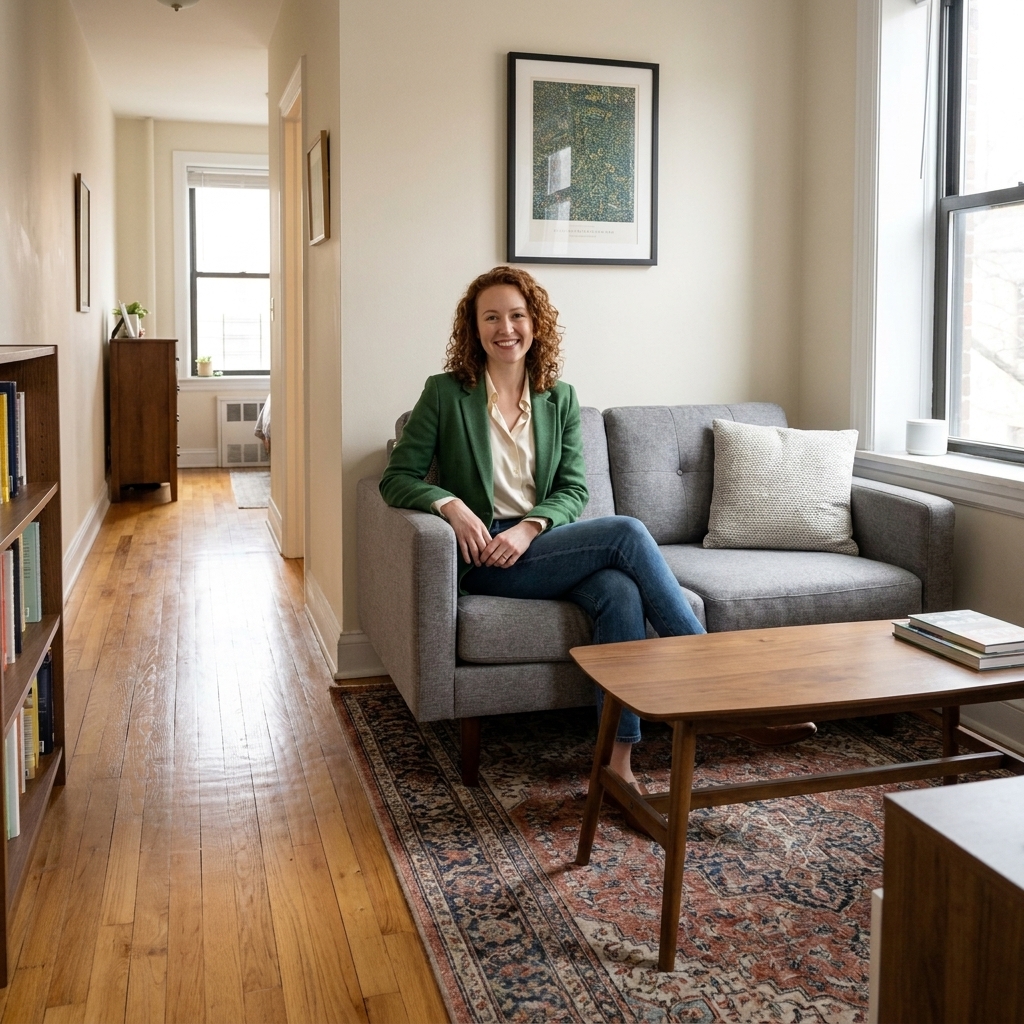
If you are staring at an empty wall and feeling stuck, start with a mirror and treat it like a window you get to place wherever you want. Find the light source, decide what you want to highlight, and let the reflection do the heavy lifting. Add a vintage rug underfoot and a warm lamp nearby, and suddenly the whole room feels like it can exhale.