A designer-friendly approach to defining living and dining areas using rugs, lighting, and strategic furniture placement so your open space feels intentional...
Havitza Home
Area Rug Sizing and Placement Guide
Get area rug sizing right in every room. Learn the best rug dimensions and placement rules for living rooms, bedrooms, dining spaces, kitchens, and runners, plus common mistakes to avoid.

Clara Jenkins
Clara Jenkins is a former theater set designer turned interior styling expert with over a decade of experience transforming everyday spaces into beautiful sanctuaries. Through her work at havitza.com, she shares practical styling tips, accessible furniture layouts, and inspiring color palettes to help anyone create a home they truly love.
Published October 17, 2026
Updated October 17, 2026
In theater, a set never feels believable until the floor is anchored. The right rug does the same thing at home. It tells furniture where to land, defines conversation areas, and softens a room in the most livable way.
This guide walks you through rug sizes that actually work, plus the placements that keep rooms from feeling like your furniture is floating. If you only remember one thing, make it this: when in doubt, go bigger. Most rug regrets come from choosing a rug that is just a little too small.
Before you buy: 3 rules to avoid common rug mistakes
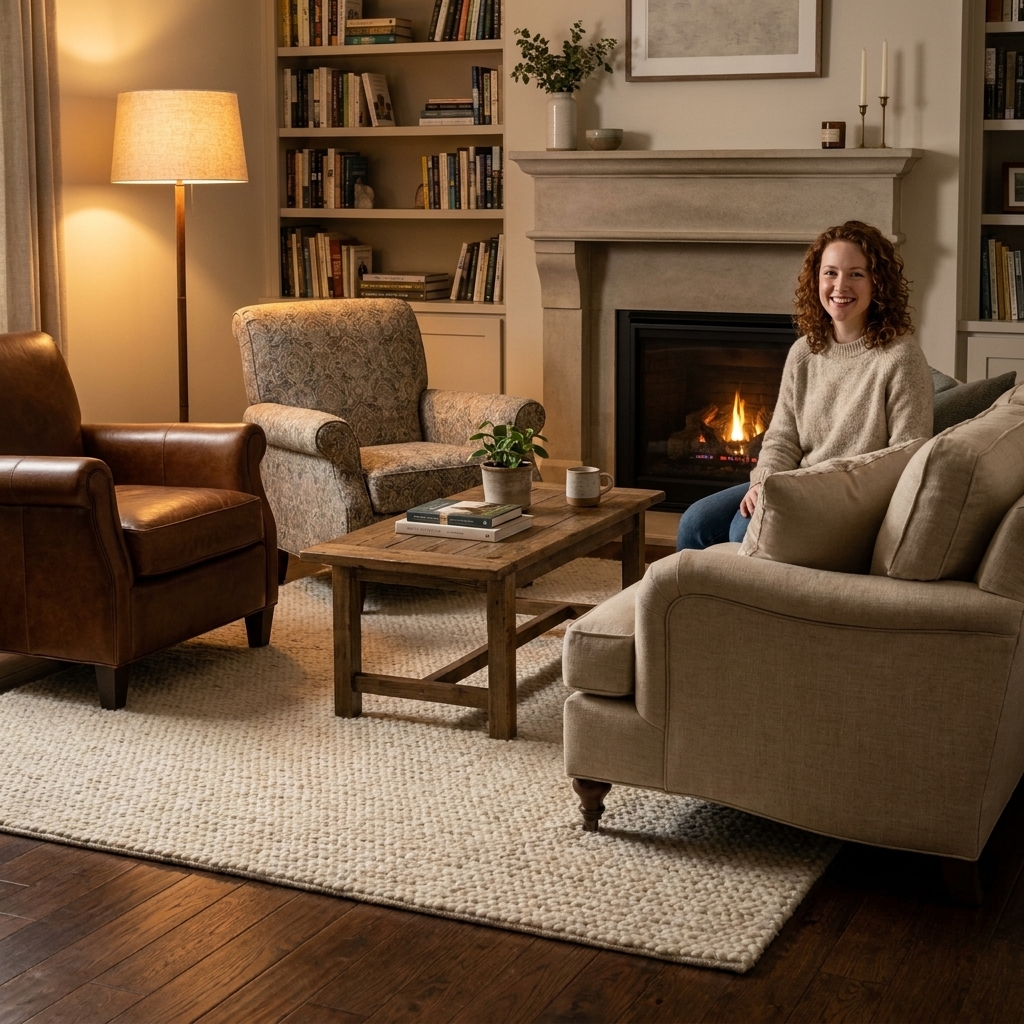
1) Anchor at least the front legs
In most rooms, you want the rug to catch the front legs of the main seating pieces or the bed. This simple visual trick makes the layout feel connected rather than scattered.
2) Leave a clean border at the edges
A rug looks most polished when it has breathing room. As a rule of thumb, aim for about 8 to 18 inches of bare floor between the rug edge and the wall. In small rooms, you may be closer to 8 to 10 inches. In larger rooms, 12 to 18 inches tends to feel balanced.
3) Decide what you are anchoring
Every rug should have a job. Usually, it is one of these:
- Seating zone (living room, family room, reading nook)
- Sleeping zone (bedroom)
- Dining zone (table and chairs together)
- Pathway (hall, galley kitchen, entry runner)
If you cannot clearly say what the rug is anchoring, you are more likely to pick the wrong size.
How to measure for a rug in 5 minutes
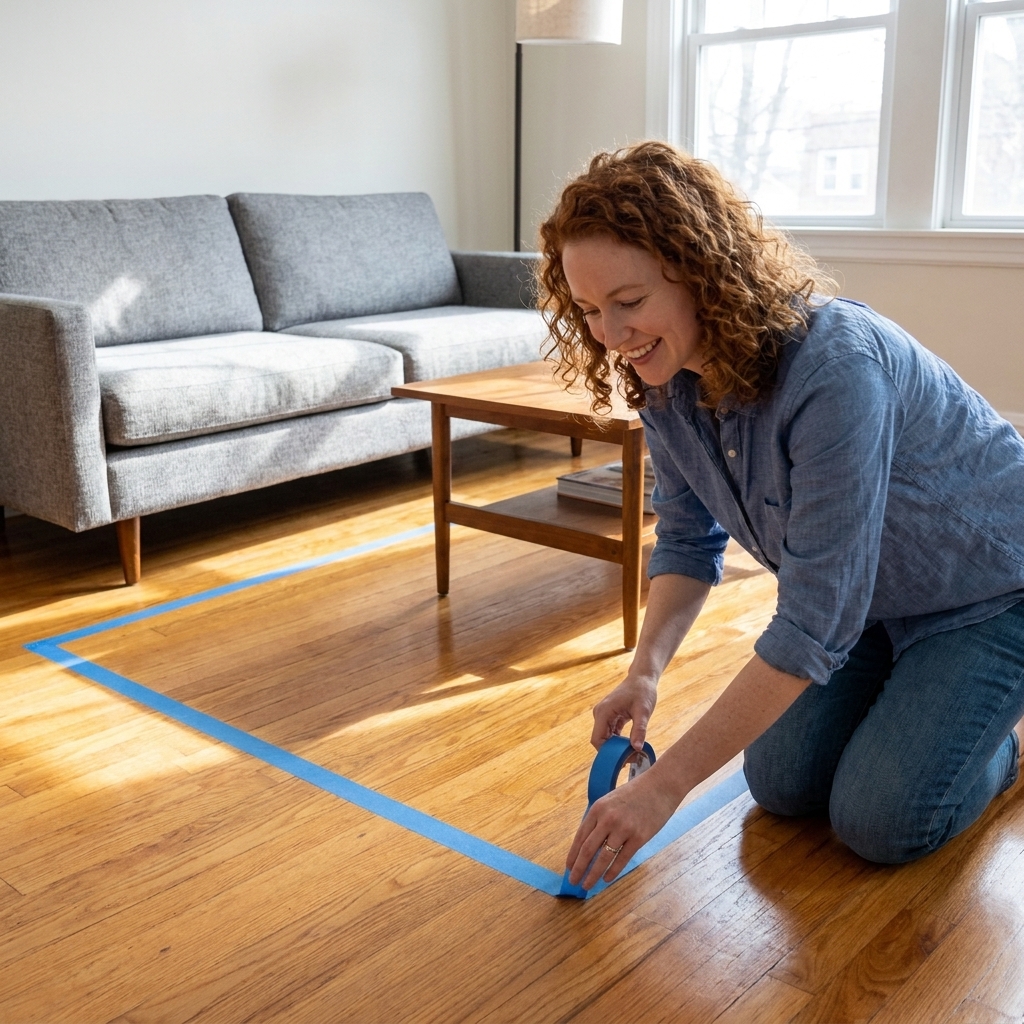
My favorite low-stress method is the painter’s tape audition.
Measure your furniture grouping (sofa plus chairs, or bed plus nightstands, or dining table plus chair pull-back space).
Tape the rug outline on the floor in the size you are considering.
Walk around it. Open drawers. Pull out dining chairs. Make sure paths still feel comfortable.
Check leg placement. For seating, confirm the front legs land on the taped rug. For dining, confirm chairs stay on the taped rug when pulled back.
Then pick the size. If you are torn between two sizes and the larger fits the room, choose the larger.
Living room rug sizing and placement
The living room is where rug scale matters most because it controls the whole seating zone. A too-small rug can make even great furniture look awkward and temporary.
Best placements
- All legs on the rug: The most finished look, best for larger rooms. The rug sits under the full seating arrangement.
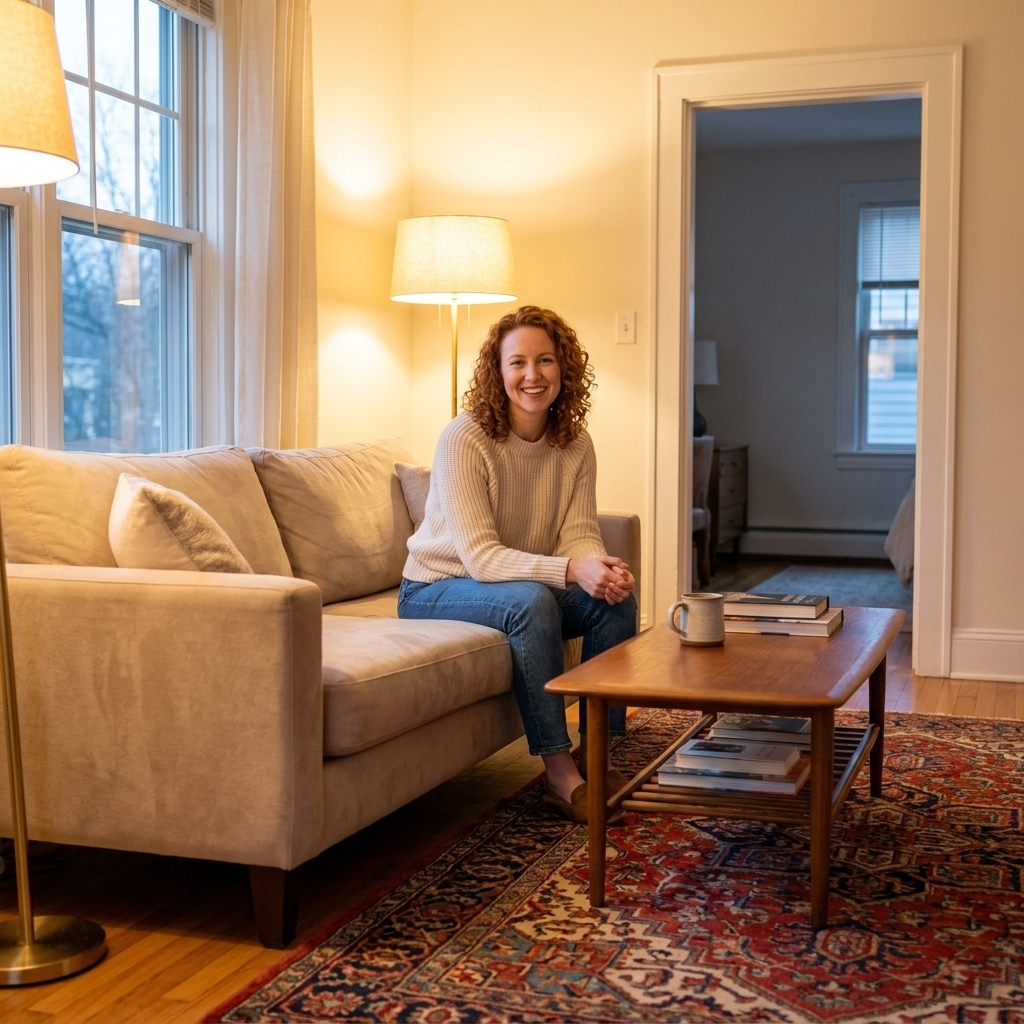
- Front legs on the rug: The most common and usually the sweet spot. Sofa and chairs place their front legs on the rug, back legs off.
- Floating rug (coffee table only): Only works in very small rooms or when layering. If your sofa and chairs sit too far back, it can look disconnected, so keep seating pulled in close to the table.
Common living room sizes
Exact rug size depends on your room and furniture, but these are reliable starting points:
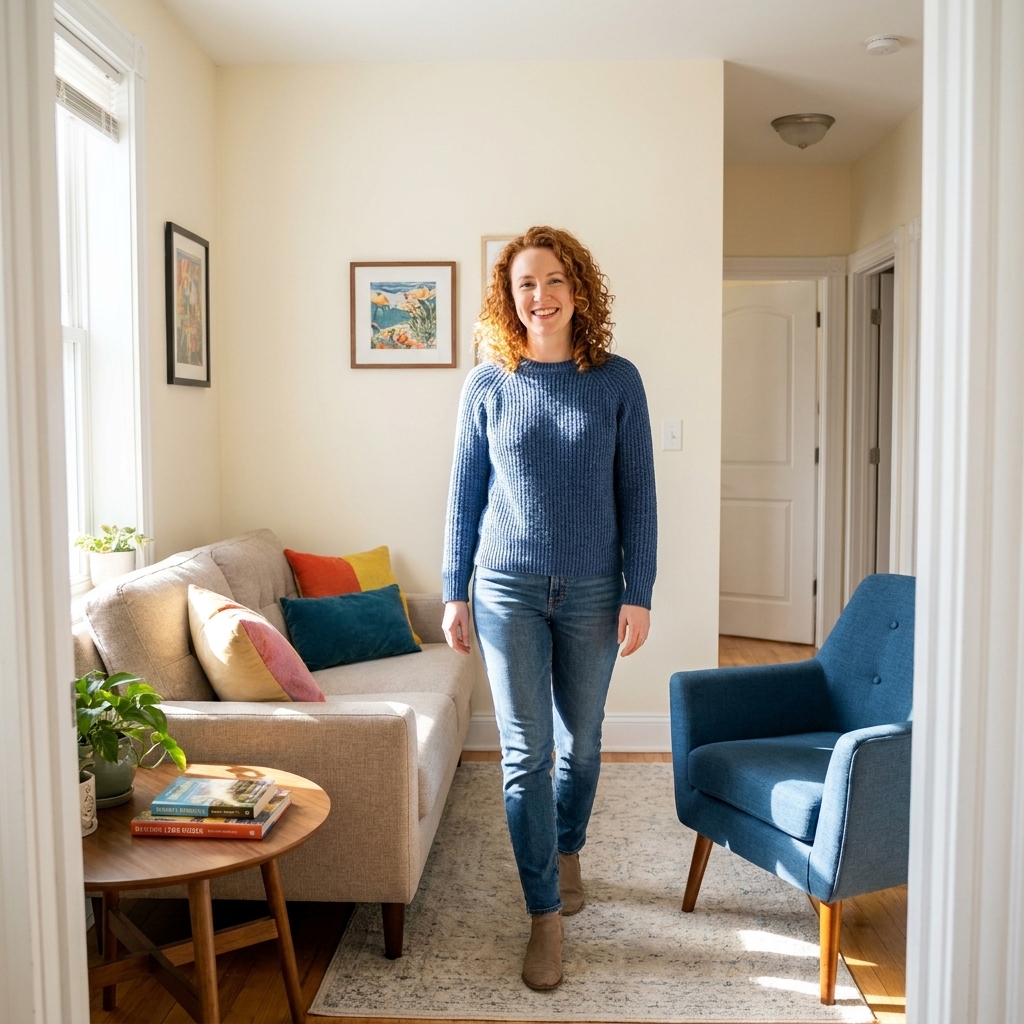
- 5' x 8': Small seating areas, apartment living rooms, or a compact loveseat setup. Works best when furniture legs are close to the rug edge, not stranded far away.
- 8' x 10': A classic for most standard living rooms. Usually fits front legs of sofa and chairs with a comfortable border.
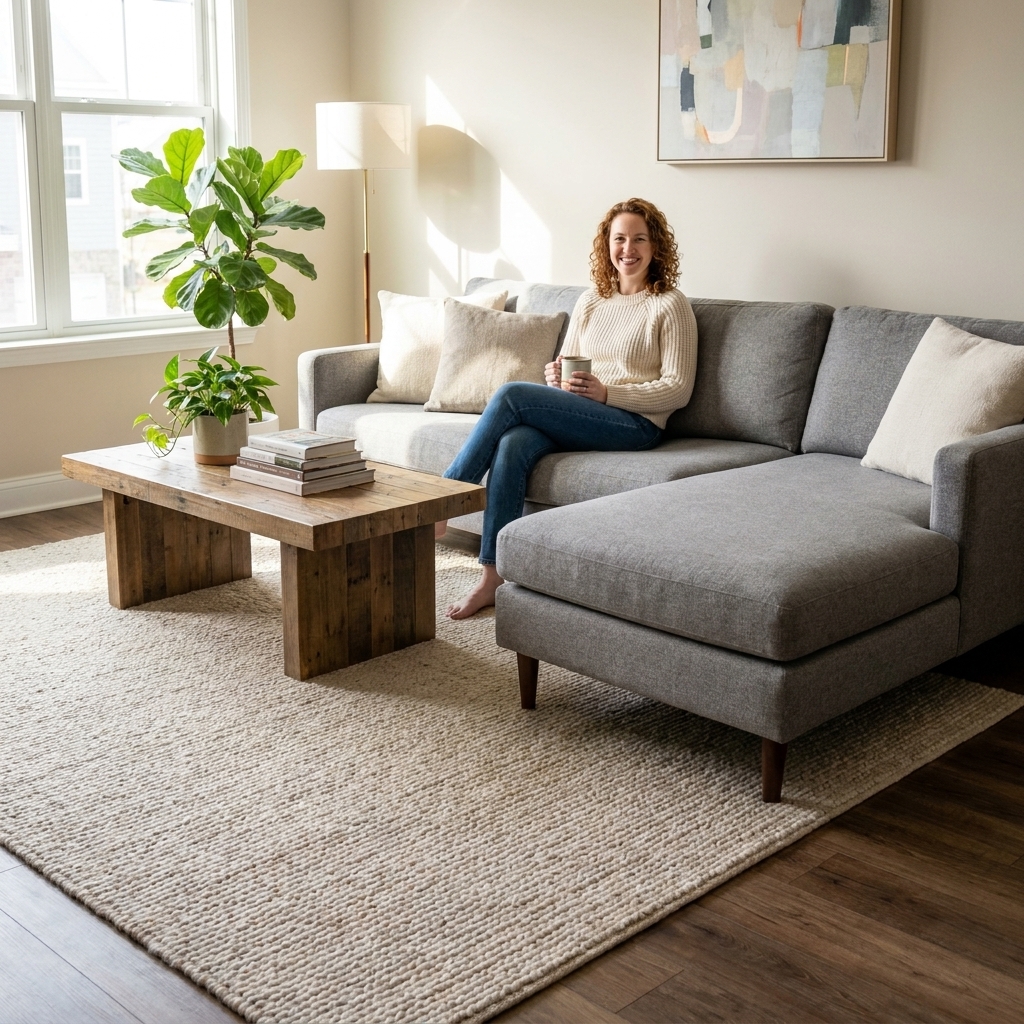
- 9' x 12': Great for larger rooms or sectionals. Helps a big layout feel calm and grounded.
- 10' x 14': For truly spacious rooms, open concepts, or when you want all legs on.
Quick visual checks
- Try to keep at least 6 to 8 inches of rug showing on either side of a sofa.
- Make sure the rug extends beyond the coffee table so the table does not look perched on a postage stamp.
- If you have a sectional, the rug should generally be wide enough to cover the L zone rather than stopping short under one side.
Bedroom rug sizing and placement
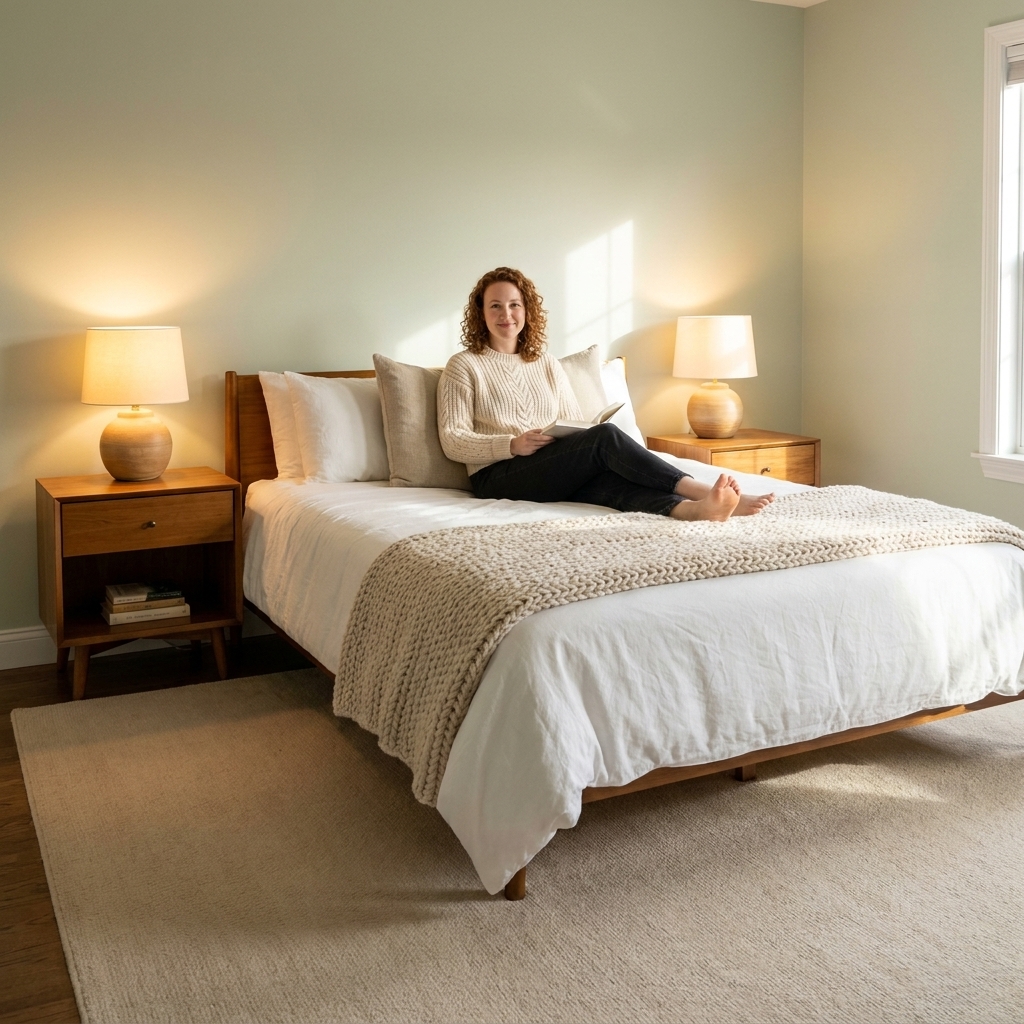
Bedrooms should feel soft the second your feet touch the floor. The goal is simple: give yourself a generous landing zone on both sides of the bed.
Best option: rug under the bed
Place the rug so it starts just in front of the nightstands, or under the front legs if that is how yours are positioned, then runs under the bed and extends out on both sides and at the foot.
What size rug for your bed?
- Twin bed: 5' x 8' often works, or use runners on both sides for a budget-friendly option.
- Full bed: 6' x 9', or a more commonly stocked 5' x 8' (smaller) or 8' x 10' (roomier), depending on your space.
- Queen bed: 8' x 10' is the most common feels-right choice. 9' x 12' is gorgeous if your room can handle it.
- King bed: 9' x 12' is usually the standard. In larger rooms, 10' x 14' can look incredible.
Alternative: two runners
If your bedroom is tight or you are working with a smaller budget, two runners, one on each side, can still deliver that cozy, grounded feeling. Choose runners long enough to cover where you step in and out of bed.
Common bedroom mistakes
- Rug too small at the sides: If only a sliver peeks out, it can look accidental.
- Rug pushed too far under the bed: You want the rug to show at the foot and sides, not disappear.
- High-pile rugs that fight doors: If your door drags, switch to a lower pile or adjust placement.
Dining room rug sizing and placement
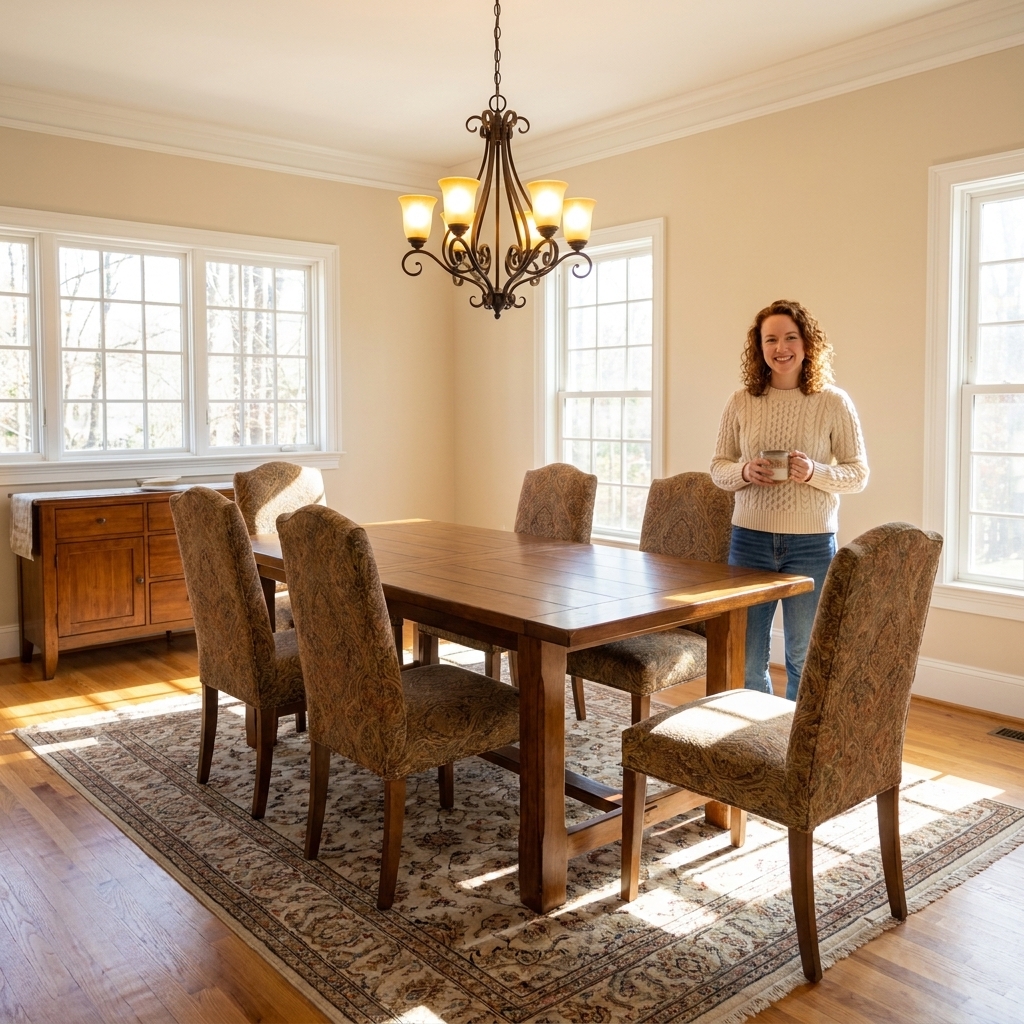
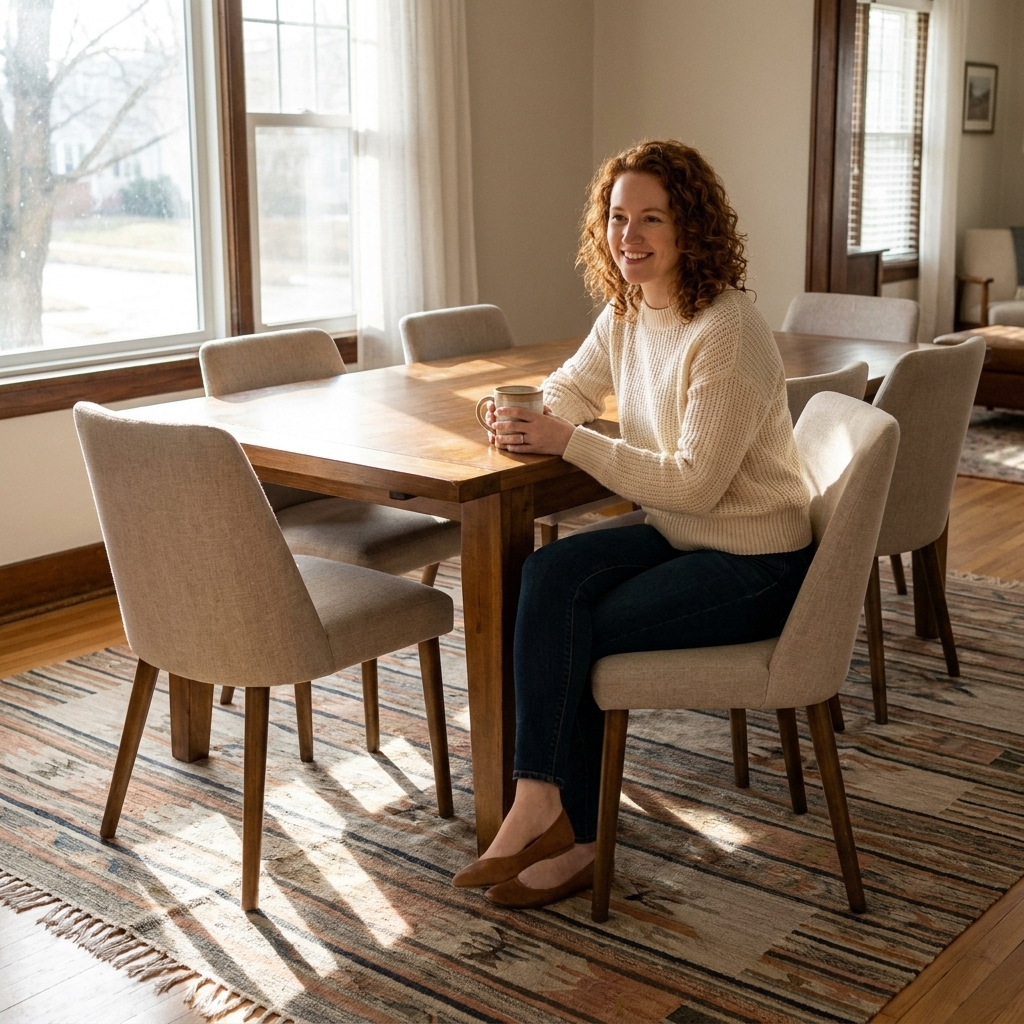
Dining rugs have one non-negotiable job: the chairs must stay on the rug even when someone scoots back to stand up. If chair legs catch the rug edge, the whole room feels fussy.
The chair rule
As a starting point, choose a rug that extends at least 24 inches beyond the table edge on all sides. If you have larger chairs, kids who push back with enthusiasm, or guests who love to linger, 30 inches is often more comfortable. Your chair size and how far people naturally scoot is the real boss here, so test it with painter’s tape if you can.
Shape matters
- Rectangular table: Rectangular rug looks cleanest and easiest.
- Round table: Round rug usually feels best, though a square can work if the room is very square.
- Oval table: Often looks best on a rectangular rug with softened corners, or a slightly oversized rectangle.
What rugs work best under dining tables?
- Low pile or flatweave for easier chair movement.
- Pattern that hides crumbs and everyday life gracefully.
- Rug pad is essential so the rug does not creep when chairs move.
Kitchen rugs and runners
Kitchens are hard-working spaces, so your rug choices should be practical first and pretty second. The sweet spot is something low-profile, easy to clean, and sized so you are not constantly catching edges with your toes.
Where rugs work best
- Sink zone: A small mat or runner where you stand most often makes a noticeable difference.
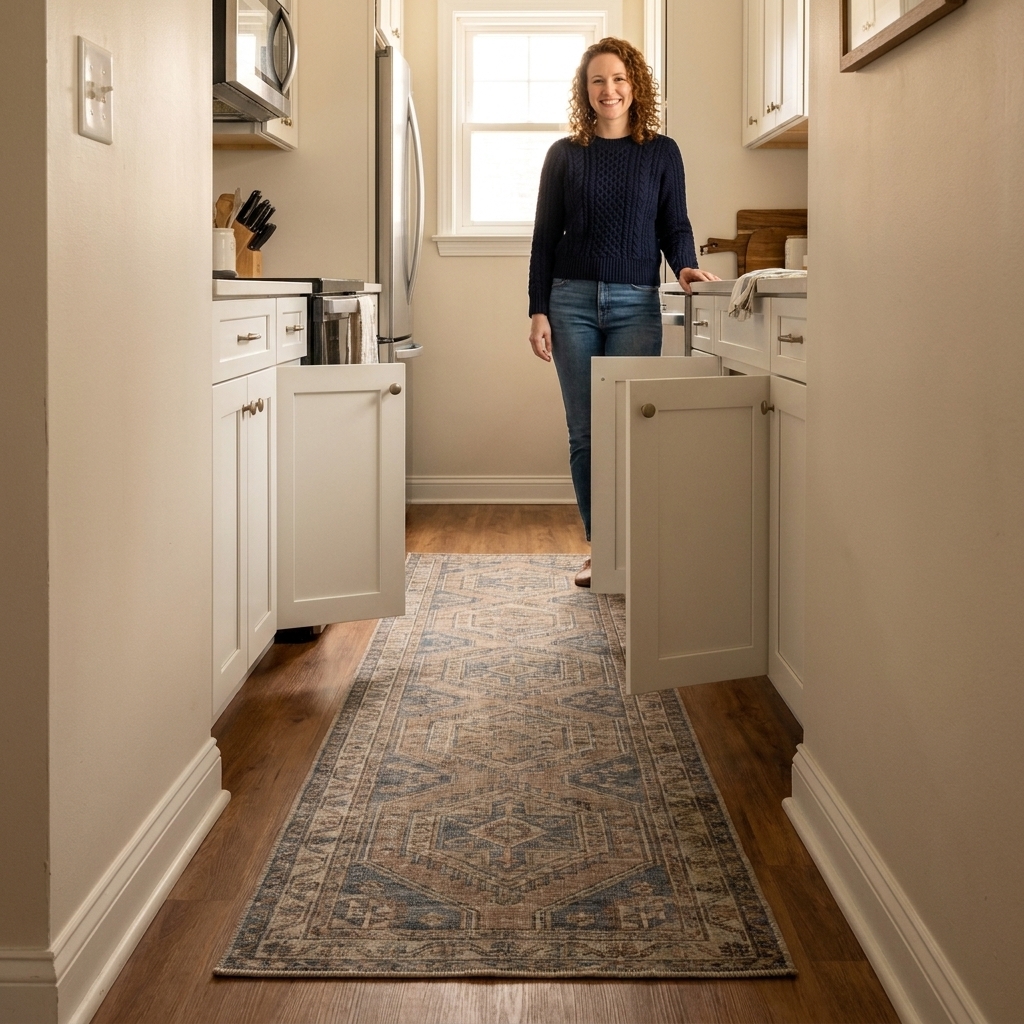
- Galley kitchens: A runner centered down the walkway adds comfort without crowding.
- In front of the range: Fine if it does not interfere with oven doors or become a tripping hazard.
Kitchen sizing tips
- Leave clearance: Make sure appliance doors and cabinets open freely. If you feel any drag, go thinner or go smaller.
- Keep margins even: In a galley, aim for a few inches of floor showing on both sides so it looks intentional.
- Choose washable or wipeable: Flatweaves and low-pile rugs are usually the least stressful in splash zones.
Entryway and hallway runners
Runners are the unsung heroes of a home. They guide you through space, add softness, and protect high-traffic floors.
Runner sizing tips
- Entryway: Leave a small border of floor all around. Make sure the door clears the rug without catching.
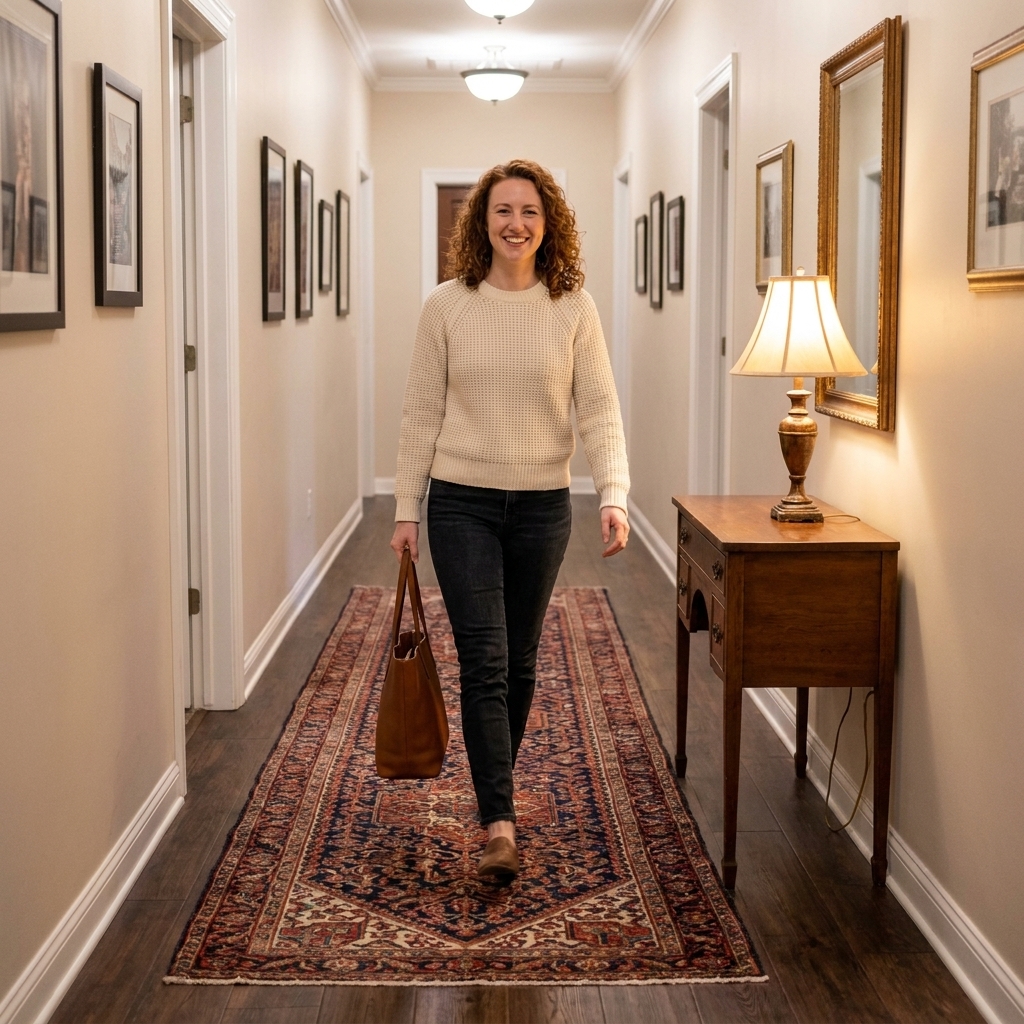
- Hallway: A runner should feel centered with consistent margins on both sides. As a rule of thumb, leave 3 to 6 inches of floor showing on each side for a tailored look, adjusting for very narrow halls.
- Length: Longer almost always looks better than shorter. Aim to fill the hallway without kissing the walls at either end.
Layering rugs
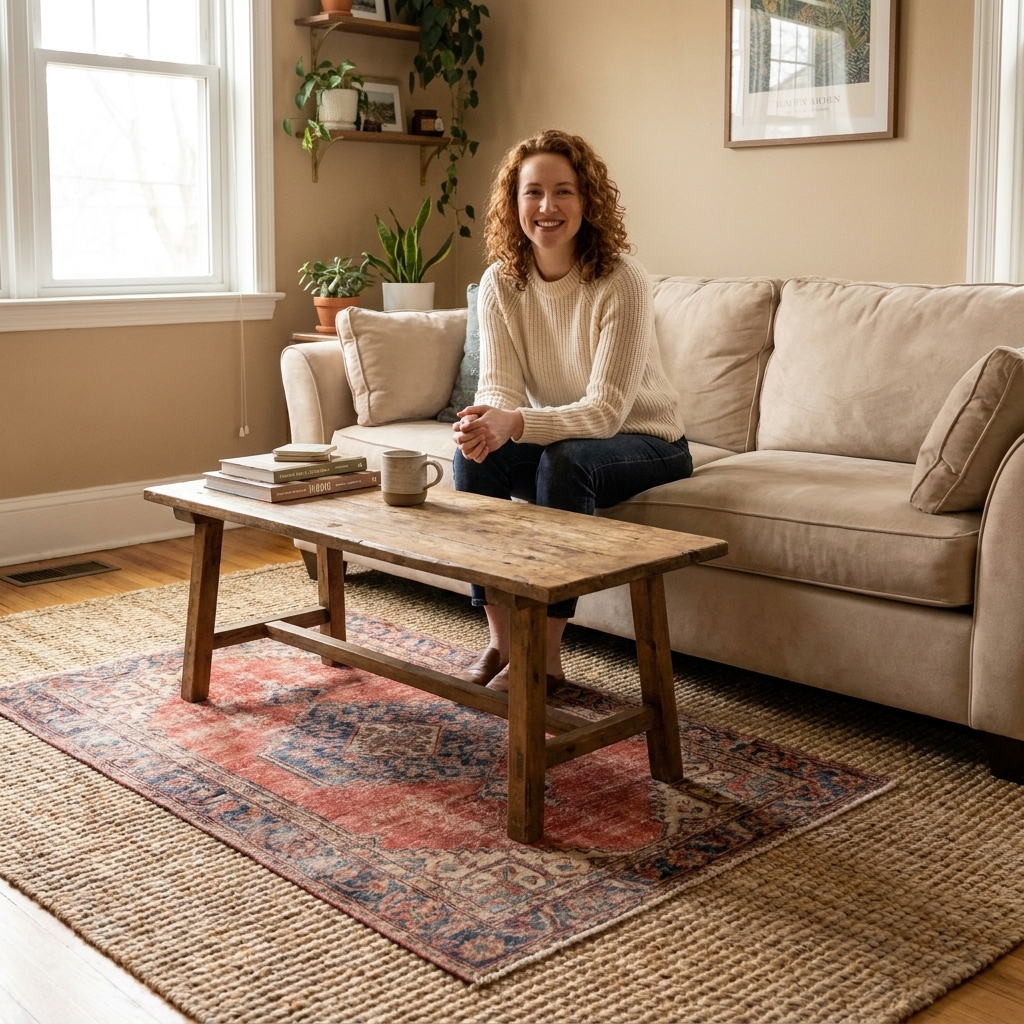
Layering is one of my favorite theater tricks to bring into real homes because it adds depth and softness fast. The key is contrast and clear intent.
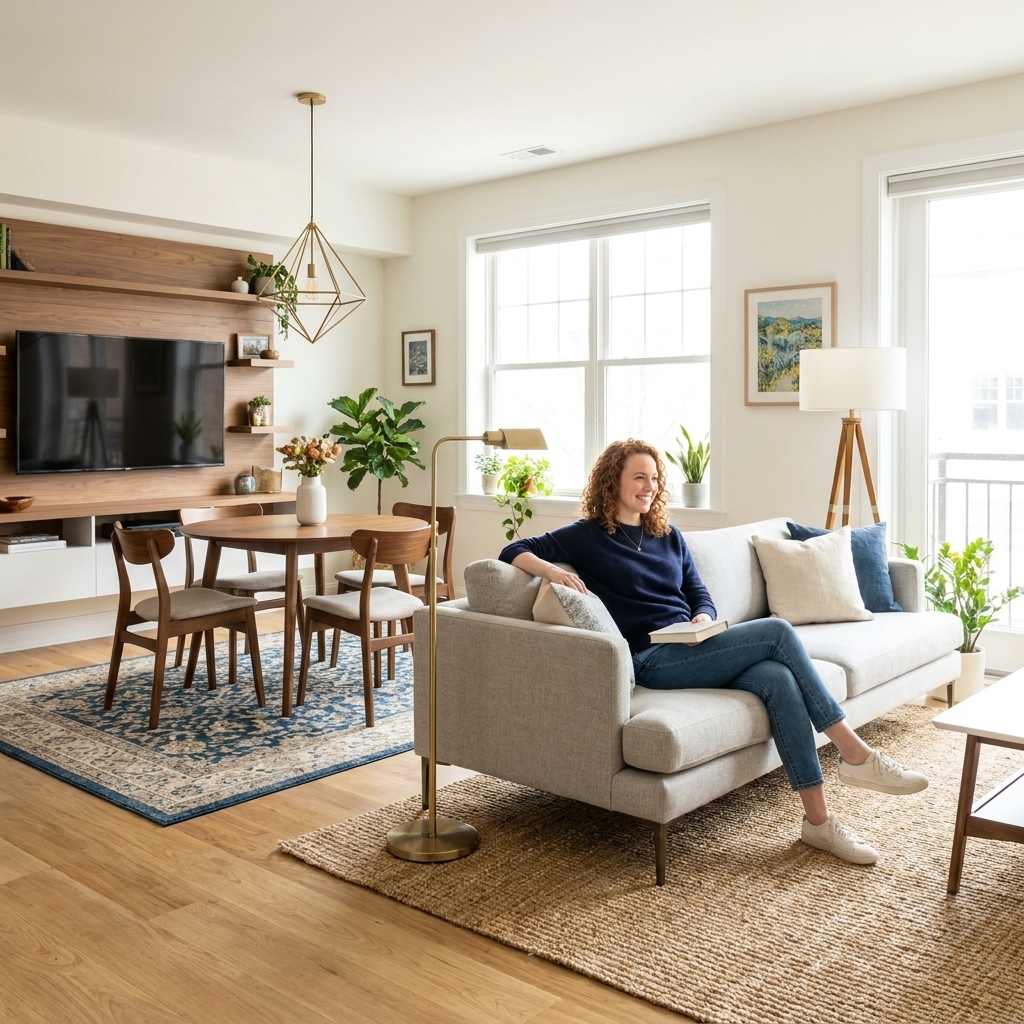
- Start with a simple base: A jute, sisal, or flatweave rug in a larger size sets the stage.
- Top with personality: A smaller vintage rug or patterned accent rug goes on top, typically centered under the coffee table or at the foot of the bed.
- Keep edges calm: Align the top rug so it looks purposefully placed, not slightly crooked or too tiny.
Materials and pile: quick picks by room
Size gets most of the attention, but texture and fiber do a lot of the day-to-day heavy lifting. Here is the fast, real-life version.
- Living rooms: Wool is the classic for a reason: it wears well and feels good underfoot. If you have kids, pets, or a very tight budget, a quality synthetic can be easier to clean and less precious.
- Bedrooms: You can go plusher here if you want to, as long as doors still swing cleanly. A softer pile can make the whole room feel more forgiving.
- Dining rooms: Flatweave or low pile is usually the least frustrating. Think easy chair glide and fewer crumbs living in the rug.
- Entries and hallways: Low pile, durable fibers, and patterns that forgive. High pile in a high-traffic path rarely stays pretty for long.
Rug pads: the quiet upgrade you will feel daily
If you have ever had a rug that creeps, ripples, or feels thin underfoot, a good pad fixes it.
- Safety: Helps prevent slipping, especially in hallways and entries.
- Comfort: Adds cushion, which makes even a budget rug feel richer.
- Longevity: Reduces friction that wears down fibers over time.
Choose a pad that matches your floor type and keep it slightly smaller than the rug so it stays hidden. Felt-heavy pads add plushness. Rubber or rubber-felt combo pads add grip on hard floors. If you are layering a rug over carpet, look for a pad made for carpet-on-carpet so it does not bunch.
Troubleshooting: quick fixes
My rug keeps sliding
Add a proper rug pad or a grippy underlay. For stubborn corners, rug corner tabs can help.
My living room looks smaller with a rug
Often the rug is too small. A larger rug that tucks under front legs can make the room feel more expansive and intentional.
My dining chairs catch on the rug edge
You need more rug beyond the table. Size up, or switch to a thinner flatweave that chairs glide over more easily.
My bedroom rug does not feel cozy when I get up
Pull the rug out so it extends further on the sides, or add bedside runners to cover your landing zones.
Room-by-room cheat sheet
- Living room: Front legs on the rug at minimum. 8' x 10' is a frequent win.
- Bedroom: Aim for generous side coverage. Queen often loves 8' x 10', king often loves 9' x 12'.
- Dining: Plan for about 24 to 30 inches beyond the table so chairs stay on the rug when pulled back.
- Kitchen: Low profile, easy to clean, and sized for door and cabinet clearance.
- Hallways: Center the runner and keep even borders. Longer usually looks better.
If you are standing in your room debating between two sizes, I will say it like a friend: pick the bigger one, add a rug pad, and let the room exhale.